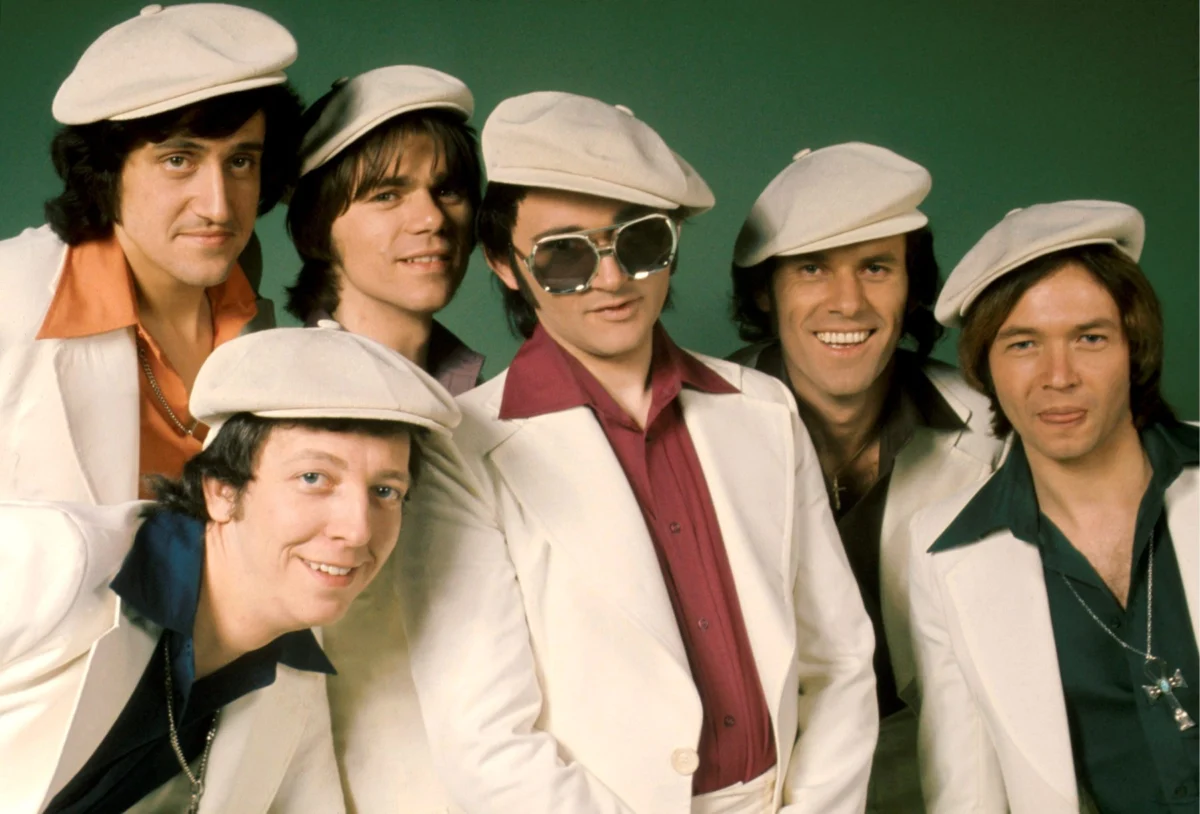
Tony Thorpe, a pivotal guitarist and vocalist whose contributions were instrumental in propelling the English glam-rock group The Rubettes to international acclaim during the vibrant music scene of the 1970s, has passed away at the age of 80. His departure marks the end of an era for the band, leaving behind a legacy of catchy melodies and enduring hits that continue to resonate with music enthusiasts decades later.
A Founding Member of a Glam-Rock Phenomenon
Thorpe’s passing was formally announced via a heartfelt statement shared on his official Facebook page, a platform that served as a direct conduit to his extensive fan base and the wider music community. The tribute eloquently remembered him not just as a musician, but as a cherished family man and a respected figure among his peers. "A father to Clay, a husband to Shirle, a friend to many, and a mentor to countless musicians young and old," the statement read, underscoring the multifaceted nature of his life beyond the stage. It further elaborated on his enduring spirit, noting that even in his final months, amidst declining health, "his fierce intellect and sharp sense of humour" remained undimmed. The profound impact of his absence was poignantly captured, with the announcement concluding that he would leave "an unfillable hole in the lives of all who knew him, or his music."
The Rubettes, formed in 1973, emerged as a distinctive force in the latter stages of the glam-rock movement. Their sound was characterized by an innovative fusion of 1950s-inspired doo-wop harmonies seamlessly interwoven with contemporary pop-rock sensibilities. Adopting an iconic visual aesthetic of crisp white suits and cloth caps, the band quickly captured the public’s imagination. Their breakthrough arrived with the infectious single "Sugar Baby Love." The song’s remarkable success saw it ascend to the pinnacle of the U.K. singles chart, where it held the coveted number one position for an impressive four weeks in 1974. Crucially, the track also made significant inroads into the American market, reaching No. 37 on the prestigious Billboard Hot 100 chart and introducing The Rubettes to a global audience. This initial triumph paved the way for a string of subsequent international hits, including enduring fan favorites such as "Tonight," "Juke Box Jive," and "I Can Do It," solidifying their place in the annals of pop music history.
Thorpe’s Musical Journey and Contributions
Tony Thorpe officially joined The Rubettes’ classic lineup in 1974, a period when the band was solidifying its international presence. He brought his considerable talents as both a lead guitarist and a gifted songwriter to the ensemble. His distinctive guitar work provided a vital texture and energy to their recordings, while his songwriting contributions enriched their catalog with memorable hooks and relatable lyrics. Beyond his instrumental prowess, Thorpe also lent his vocal talents to the group, notably taking the lead on the band’s single "Baby I Know," showcasing his versatility as a performer.
Thorpe’s tenure with The Rubettes concluded in 1979, but his active engagement with the music world continued unabated. His career was marked by a sustained commitment to musical exploration and collaboration. Prior to and following his time with The Rubettes, Thorpe lent his talents to a variety of musical projects, working with established artists such as Cilla Black and Tommy Steele, demonstrating the breadth of his musical appeal and his ability to adapt across different genres and performance styles. His passion for music extended beyond performance; he also dedicated time to nurturing emerging talent by teaching music at Blackburn College, a testament to his commitment to the next generation of musicians. In 2014, Thorpe further solidified his legacy by publishing his personal memoir, titled A Bride’s Nightie, offering readers a unique glimpse into his life and experiences.
Tributes and Reflections
Following the somber news of Thorpe’s death, Alan Williams, the frontman of The Rubettes, shared a deeply personal and touching tribute on the band’s official Facebook page. His words conveyed a profound sense of loss and a lasting appreciation for their shared musical journey. "Mercifully now at peace. Dear Tony, our paths having crossed but fleetingly during which time was conceived wondrous music and often hilariously memorable moments," Williams wrote. He continued to extol Thorpe’s artistic abilities, stating, "Your brilliance with the axe and the pen cannot be denied and remains with us, never forgotten. Rest now Cowboy." This sentiment was echoed by many within the music industry and among the band’s loyal following, highlighting the respect and affection Thorpe commanded.
While "Sugar Baby Love" undoubtedly remains The Rubettes’ most recognizable and signature hit, Thorpe’s multifaceted talents as a guitarist, songwriter, and vocalist played a crucial role in shaping the band’s distinctive sound throughout their career. His contributions were integral to the group’s sonic identity, adding layers of complexity and emotional depth to their music. The enduring appeal of The Rubettes’ catalog, even five decades after its creation, stands as a powerful testament to the collective talent and individual brilliance of its members, including Tony Thorpe. His work continues to inspire and entertain, a lasting legacy that transcends time and celebrates his significant contributions to the glam-rock genre and beyond.
The Rubettes: A Deeper Dive into Their Impact
The Rubettes’ success was not a fleeting moment in the music landscape. Their ability to blend nostalgia with contemporary appeal resonated with a broad audience. "Sugar Baby Love," with its distinctive falsetto vocals and driving rhythm, became an anthem of the era, capturing the playful and theatrical spirit of glam rock. The song’s chart dominance in the UK was a significant achievement, placing them alongside other major artists of the time. Its subsequent success on the Billboard Hot 100 indicated a growing international appetite for their unique brand of music.
The band’s visual presentation was as crucial to their identity as their music. The pristine white suits and flat caps created a memorable and instantly recognizable image. This deliberate aesthetic choice aligned perfectly with the theatricality and escapism that defined the glam-rock movement. It allowed them to stand out in a crowded music scene and forge a strong connection with their fans, who were drawn to the band’s energy and flamboyant style.
Thorpe’s role as a songwriter was particularly significant. He contributed to a body of work that went beyond their chart-topping hits. His lyrical contributions and melodic sensibilities helped to define the band’s sound, imbuing their songs with a sense of earnestness and youthful exuberance. The fact that he also took on lead vocal duties on "Baby I Know" demonstrated his confidence and versatility as a performer, further cementing his importance within the group’s dynamic.
The decision for Thorpe to leave The Rubettes in 1979, while a departure, did not signify an end to his musical endeavors. His continued involvement in various musical projects and his teaching career underscore a lifelong dedication to music. This commitment to sharing his knowledge and passion with others is a less heralded but equally valuable aspect of his legacy. The mentorship he provided to younger musicians undoubtedly had a ripple effect, contributing to the ongoing development of the music community.
The publication of his memoir, A Bride’s Nightie, provided a personal platform for Thorpe to share his life story and reflections on his career. Such memoirs often offer invaluable insights into the creative process, the challenges and triumphs of a life in music, and the personal experiences that shaped an artist’s journey. It serves as a permanent record of his perspective and his contributions.
Contextualizing Glam Rock and The Rubettes’ Place Within It
The 1970s was a transformative decade for popular music, with glam rock emerging as a dominant force in the early to mid-part of the decade. Spearheaded by artists like David Bowie, T. Rex, and Slade, glam rock was characterized by its embrace of theatricality, androgyny, flamboyant costumes, and catchy, often simplistic, song structures. It was a reaction against the perceived seriousness of earlier rock music and offered a more playful, escapist, and visually striking form of entertainment.
The Rubettes arrived on the scene in 1973, towards the tail end of the initial glam rock explosion. However, their ability to fuse the genre’s inherent showmanship with timeless pop sensibilities allowed them to carve out a unique niche. While other glam acts were often associated with edgier or more experimental sounds, The Rubettes leaned into a more accessible, pop-oriented approach, drawing inspiration from earlier eras of popular music. This blend of retro charm and modern flair proved to be a winning formula.
Their success, particularly with "Sugar Baby Love," demonstrated that the appeal of glam rock extended beyond its most outlandish manifestations. The song’s enduring popularity speaks to its strong melodic core and its ability to tap into a collective sense of nostalgia for a simpler, more optimistic era. The Rubettes managed to capture the essence of the 1950s – its innocence and its musical styles – and present it through a distinctly 1970s glam lens.
The band’s longevity, even after the peak of the glam rock era, can be attributed to their consistent output of well-crafted pop songs. While "Sugar Baby Love" was their biggest hit, tracks like "Tonight" and "Juke Box Jive" demonstrated their continued ability to produce infectious tunes that resonated with audiences. Thorpe’s contributions as a guitarist and songwriter were vital in maintaining this high standard of musicality.
Analyzing the Broader Impact and Implications
Tony Thorpe’s passing represents the loss of a significant figure in the history of British pop music. His work with The Rubettes contributed to a defining era of musical expression and left an indelible mark on the landscape of popular culture. The band’s success not only brought joy to millions of fans but also provided a platform for British music to achieve widespread international recognition.
The enduring legacy of The Rubettes, and by extension Tony Thorpe, lies in their ability to create music that is both historically significant and timeless in its appeal. Their songs continue to be played on radio, featured in films and television, and enjoyed by new generations of listeners. This enduring popularity is a testament to the quality of their songwriting and performance.
Furthermore, Thorpe’s dedication to teaching music signifies a commitment to fostering future talent. The impact of a dedicated educator can extend far beyond the classroom, shaping the careers and lives of numerous individuals. His influence, therefore, likely continues to be felt through the work of the musicians he mentored.
In conclusion, Tony Thorpe was more than just a guitarist; he was a songwriter, a vocalist, a mentor, and a beloved member of a band that brought a unique blend of nostalgia and exuberance to the music world. His passing is mourned by his family, former bandmates, and countless fans, but his musical contributions will continue to be celebrated for years to come. The echo of his guitar riffs and the melody of his songs will forever be a part of the rich tapestry of popular music history.