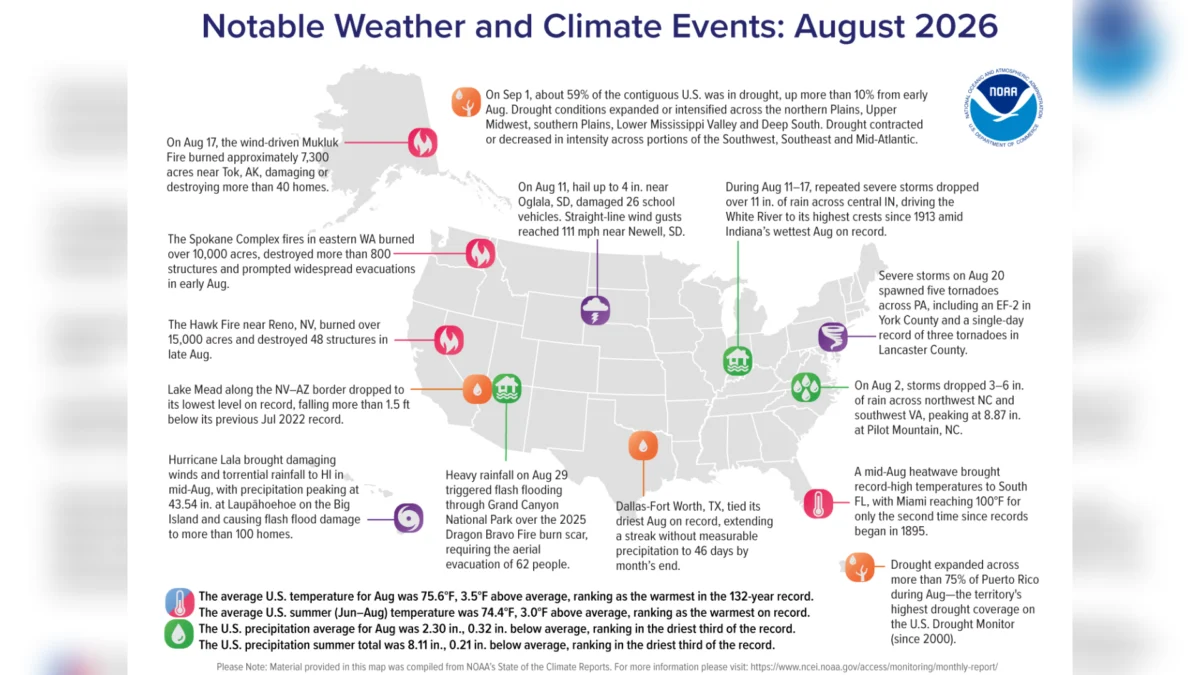
The summer of 2026 has officially entered the historical record books as the hottest ever documented across the contiguous United States in at least 132 years of comprehensive climate tracking. According to a comprehensive national climate report released by the National Oceanic and Atmospheric Administration (NOAA), the meteorological summer—spanning from June through August—shattered previous heat benchmarks by a wide margin. Temperatures across the lower 48 states rose to an unprecedented 3 degrees Fahrenheit (1.67 degrees Celsius) above the long-term 20th-century average, officially eclipsing the previous modern record set in 2021 by a staggering 0.4 degrees Fahrenheit (0.22 degrees Celsius).
The extreme seasonal anomaly was driven by a relentless sequence of scorching weather patterns that gripped nearly every corner of the country, culminating in an August that also ranked as the hottest single month of August in the historical climate archive. Beyond the blistering heat, the season was defined by severe hydrological extremes. More than half of the nation plunged into drought conditions by the close of August, while other regions wrestled with torrential precipitation and destructive natural disasters, highlighting a compounding convergence of climate-driven pressures.
A Closer Look at Regional Temperature Extremes
While the thermal anomaly was a nationwide phenomenon, the intensity of the heat was unevenly distributed, with specific geographical zones experiencing historic departures from seasonal norms. The contiguous U.S. full-summer average temperature reached 74.4 degrees Fahrenheit (23.5 degrees Celsius), well above the historical baseline. August alone surged to a sweltering national average of 75.6 degrees Fahrenheit (24.2 degrees Celsius)—an astounding 3.5 degrees Fahrenheit (1.94 degrees Celsius) above the multi-decade monthly average.
Regions bearing the brunt of this thermal punishment included the American Southwest, the southern Rocky Mountains, the southwestern Plains, and southern Florida, alongside coastal and inland stretches of California, Nevada, New Mexico, and Colorado. In these areas, prolonged heat domes trapped stagnant warm air for weeks on end, pushing daily maximum temperatures well past historical thresholds. Infrastructure in urban centers strained under the continuous load of air-conditioning demand, while agricultural sectors reported severe heat stress in crops livestock alike.
The Paradox of Precipitation: Historic Droughts and Sudden Floods
Compounding the meteorological crisis was a severe deficit in national precipitation. Total rainfall and snowfall equivalents across the contiguous U.S. averaged 0.32 inches (0.8 centimeters) below the historical norm, cementing the summer of 2026 as the third-driest summer on record and the lowest precipitation total recorded since the year 2000.
By September 1, approximately 59.1% of the country was entrenched in drought conditions. The dry spell exerted a severe grip across the American West, the upper Midwest, and the Deep South. The agricultural heartland and pastoral lands watched soil moisture evaporate rapidly under the merciless sun. Insular territories were similarly battered; over 75% of Puerto Rico suffered under drought conditions, with an alarming 40% categorized as experiencing "extreme drought."
Conversely, the national moisture balance was characterized by severe volatility rather than simple dryness. While large swaths of the continent parched, other regions faced severe flooding and torrential downpours. This whiplash between extreme precipitation highs and lows underscored a disrupted hydrological cycle, where a warmer atmosphere holds significantly more moisture, leading to intense, localized deluges when storms do form.
A Month of Natural Disasters: August 2026 in Review
The culmination of these climatic pressures played out vividly during the final month of the season. August 2026 served as a case study in compound natural disasters, featuring a litany of extreme weather events that stretched emergency management resources to their limits.
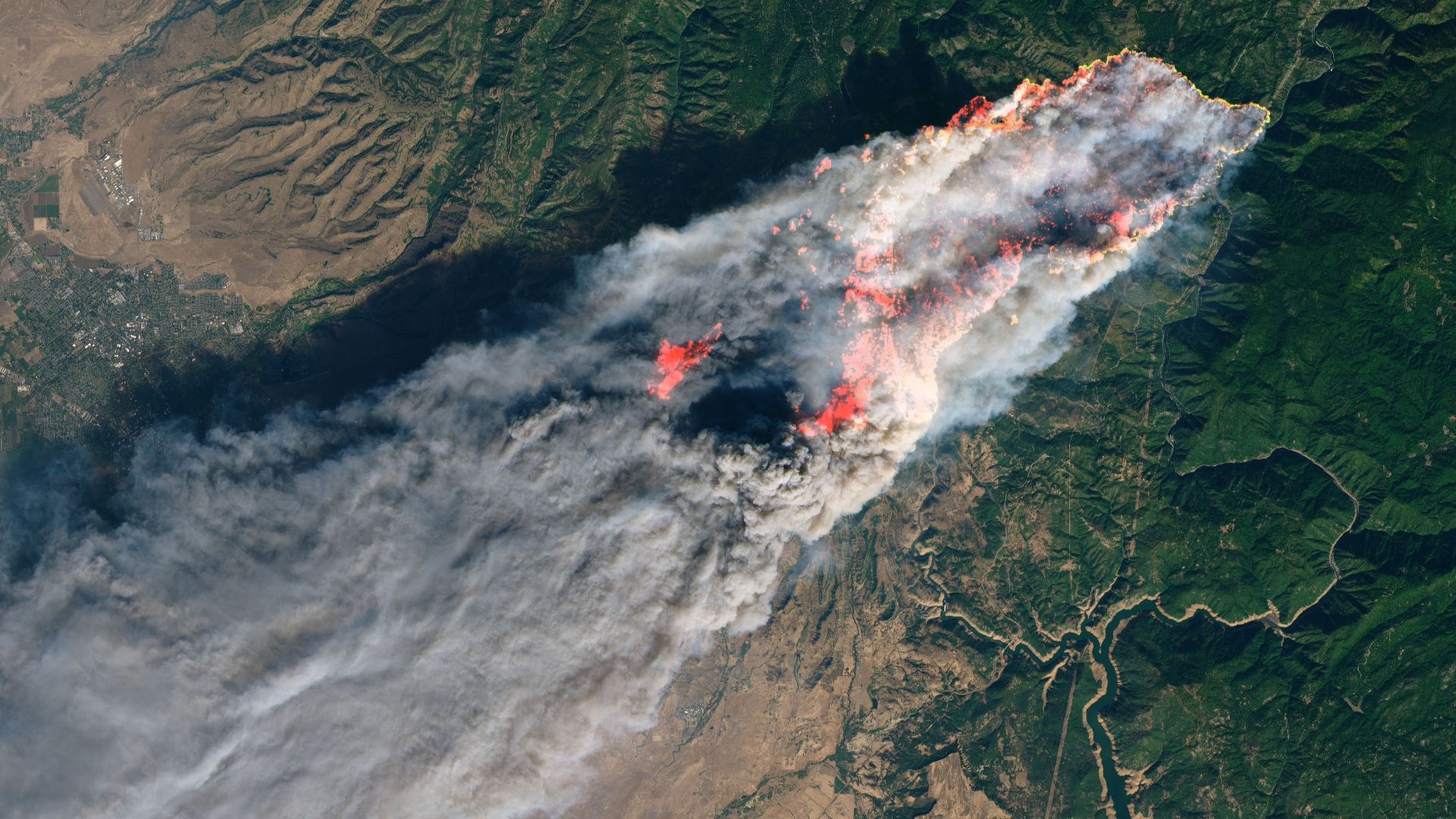
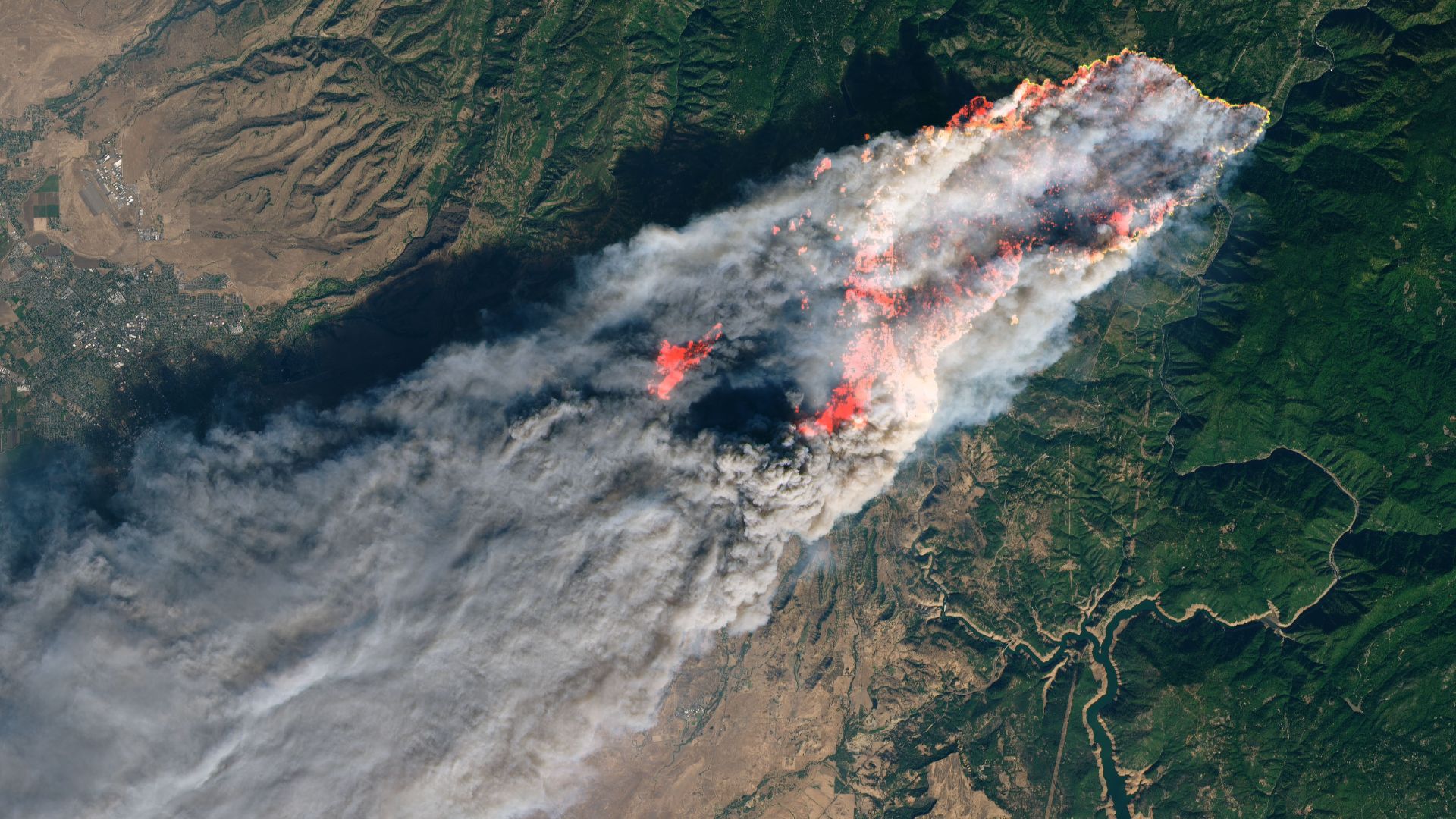
In the Pacific Northwest, explosive wildfires erupted across eastern Washington, scorching more than 10,000 acres before pushing across state lines into Oregon. Concurrently, fast-moving blazes ignited across parched landscapes in Nevada and Alaska, generating towering plumes of smoke that degraded air quality across vast regions.
Wind was another weapon in the atmosphere’s arsenal. South Dakota experienced terrifying meteorological conditions as severe straight-line wind gusts whipped across the plains at speeds reaching up to 111 miles per hour (178.6 kilometers per hour), uprooting trees, downing power lines, and structural damage. In the tropics, Hurricane Lala churned toward the Pacific, bringing punishing winds, torrential rainfall, and destructive coastal flooding to Hawaii. Meanwhile, an unyielding heatwave continued to bake southern Florida, keeping heat advisories in place day after day.
The Broader Context of Global Climate Change
Climatologists emphasize that the records set during the summer of 2026 do not occur in a vacuum. They represent the visible, measurable progression of global climate change driven primarily by anthropogenic greenhouse gas emissions. The accumulation of carbon dioxide, methane, and other heat-trapping gases from industrial manufacturing, transportation, and energy production continues to warm the planet’s lower troposphere and oceans.
The consequences of this planetary warming are far-reaching and systemic. Beyond terrestrial heatwaves, scientists point to accelerated melting of Arctic and sub-polar glaciers—such as significant floating ice loss documented in Greenland—alongside rising global sea levels that threaten coastal communities worldwide. As baseline temperatures climb, the statistical probability and severity of extreme weather events—including prolonged droughts, intense hurricanes, catastrophic flooding, and fast-spreading wildfires—increase exponentially.
Implications and Future Projections
The immediate fallout from the summer of 2026 extends well into the autumn months. NOAA’s outlook indicates that large portions of the country currently gripped by drought will see dry conditions persist, elevating the risk of extended wildfire seasons well past the traditional summer window. Forest management and firefighting agencies are being forced to adapt to a year-round fire paradigm, where winter snowpacks melt earlier and autumn rains arrive later.
For policymakers, agricultural planners, and urban infrastructure developers, the data from NOAA serves as an urgent call to action. The economic and human toll of a 3-degree Fahrenheit seasonal temperature anomaly underscores the necessity of aggressive climate mitigation strategies and robust adaptation planning. As global emissions continue to influence the earth-atmosphere system, the extreme climate milestones of 2026 may well serve as a baseline preview of future climate realities, reinforcing the global imperative to transition toward sustainable, low-carbon economies.