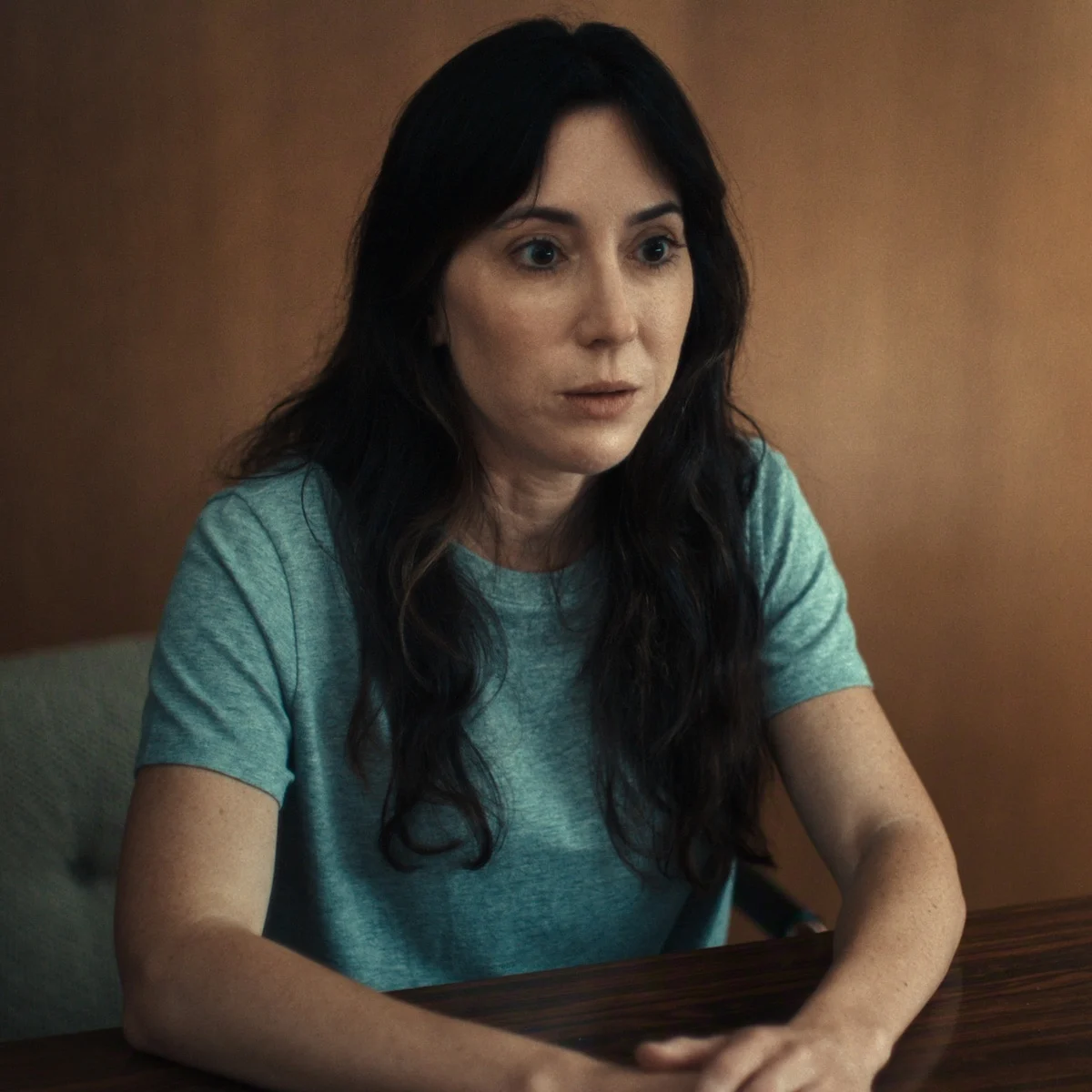
The compelling narrative of Michelle Hadley’s wrongful accusation, arrest, and subsequent exoneration, as detailed in Netflix’s documentary "A Toxic Love Story," serves as a stark reminder of the devastating consequences of fabricated accusations and the complex labyrinth of the justice system. This intricate case, initially presented as a stalking and attempted sexual assault plot against a pregnant woman, unraveled to reveal a calculated scheme orchestrated by those closest to the alleged victim, ultimately ensnaring an innocent woman and shaking the foundations of trust in law enforcement and personal relationships.
The Genesis of a False Accusation
The saga began in 2016 with Michelle Hadley, then 29, a resident of Anaheim, California. Hadley had been engaged to Ian Diaz, a U.S. Marshal. Their relationship, which had progressed to jointly purchasing a condo in June 2015, soured and ended in August of the same year, with Hadley moving out. In the aftermath of their breakup, Hadley admitted to sending a few emotionally charged emails to Diaz, one of which stated, "Get ready, the truth is coming. God’s law is above all laws, including the law of man… Lilith." These emails, fueled by the acrimony of a failed engagement, would later become a crucial element in the fabricated narrative.
Shortly after Hadley’s departure, Diaz met Angela Connell at a Starbucks in Anaheim in January 2016. Describing Connell as "everything I ever wanted in a woman," Diaz married her the following month. Connell then moved into the condo Diaz had previously shared with Hadley, a detail that would prove to be a significant catalyst in the ensuing events.
Escalation and Arrest: A False Narrative Takes Hold
The conflict escalated in June 2016 when Connell filed a police report alleging she was receiving ominous emails from an individual identifying as "Lilithistruth." These emails, according to Connell, who claimed to be pregnant with twins, accused her of stealing someone’s "treasured home" and stated she was being watched. When questioned by police, both Connell and Diaz pointed fingers at Michelle Hadley as the likely sender.
The situation intensified later that month when Connell and Diaz informed the Anaheim Police Department that a Craigslist account had been created using Connell’s photographs. This account, they claimed, had responded to an advertisement seeking participants for a rape fantasy encounter. The situation reached a fever pitch on June 24, 2016, when Connell reported to 911 that she had been attacked in their garage. In a recording of the emergency call, Connell audibly recounted being "shoved against the wall, choked and told I’m gonna f–king get it and it’s time for me to get raped." Following this report, Hadley was arrested that same night.
Despite her protests of innocence, Hadley was charged with 10 felony counts, including attempted rape, and was held on $1 million bail. Her attorney, Michael Guisti, later lamented that "nobody listened" to her pleas. The ordeal took a further turn when, on July 14, a 17-year-old boy arrived at Diaz and Connell’s home in response to the Craigslist ad, leading to Hadley’s re-arrest.
The Unraveling of the Deception
The initial narrative began to fray when Diaz, following Hadley’s arrest, informed the police that he had discovered Connell was not, in fact, pregnant. His dawning realization of deception was captured in a recorded interview where he stated, "I can’t believe this is happening. I feel like a f–king idiot." Their marriage was subsequently annulled in April 2017.
Simultaneously, investigators, meticulously piecing together the digital breadcrumbs, determined that Connell had orchestrated the entire scheme. According to Orange County prosecutors, she had sent the threatening emails to herself and solicited the Craigslist encounters using sophisticated methods such as VPNs and third-party proxy servers. This evidence provided the crucial counter-narrative, revealing Hadley as an innocent victim of a "diabolical scheme."
The turning point for Hadley’s exoneration came in October 2016 when she was released from jail. The charges against her were officially dropped in January 2017. The Orange County District Attorney at the time, Tony Rackauckas, characterized Hadley as an "innocent victim of a diabolical scheme."
Angela Connell’s Downfall: A Pattern of Deception
Following Hadley’s exoneration, the focus shifted to Angela Connell. Arrested in January 2017, Orange County Deputy District Attorney Richard Zimmer branded her a "serial con artist." Investigations revealed a disturbing pattern of deceit; Connell had a history of fabricating personal crises, including previously faking cancer and falsely claiming to be a lawyer.
In October 2017, Connell pleaded guilty to 10 felony charges, encompassing kidnapping, false imprisonment, perjury, and forgery. She also admitted to 21 misdemeanor counts of falsely reporting a crime to a peace officer. Her sentencing reflected the gravity of her actions, with Orange County D.A. Tony Rackauckas noting at the time that Connell showed "no remorse, compassion, or empathy for the victim." Connell was sentenced to five years in prison. The documentary notes that she has since relocated from California and declined to participate in "A Toxic Love Story."
Ian Diaz’s Complicity: The U.S. Marshal’s Betrayal
The most shocking revelation, however, was the extent of Ian Diaz’s involvement. As a U.S. Marshal, his position of authority and trust made his complicity particularly egregious. The Department of Justice, upon realizing the potential involvement of one of its own, launched its own investigation.
DOJ Special Agent Jason Higley detailed in the documentary how the cyber investigation team uncovered irrefutable evidence of Diaz’s conspiracy with Connell to frame Hadley. The "final nail in the coffin," according to Higley, was the discovery of "fragments of a ‘Lilithistruth’ email" on Diaz’s DOJ laptop. This discovery confirmed that Diaz had been actively involved in the digital impersonations, creating a complex web of deceit where he was "pretending to be Michelle, pretending to be Angela, catfishing someone to the condo."
When law enforcement began to suspect Hadley’s innocence, Diaz, in a calculated move, attempted to shift the blame entirely onto Connell. His betrayal extended to manipulating the investigation and obstructing justice.
Diaz was arrested on May 13, 2021. Despite pleading not guilty, he was convicted by a federal jury in March 2023 on charges of conspiracy to commit cyberstalking, cyberstalking, perjury, and obstruction of a federal matter. The Department of Justice press release highlighted his conviction for these serious offenses.
Sentencing and Aftermath
On June 30, 2023, Ian Diaz was sentenced to 10 years in federal prison, followed by three years of supervised release. According to federal inmate records, he is currently serving his sentence at FMC Fort Worth in Texas, with a projected release date of January 31, 2031. The sentencing represents a significant consequence for his betrayal of public trust and his role in a malicious scheme that nearly destroyed an innocent woman’s life.
Michelle Hadley’s Resilience and Quest for Justice
The ordeal had a profound impact on Michelle Hadley. In 2017, she filed a lawsuit against the city of Anaheim, seeking damages for the paranoia and anxiety she endured as a result of her wrongful arrest and incarceration. In 2021, the city settled the lawsuit for an undisclosed sum. A spokesperson for the city stated at the time, "We are glad to see this case come to a close so all involved can move forward."
Prior to her life being upended, Hadley was pursuing an MBA at Chapman University. Despite the immense trauma, she demonstrated remarkable resilience. She eventually returned to her studies, resumed her career, and began dating again. In a poignant testament to her strength and the ultimate triumph of justice, Hadley gave birth to her daughter on the very same day Ian Diaz was convicted. She described this as her "fairy tale ending," emphasizing the profound joy of raising her child and reclaiming her life.
Broader Implications and Lessons Learned
The case of Michelle Hadley, Ian Diaz, and Angela Connell, as vividly portrayed in "A Toxic Love Story," offers critical insights into the vulnerabilities of the justice system and the devastating power of malicious intent.
-
The Perils of Digital Deception: The case underscores the increasing sophistication of cybercrimes and the ease with which individuals can create false identities and manipulate online platforms to achieve nefarious goals. The use of VPNs and proxy servers by Connell highlights the technical expertise that can be employed to evade detection.
-
The Importance of Due Diligence: While law enforcement agencies strive for justice, this case suggests the need for continuous scrutiny and a willingness to re-evaluate evidence, especially when initial accusations appear to be based on a seemingly cohesive but ultimately fabricated narrative. The police bodycam footage, while capturing the outrage of the accusers, also hints at the intensity of their conviction, which may have initially overshadowed thorough independent verification.
-
The Psychological Impact of False Accusations: Hadley’s lawsuit and her personal reflections in the documentary highlight the severe and lasting psychological toll that wrongful accusations and incarceration can have on individuals. The paranoia, anxiety, and disruption to personal and professional lives are often immeasurable.
-
The Corrosive Nature of Revenge and Deception: The motivations behind the scheme, particularly Diaz’s alleged desire to retain the condo, point to the destructive power of greed and a desire to control outcomes through deceit. The entanglement of personal relationships with criminal activity created a toxic environment with far-reaching consequences.
-
The Role of Media in Justice: Documentaries like "A Toxic Love Story" play a vital role in bringing such cases to public attention, fostering a greater understanding of the complexities of the legal system and serving as a cautionary tale. By shedding light on Hadley’s ordeal and eventual vindication, the film contributes to a broader societal dialogue about accountability and the pursuit of truth.
The story of Michelle Hadley is a testament to the resilience of the human spirit in the face of profound injustice. It is a narrative that serves as a potent reminder of the critical need for vigilance, thorough investigation, and an unwavering commitment to truth in the pursuit of justice.