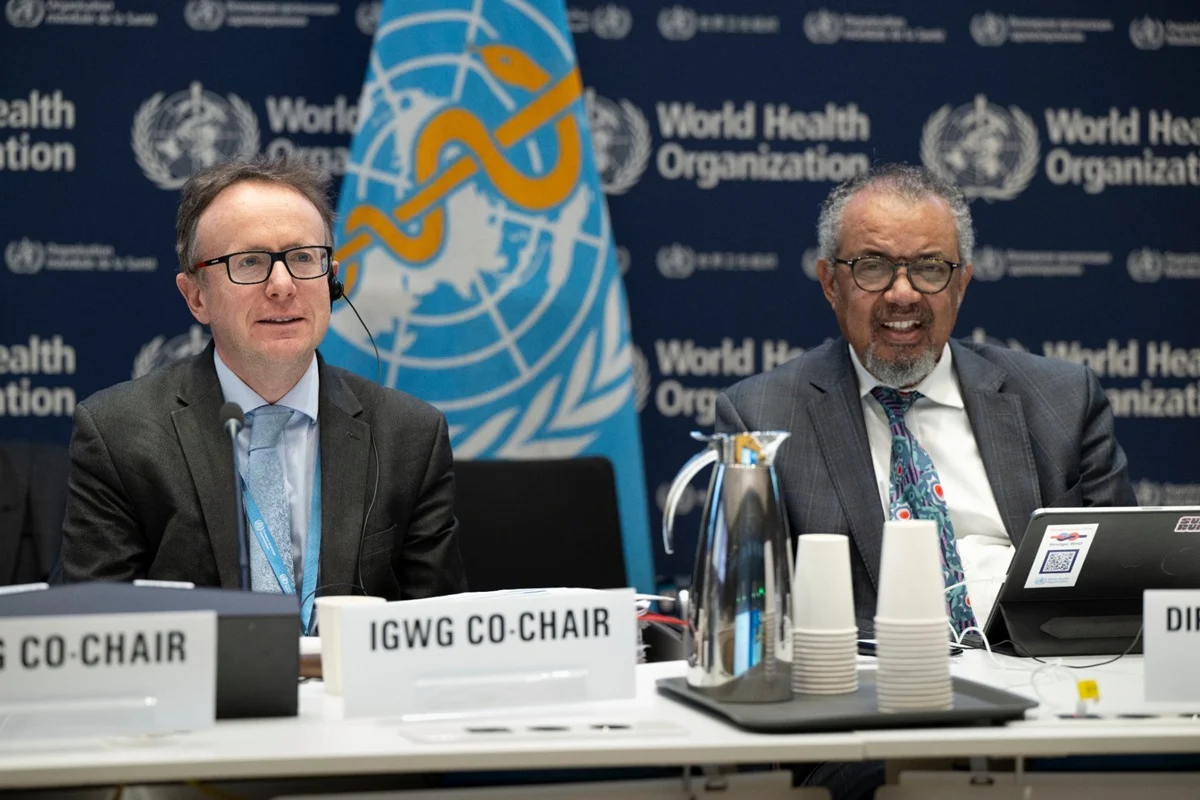
Geneva – World Health Organization (WHO) Member States have reached a consensus to extend critical negotiations on the Pathogen Access and Benefit Sharing (PABS) annex, a cornerstone of the proposed WHO Pandemic Agreement. This crucial decision signals a continued commitment to solidifying global frameworks for equitable pandemic response, with further discussions slated for late April, preceding the World Health Assembly (WHA) in May.
The decision to extend the negotiation period from April 27th to May 1st, following informal intersessional discussions, underscores the dedication of WHO Member States to finalizing the PABS annex. This component is considered vital to the overarching WHO Pandemic Agreement, a landmark initiative adopted last year to address systemic weaknesses identified during the COVID-19 pandemic. The agreement aims to bolster international cooperation and ensure greater equity in the global approach to preventing, preparing for, and responding to future health emergencies.
The imperative for such an agreement was starkly highlighted by the unprecedented global disruption caused by COVID-19, which exposed significant disparities in access to essential medical countermeasures, including vaccines, diagnostics, and therapeutics. The PABS annex, in particular, seeks to establish a robust mechanism for the swift and transparent sharing of pathogens with pandemic potential, coupled with the fair and equitable distribution of benefits derived from their utilization.
Dr. Tedros Adhanom Ghebreyesus, WHO Director-General, emphasized the pivotal role of the PABS system, stating, "The Pathogen Access and Benefit Sharing system lies at the heart of the WHO Pandemic Agreement, and I thank WHO Member States for their commitment to work to bring it to life. I urge all delegations to believe in the power of trust – trust in one another, in our institutions, and in our shared ability to transcend differences for the common public good, for solidarity and for equity." His remarks underscore the diplomatic challenge and the profound ethical considerations at play in these negotiations.
The PABS annex is envisioned to operate on the principle of equal footing, ensuring that the rapid sharing of pathogens with pandemic potential is intrinsically linked to the equitable distribution of benefits stemming from their use. This includes ensuring that developing nations and low-resource settings have timely access to life-saving vaccines, critical diagnostic tools, and effective treatments, thereby addressing historical inequities in global health.
Ambassador Tovar da Silva Nunes of Brazil, Co-Chair of the Intergovernmental Negotiating Body (IGWG) Bureau, expressed optimism regarding the ongoing efforts. "Member State negotiators are working intensively towards having an ambitious and equitable Pathogen Access and Benefits Sharing annex ready for adoption at the World Health Assembly in May," he stated, reflecting the collective drive to achieve a meaningful outcome.
A Chronology of Intensified Negotiations
The recent extension of negotiations follows a week of intensive deliberations under the auspices of the Intergovernmental Working Group (IGWG) on the WHO Pandemic Agreement. These discussions have delved into a complex array of interconnected issues that are fundamental to the operationalization of the PABS framework. Key areas of focus have included:
- Defining and Distributing Benefits: Negotiators have grappled with establishing clear criteria for what constitutes a "benefit" derived from pathogen sharing and how these benefits should be allocated, ensuring a broad and inclusive approach. This involves considering financial returns, technology transfer, capacity building, and preferential access to medical products.
- Contractual Arrangements: The nature and scope of contractual agreements underpinning the PABS system have been a significant point of discussion. This includes determining the legal frameworks, dispute resolution mechanisms, and enforcement provisions necessary to ensure compliance and accountability.
- Governance and Oversight: Establishing effective governance structures for the PABS system is paramount. This encompasses defining the roles and responsibilities of various stakeholders, ensuring transparency in decision-making processes, and creating mechanisms for independent oversight to uphold the public interest.
Mr. Matthew Harpur of the United Kingdom, also serving as an IGWG Bureau Co-Chair, acknowledged the progress made. "With less than two months until the World Health Assembly in May, I welcome the commitment shown this week by Member States towards finding consensus on outstanding areas in the Pathogen Access and Benefit Sharing system," he remarked. He also highlighted the constructive engagement observed, while recognizing that additional time is indeed required to bridge remaining differences.
The Context: Lessons from COVID-19 and the Genesis of the Pandemic Agreement
The push for a comprehensive pandemic treaty, including the PABS annex, is a direct response to the profound lessons learned from the COVID-19 pandemic. The global health crisis exposed stark disparities in the capacity of nations to detect, respond to, and recover from a widespread outbreak.
- Unequal Access to Vaccines: During the initial rollout of COVID-19 vaccines, wealthy nations secured the vast majority of early supplies, leaving many lower-income countries with prolonged waits and limited access. This highlighted the need for a more equitable system of access and benefit sharing.
- Data and Pathogen Sharing Delays: In the early stages of the pandemic, there were documented instances of delays in sharing critical genomic data and pathogen samples, which potentially hampered the rapid development of diagnostics and treatments.
- Fragmented Global Response: The COVID-19 pandemic also revealed the limitations of existing international health regulations and the need for a more unified and coordinated global response mechanism.
The WHO Pandemic Agreement, therefore, aims to create a legally binding instrument that strengthens the global architecture for pandemic preparedness and response. It seeks to foster greater solidarity, enhance surveillance and early warning systems, and ensure equitable access to essential medical countermeasures.
Supporting Data and the Rationale for PABS
The rationale behind the PABS annex is underpinned by several key considerations, often supported by data from previous public health emergencies:
- Economic Impact of Pandemics: Studies by organizations like the World Bank and the International Monetary Fund have consistently shown that pandemics can inflict devastating economic losses, with some estimates suggesting that a severe pandemic could cost the global economy trillions of dollars. Equitable access to countermeasures is seen as a crucial factor in mitigating these economic impacts by enabling a faster return to normalcy.
- Disease Burden and Mortality: The COVID-19 pandemic resulted in millions of deaths globally. The PABS mechanism aims to reduce this burden by ensuring that life-saving interventions are accessible to all, regardless of a country’s economic status.
- Research and Development Investment: The development of vaccines, diagnostics, and therapeutics often relies on genetic material and data derived from pathogens. The PABS framework seeks to ensure that those who contribute to this global pool of information and biological samples are appropriately recognized and benefit from the innovations that arise. This can incentivize greater participation in research and surveillance efforts.
Reactions and the Path Forward
The ongoing negotiations have garnered attention from a wide range of stakeholders, including public health experts, civil society organizations, and pharmaceutical companies. While the overarching goal of enhanced pandemic preparedness is widely supported, specific details within the PABS annex have been subject to robust debate.
- Civil Society Advocacy: Many non-governmental organizations and public health advocates have been vocal in their calls for a PABS system that prioritizes public health over commercial interests, advocating for mandatory sharing of pathogens and equitable benefit distribution to ensure that no one is left behind.
- Industry Perspectives: Representatives from the pharmaceutical and biotechnology sectors have often emphasized the importance of intellectual property rights and the need for incentives to drive innovation and investment in research and development. Negotiations often involve finding a balance between these commercial considerations and the public health imperative.
- Scientific Community Input: The scientific community has consistently stressed the importance of open data sharing and rapid access to pathogens for research purposes, highlighting how such collaboration was instrumental in understanding and responding to COVID-19.
The reaffirmation of commitment by Member States to solidarity, multilateralism, and the shared goal of a safer and more equitable world in the face of future pandemics is a positive indicator. However, the coming weeks will be critical as negotiators work to bridge remaining divides and finalize a text that can be presented to the World Health Assembly. The success of the PABS annex, and indeed the broader Pandemic Agreement, will depend on the ability of nations to find common ground and to translate aspirations into concrete, actionable mechanisms that strengthen global health security for all. The extended negotiation period provides a vital opportunity to achieve this ambitious, yet essential, objective.