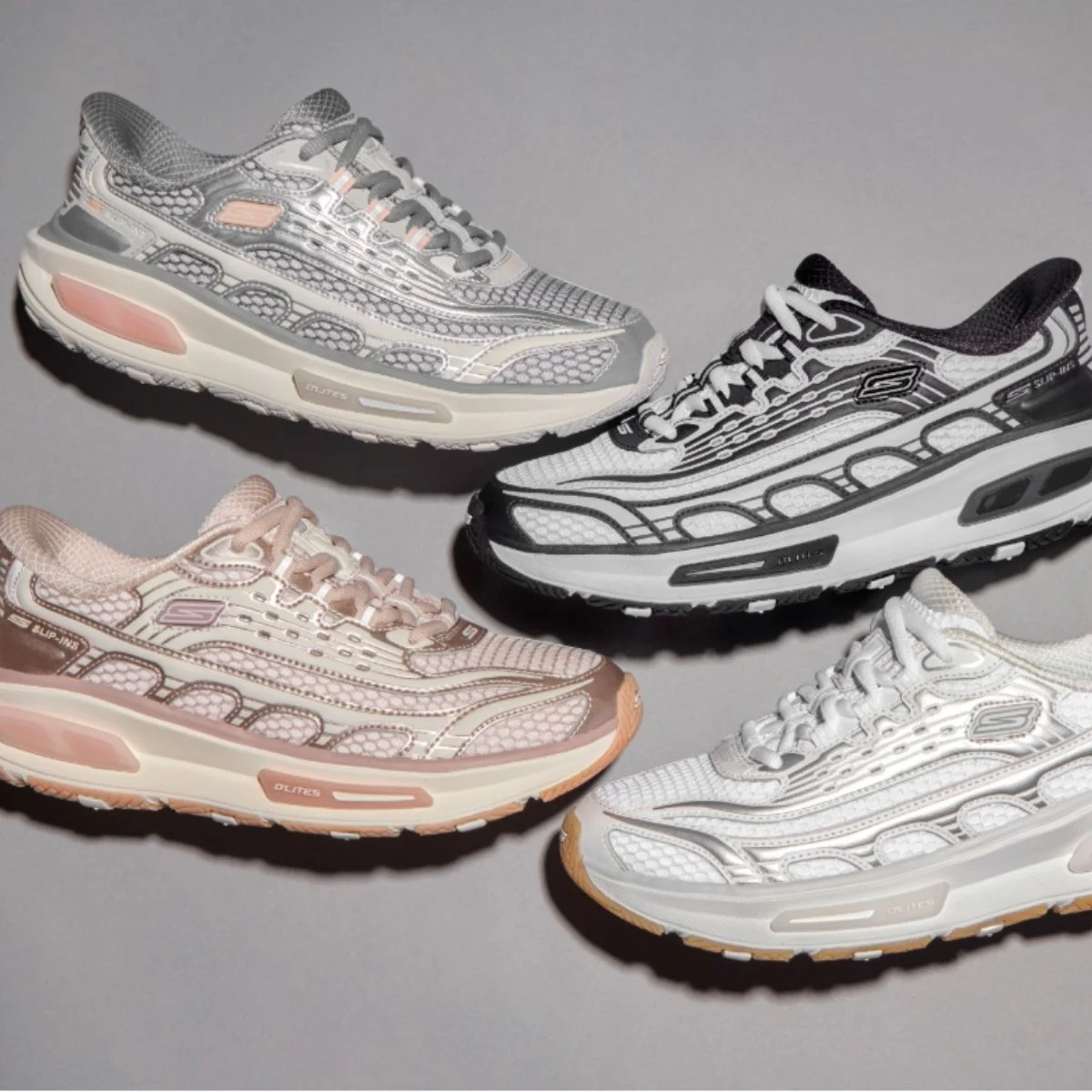
The global footwear industry has long been dominated by high-end athletic giants, heritage running brands, and fast-moving fashion trends that often prioritize aesthetic appeal over biomechanical support. For decades, legacy brands such as Nike, Adidas, and New Balance captured the imagination of consumers through high-profile athlete endorsements, limited-edition streetwear collaborations, and cultural cachet. However, a quiet shift has been taking place in consumer habits, driven largely by the realities of high-mileage urban commuting, grueling theme park vacations, and an increasing emphasis on podiatric health. At the center of this paradigm shift is Skechers, a brand that historically faced skepticism regarding its fashion credibility but is now receiving a widespread reassessment for its engineering, affordability, and unmatched all-day comfort.
The Anatomy of Foot Fatigue: A Modern Dilemma
To understand the resurgence of comfort-first footwear, one must examine the physical demands placed on the human foot in contemporary life. Urban professionals, travelers, and service industry workers routinely log thousands of steps per day on unforgiving surfaces such as concrete, asphalt, and commercial tile. According to podiatric studies, walking just 10,000 steps—roughly five miles—subjects the feet to cumulative forces equivalent to hundreds of tons of pressure.
When consumers opt for flat lifestyle sneakers, minimalist fashion shoes, or improperly fitted running shoes, this repetitive impact is transmitted directly to the heel, arch, and metatarsal bones. Common consequences include plantar fasciitis, severe heel bruising, tendonitis, and debilitating blisters. The realization that style does not have to come at the expense of physical well-being has forced a cultural reckoning among consumers who are tired of nursing sore feet after a day of sightseeing or working long shifts.
From Theme Park Trials to Everyday Validation
The tipping point for many skeptical consumers often occurs in high-stress, high-mileage environments where footwear failure carries immediate consequences. Theme parks, particularly sprawling entertainment complexes like Walt Disney World, have effectively become rigorous testing laboratories for walking shoes. Visitors routinely traverse eight to twelve hours of continuous standing and walking, pushing footwear technology to its absolute limits.
Anecdotal and consumer reporting frequently highlight the contrast between traditional fashion sneakers and purpose-built comfort shoes during these marathon outings. While trendy retro runners or flat-soled canvas shoes may look appealing for morning photographs, they frequently result in acute discomfort by early afternoon. Conversely, footwear engineered specifically for shock absorption and arch support—qualities long championed by Skechers—demonstrates superior endurance. Consumers who previously dismissed the brand due to stylistic biases have reported completing multi-day theme park itineraries entirely free of aches, blisters, or joint strain, prompting a broader reappraisal of what constitutes valuable footwear.
Technological Innovations Driving Comfort
The transformation of Skechers from a budget-friendly alternative into a serious contender in the comfort footwear market is the result of sustained investment in proprietary material science and ergonomic design. Modern Skechers lineups incorporate several distinct technological advancements aimed at reducing foot fatigue:
- Cooling Memory Foam and Air-Cooled Insoles: Traditional foam insoles trap heat and moisture, leading to friction and blisters. Skechers has integrated open-cell memory foam and breathable mesh layers that promote continuous airflow, keeping the foot environment cool and dry during extended wear.
- Arch Fit Technology: Developed with data collected over twenty years and backed by podiatrist insights, these removable, supportive insoles distribute pressure across the arch area, providing structural integrity similar to custom orthotics.
- Hands-Free Slip-ins Technology: Incorporating a rigid, molded heel counter known as the Heel Pillow, this design allows wearers to step directly into the shoe without bending down or using a shoehorn, while securely locking the heel in place to prevent slippage.
- Max Cushioning and Hyper Burst Midsoes: Utilizing high-rebound, lightweight ethylene-vinyl acetate (EVA) compounds and nitrogen-infused foam, these responsive midsoles absorb heavy impact forces while returning energy with every step, facilitating a smooth heel-to-toe transition.
Market Positioning and Affordability
Another critical factor in the reevaluation of Skechers is its pricing strategy relative to competitors. While premium running and lifestyle brands frequently price technical or trendy footwear well above the $130 to $200 threshold, the majority of Skechers inventory remains accessible below $100.
This pricing model democratizes access to podiatric-approved comfort. By offering features that rival high-end athletic brands—such as carbon-infused plates, specialized rocker bottoms, and advanced cushioning systems—at a fraction of the cost, the company has carved out a dominant position among value-conscious consumers who refuse to compromise on joint health.
Key Footwear Lines and Their Specialized Applications
The modern Skechers catalog is expansive, catering to distinct consumer needs ranging from high-intensity walking to professional work environments and lifestyle fashion:
Skechers Slip-ins: GO WALK Now
Designed specifically for daily fitness walking and urban commuting, this line features flexible, yoga mat-inspired cushioning. The responsive insole minimizes joint pressure, while the integrated Heel Pillow secures the foot without requiring manual adjustment.

Skechers Slip-ins: Skech-Gel
Positioned as a direct, budget-friendly alternative to high-end gel-cushioned running and lifestyle shoes, this model blends metallic accents and breathable mesh panels with robust midsole cushioning, appealing to consumers seeking a contemporary aesthetic combined with athletic-grade shock absorption.
Hotshot Varsity Crew Sneaker
Addressing the demand for trend-focused fashion shoes, this model utilizes a plush memory foam insole housed within a retro-inspired chocolate brown suede upper accented with cream details, proving that leisure footwear can maintain stylistic relevance without sacrificing plush interior comfort.
GO RUN Consistent Pro
Tailored for entry-level and intermediate runners, this under-$100 running shoe features high-rebound, lightweight cushioning designed to facilitate a smooth, efficient heel-to-toe takeoff accompanied by high-traction rubber outsoles for varied terrain.
Skechers Slip-ins: Arch Fit D’Lites 330
Capitalizing on the enduring popularity of chunky 2000s-inspired retro aesthetics, this sporty-chic model delivers podiatrist-certified arch support and a pillowed heel, bridging the gap between nostalgic fashion trends and orthopedic necessity.
Skechers Slip-ins: Hotshot HI
Featuring a chunky rubber sole profile and cooling memory foam insoles enclosed in a durable suede upper, this silhouette is optimized for everyday wear where elevated height and robust impact protection are desired.
Skechers Slip-ins: Max Cushioning Elite 3
Built for maximum shock attenuation, this vegan lace-up sneaker utilizes a breathable mesh upper paired with a thick, springy midsole. The high-traction rubber outsole ensures stability, making it an ideal choice for individuals who spend long hours standing on hard surfaces.
Skechers Slip-ins: Max Cushioning Arch Fit 2.0
Holder of the American Podiatric Medical Association (APMA) Seal of Acceptance, this model combines stabilizing rocker technology with targeted arch support, making it a primary recommendation for individuals managing chronic foot discomfort or plantar fasciitis.
Skechers Slip-ins: Glide-Step Pro
Utilizing a geometric midsole design, this stretch-laced model delivers continuous flexibility and adaptive cushioning, reducing the physical strain associated with high-step counts.
Industry Implications and Future Outlook
The broader consumer shift toward comfort-centric footwear reflects changing lifestyle priorities. As remote work, wellness culture, and active travel continue to influence consumer spending, the boundary between athletic performance gear and casual daily wear is increasingly blurred.
Major footwear brands are taking notice, reallocating research and development budgets toward comfort technology rather than relying solely on brand heritage or limited-edition scarcity. However, Skechers’ established dominance in the affordable comfort sector gives the brand a distinct competitive advantage. As aging populations, active travelers, and service workers increasingly prioritize foot health, the cultural bias against comfort-first brands is steadily evaporating.
Ultimately, the widespread realization that functional footwear can prevent chronic pain and enhance daily mobility marks a permanent maturation in consumer habits. Whether navigating the cobblestones of a historic European city, working a twelve-hour hospital shift, or logging thousands of steps at a theme park, consumers are discovering that practical, supportive engineering outweighs transient fashion trends—solidifying Skechers’ place as a modern footwear staple.