Alexandre Malval, the newly appointed head of Renault brand design, has officially unveiled his strategic vision for the French automaker, emphasizing a departure from conventional styling in favor of personality, audacity, and superior vehicle proportions. As Renault navigates a volatile automotive landscape defined by aggressive competition from Chinese manufacturers and a rapid transition to electrification, Malval is positioning the brand’s "voiture à vivre" (cars for life) philosophy as its primary competitive advantage.
The shift in design direction arrives at a pivotal moment for the Renault Group. Following years of restructuring under CEO Luca de Meo, the brand is now looking to solidify its identity in the lucrative mid-size C-segment. Malval, whose career includes significant tenures at both Audi and Mercedes-Benz, as well as a formative period at Citroën, brings a nuanced understanding of how to balance premium aesthetics with mass-market appeal.
A Strategic Pivot Toward Emotional Design
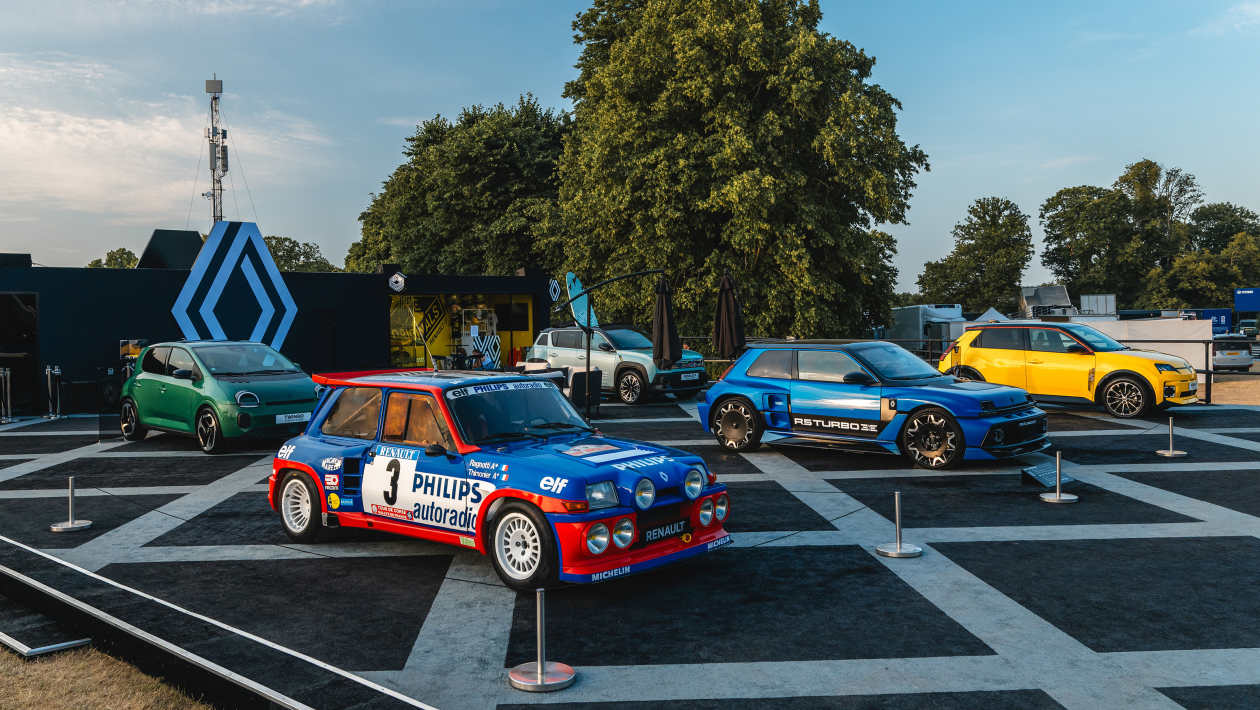
The core of Malval’s mandate involves revitalizing the aesthetic appeal of the Renault Rafale, Austral, and Scenic. While these models have served as the backbone of the company’s recent sales growth, Malval suggests that the next generation of these vehicles will move away from safe, conservative designs.
"We are digging into the DNA of the brand," Malval stated in a recent interview. "What is Renault, why is it appealing and different? ‘Voiture à vivre’ is a fantastic slogan and the main value of a company that speaks to everyone. It is affordable and accompanies families and couples through every stage of their lives."
This philosophy draws inspiration from Renault’s historical success with MPVs like the Espace and the original Scenic. These vehicles were defined by "crafted space"—a focus on interior versatility, ergonomics, and human-centric storage solutions. Malval intends to translate these values into the modern electric era, ensuring that technology serves the occupant rather than overwhelming the driving experience.

Timeline and Product Roadmap
The first public manifestation of Malval’s design language is expected to debut as a concept vehicle at the upcoming Paris Motor Show, potentially as early as October 2026. This concept will serve as a lighthouse for the design direction of the next generation of mid-size Renault vehicles.
While the production cars influenced by his direct leadership are roughly two years away from reaching showrooms, the design team is currently finalizing the proportions for the "RG EV Medium 2.0" platform. This architecture, which supports both rear-wheel and all-wheel-drive configurations, offers a new degree of design flexibility.
According to Malval, the internal collaboration between the engineering department and the design studio has been highly productive. "We have had a positive exchange with engineering in order to give the cars a great personality. It is ultimately a matter of cost, but I can manipulate the proportions—wheelbase, size of the wheels, track, and stance—as long as it makes sense for the brand’s identity."
The Challenge of the C-Segment
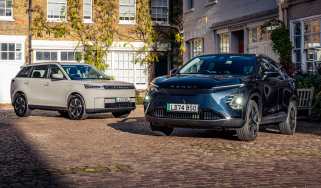
The C-segment remains the most fiercely contested market in Europe. Renault’s push into this segment is a strategic response to the shifting demographics of European car buyers, who are increasingly moving away from smaller hatchbacks toward crossovers and SUVs that offer greater practicality and status.
Renault’s reliance on the Austral and Rafale is critical to its financial health. By positioning these models with "audacious" design, the company hopes to command higher price points and combat the erosion of market share caused by the influx of Chinese brands, such as Omoda and Jaecoo, which are increasingly competitive in terms of both technology and depreciation profiles.
Malval’s approach is not to create a unified design language that turns all Renault models into identical "clones." Instead, he advocates for a segmented approach. "We won’t put the same ingredients in each vehicle," he noted. "We have the classic icons and the core models. Some will be slightly more sporty, while others will remain true to the ‘voiture à vivre’ spirit."
Historical Context and Brand Heritage
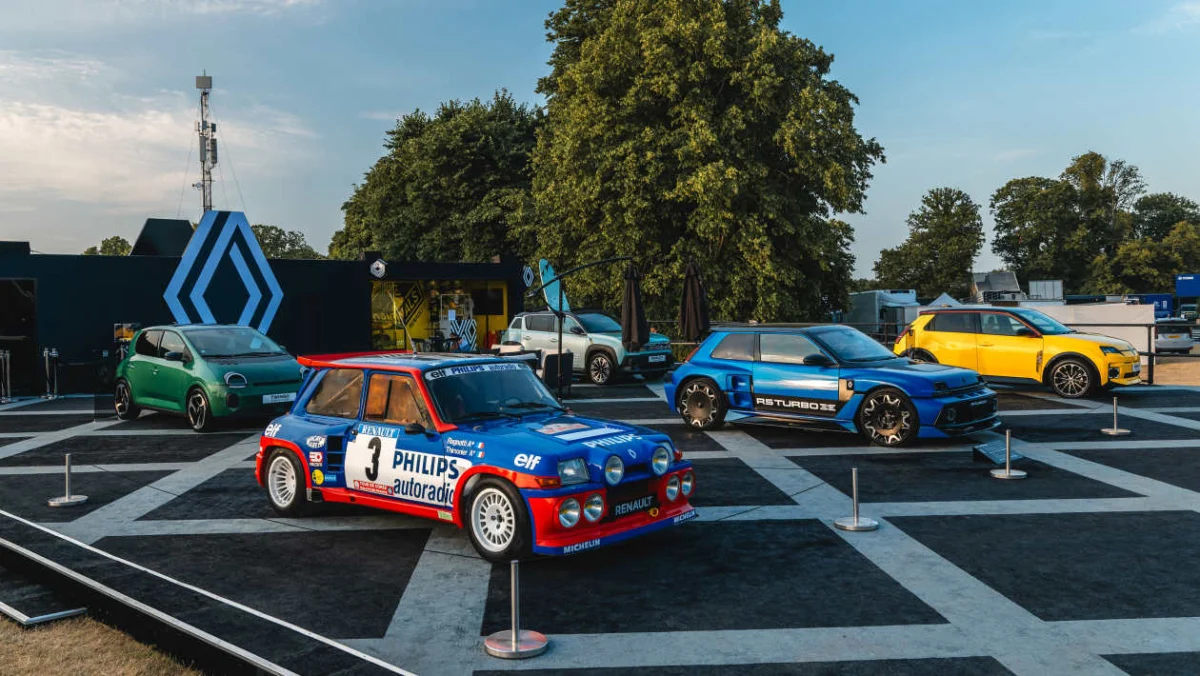
For Malval, this role represents a return to his roots. His professional journey began at Renault, which sponsored his studies at London’s Royal College of Art during the 1990s. Growing up with the Renault 4 and the Renault 5, Malval maintains a personal connection to the brand’s history, including iconic designs like the Renault 25 and the Gandini-designed Master van.
This personal history informs his view on brand evolution. He argues that while heritage is vital, it should not lead to stagnation. "The new Clio shouldn’t look like the 1990 car," he explains. "It should be the perfect product for today’s B-segment. The design must evolve to meet the needs of the modern family."
Implications for the Automotive Market
The automotive industry is currently observing a "proportional correction" in vehicle design. With the rise of electric vehicle platforms, which allow for longer wheelbases and shorter overhangs, manufacturers have more freedom than ever to create distinct silhouettes. Renault’s willingness to experiment with these dimensions suggests a move toward more "sculptural" vehicles.
Furthermore, the emphasis on interior ergonomics is a direct response to the "screen-heavy" trend that has dominated the industry for the past decade. By focusing on intuitive controls and human-centric design, Renault is attempting to differentiate itself from competitors who are prioritizing massive infotainment displays over functional, comfortable cabins.
From a financial perspective, this design-led strategy is essential for the Renault Group. As the company continues to refine its "Renaulution" strategy, the ability to create vehicles that buyers form an emotional attachment to is viewed as a prerequisite for sustained profitability. If the upcoming concept car successfully balances this "audacity" with the practical requirements of the family-car market, it could set a new standard for the brand’s global trajectory.
Conclusion: A Balancing Act
The success of Alexandre Malval’s tenure will be measured by the ability of his team to navigate the tension between the constraints of electrified platforms and the need for emotional, distinctive styling. By moving away from the aggressive, sharp-angled aesthetics currently prevalent in the industry, and toward a more thoughtful, personality-driven approach, Renault aims to reclaim its position as a leader in European vehicle design.
The upcoming October concept reveal will be the first tangible evidence of whether this vision can resonate with a modern, tech-savvy, yet value-conscious consumer base. With strong backing from Group CEO François Provost and Brand CEO Fabrice Cambolive, the design team at Renault appears empowered to take the risks necessary to redefine the brand for the next decade. As the industry moves further into the unknown of the electric, software-defined vehicle era, Renault’s focus on the "life" part of "cars for life" may well be the differentiator that secures its future in an increasingly crowded global marketplace.