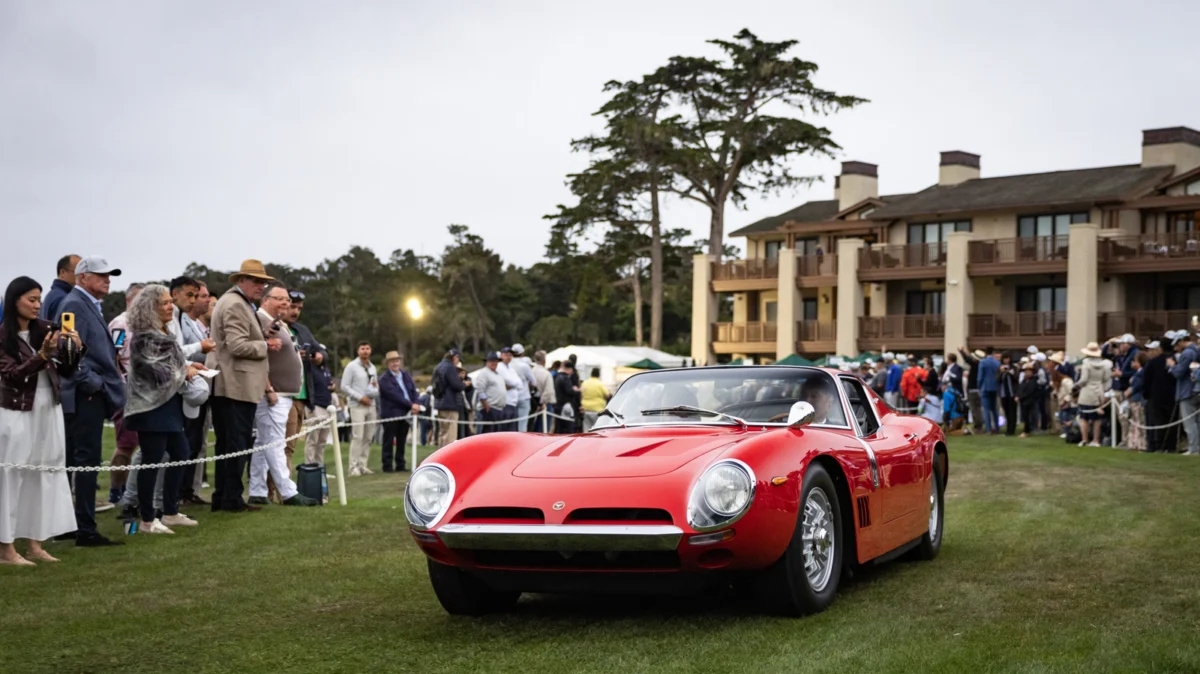
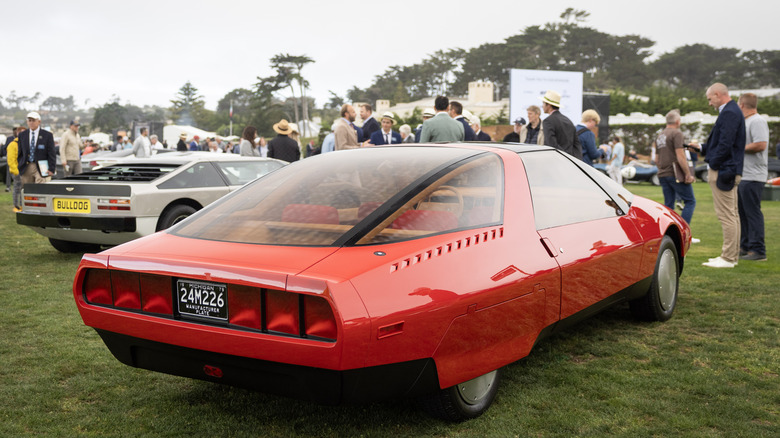
The phrase concours d’elegance translates literally to "competition of elegance," a description that evokes images of manicured lawns, black-tie attire, and the world’s most historically significant motorcars. These gatherings function as the automotive equivalent of a global championship, drawing rare vehicles from private collections and museums across multiple continents. While spectators experience these events as a sensory indulgence—accompanied by live music, catered hospitality, and the distinct murmur of vintage engines—the reality for entrants is far more rigorous. Entering a vehicle into a top-tier concours requires navigating an uncompromising judging environment where microscopic imperfections can cost a competitor a class win or a Best of Show trophy. Securing acceptance into premier events such as the Pebble Beach Concours d’Elegance or the Villa d’Este is already a significant hurdle, meaning owners must eliminate variables through meticulous planning. Preparing a vehicle for this level of competition demands adherence to five essential strategic pillars: researching the specific event and judging criteria, achieving absolute cleanliness, compiling comprehensive historical documentation, ensuring complete mechanical functionality, and adhering strictly to historical preservation etiquette.
Understanding Event Frameworks and Judging Criteria
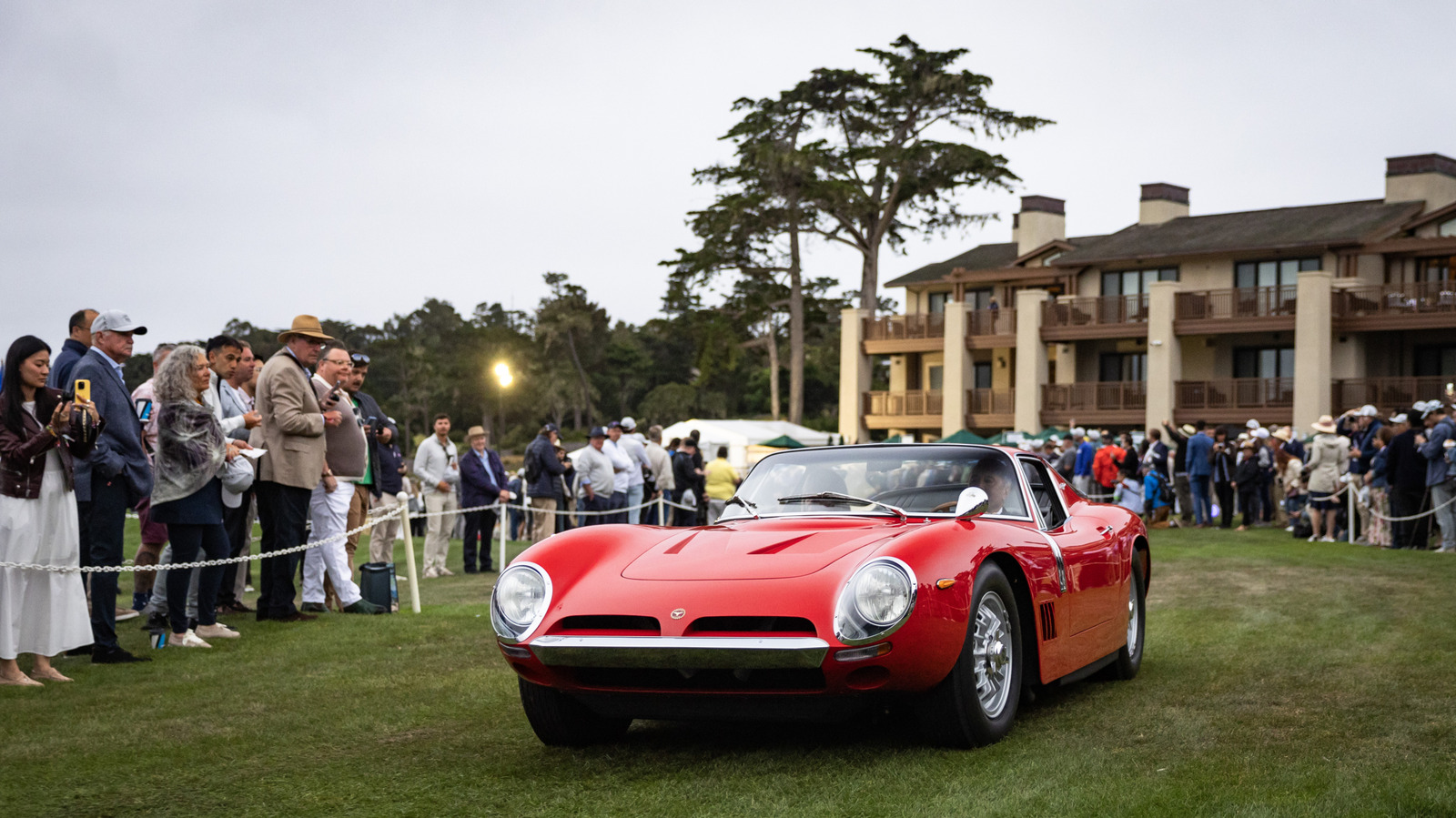
Before initiating any physical work on a vehicle, owners must thoroughly analyze the specific rules, class structures, and grading philosophies of the targeted concours. While the overarching goal of every event is to celebrate automotive design and history, the operational details vary significantly between organizations. Some events evaluate vehicles on a hundred-point deduction system, where cars begin with a perfect score and lose fractions of a point for every discovered flaw, incorrect fastener, or non-original component. Others rely on comparative judging, where vehicles within a specific class are weighed directly against one another based on criteria such as historical significance, restoration quality, and elegance of design.
Major events typically categorize entries by era, country of origin, body style, or marque. For example, the Pebble Beach Concours d’Elegance utilizes a complex class system that groups automobiles into precise historical windows, with panels of expert judges assigned to each niche. These judges are frequently historians, marque specialists, and restoration authorities who possess deep familiarity with factory specifications, production runs, and subtle year-to-year model changes. Furthermore, competitors must investigate logistical requirements well in advance. Certain prestigious events mandate that entrants participate in a pre-show driving tour, requiring the vehicle to perform reliably under real-world road conditions prior to static evaluation. Additionally, high-profile concours often enforce cooling-off periods; Pebble Beach, for instance, bars vehicles from competing again for a decade following their initial appearance. Researching the background, professional preferences, and past scoring tendencies of the assigned judges allows entrants to tailor their presentation to the specific expectations of the evaluation panel.
The Imperative of Absolute Cleanliness
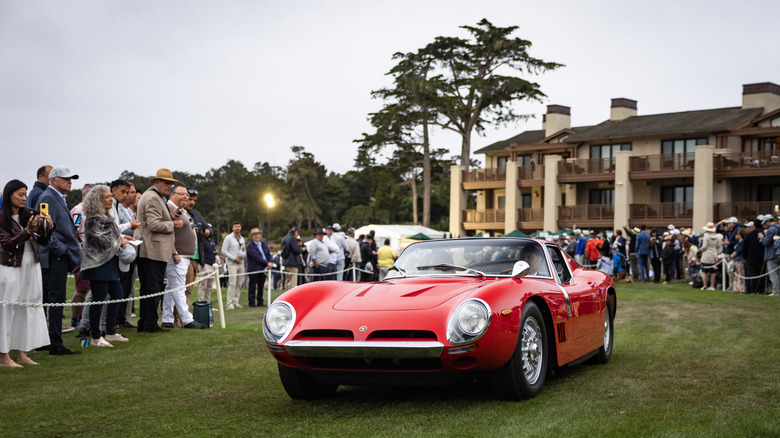
In the context of a concours d’elegance, cleanliness transcends routine detailing; it represents a comprehensive forensic restoration of the vehicle’s surfaces. Judges carry flashlights, inspection mirrors, and white-gloved hands to examine areas of the car that are rarely visible to the casual observer. A single fingerprint on interior glass, a speck of road grime within an inner wheel well, or a trace of grease on a suspension component can result in immediate point deductions. Consequently, professional restorers and seasoned competitors recommend dedicating a minimum of one full week exclusively to deep cleaning and detailing prior to the event.
The cleaning process must proceed systematically from the exterior body panels down to the innermost chassis components. Technicians must address the underbody, frame rails, brake calipers, and the interior lining of the wheel arches, ensuring these hidden zones meet the same aesthetic standards as the exterior paint. Engine bays require specialized attention, demanding the careful removal of accumulated road film, fluid residue, and oxidation without damaging sensitive vintage wiring or original engine block stampings. Interior spaces must be meticulously vacuumed, leather conditioned, and cleared of any foreign particles, utilizing technical service bulletins and manufacturer documentation to identify common accumulation points or delicate materials that require specialized care. Cleaning tools, including specialized horsehair brushes, microfiber towels, and polishing compounds, must be kept pristine to prevent accidental micro-scratching. Throughout the transport and setup phases, continuous monitoring is required to address environmental hazards such as pollen, dust, or condensation before the judges commence their inspection.
Compiling Comprehensive Historical Documentation
A successful concours entry requires more than pristine physical presentation; it demands a verifiable narrative. Judges and automotive historians evaluate vehicles not merely as mechanical objects, but as participants in motoring history. Establishing the provenance of a classic automobile requires assembling a comprehensive archive of documentation that traces the vehicle from its factory assembly line to its current ownership. This portfolio typically includes original production records, build sheets, factory correspondence, early registration papers, customs documents, and legal titles.
Beyond administrative records, owners should curate anecdotal evidence that highlights the car’s unique history, such as period racing entries, magazine features, historical photographs, and certified historical reports from marque authorities like the Ferrari Classiche department or factory archives. However, presentation is critical. The historical portfolio should be organized logically, functioning as a concise reference guide rather than an overwhelming display. Judges operate under strict time constraints, and an overly complex or cluttered documentation display can distract from the vehicle itself. Presenting cleanly bound records that can be reviewed efficiently allows the judges to verify authenticity without disrupting the flow of the evaluation.
Ensuring Complete Mechanical and Functional Readiness

While a concours d’elegance is fundamentally a celebration of aesthetic beauty, mechanical integrity is a critical evaluation criterion. Many prominent events require vehicles to be fully operational under their own power, often featuring dynamic components where cars must start, idle smoothly, and drive across a staging ramp or participate in a road tour. Even at events restricted to static displays, all onboard systems—including electrical circuits, horn functions, window mechanisms, lighting, and hydraulic systems—must be in peak working order.
Preparation must begin with comprehensive preventative maintenance. Fluids that have remained stagnant during long periods of museum storage or static collection display should be completely flushed and replaced with fresh, high-grade lubricants and coolants. Fuel systems require inspection to remove varnish or sediment that could impede carburetion or fuel injection. Technicians must inspect every mechanical linkage, bushing, and cable, replacing worn components with exact factory-spec replacements. A mechanical failure during the judging process—such as a failure to start, excessive exhaust smoke, or a stubborn door latch—can severely compromise an entry’s score. The objective is to present a vehicle that functions precisely as it did the day it left the factory floor.
Adhering to Preservation Etiquette and Presentation Standards

The contemporary concours landscape places a heavy emphasis on historical preservation over aggressive over-restoration. When replacing worn components, owners must source period-correct, original equipment manufacturer (OEM) parts whenever possible, avoiding modern reproductions that betray the vehicle’s authentic era. The presentation on the show field should reflect the manufacturer’s original delivery state. Supplementary items that originally accompanied the vehicle—such as matching toolkits, owner’s manuals, accessory luggage, or delivery documentation—should be displayed appropriately to provide a complete historical package.
During the judging window, presentation etiquette dictates that all doors, hoods, and trunk lids remain closed to preserve the clean architectural lines of the design, unless the judges explicitly request them to be opened for engine or interior inspections. As the owner and presenter, the entrant must remain available near the vehicle, prepared to answer technical questions accurately and concisely without overwhelming the judging panel with unsolicited commentary. Ultimately, while a concours d’elegance remains a high-stakes competitive arena governed by rigorous standards, the underlying philosophy of the event is to celebrate automotive heritage, craftsmanship, and community among enthusiasts.