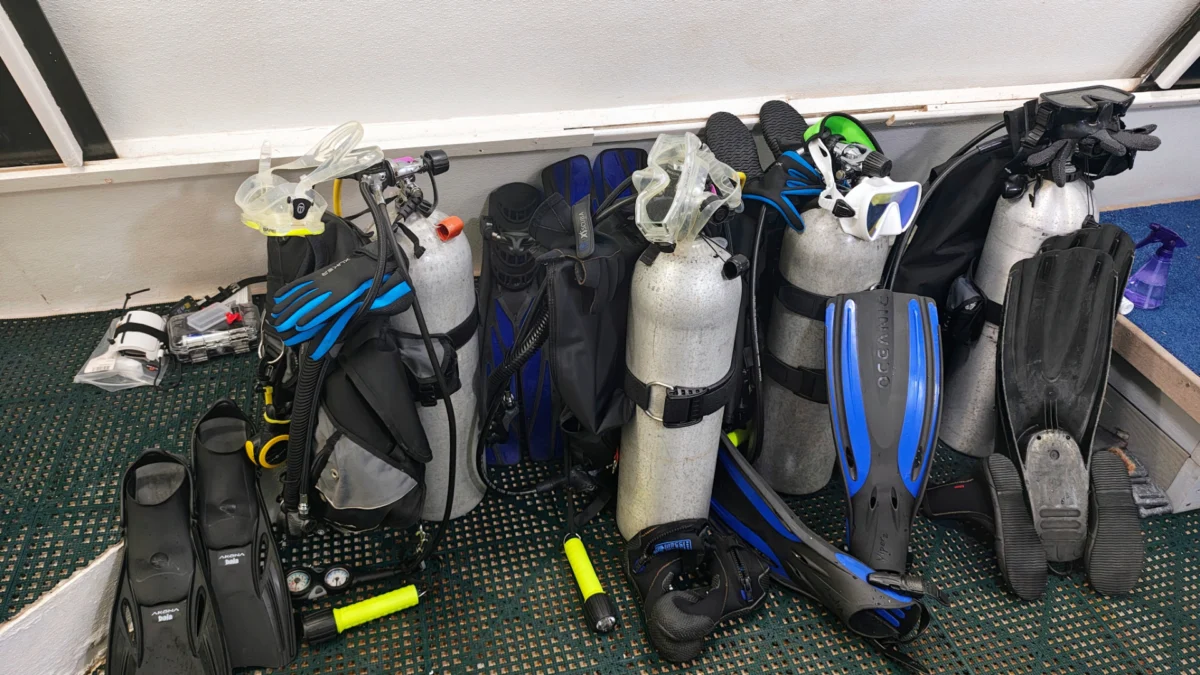
The harsh realities of space exploration often require scientists and aerospace engineers to seek out the most extreme and isolated environments on Earth. For Dr. Michaela Musilova, an award-winning astrobiologist and veteran analog astronaut who has commanded nearly 40 simulated missions to the Moon and Mars, the next logical step in training for interplanetary travel was not found in a desert or a volcanic crater, but rather on the floor of the Atlantic Ocean. As commander of the SEA STAR mission, Musilova led an elite crew of aquanauts living 22 feet (7 meters) underwater in Florida’s Jules’ Undersea Lab. For five days, the crew operated under the strict constraints of saturation diving, transforming scuba gear into improvised spacesuits and treating every underwater excursion with the gravity of an extra-vehicular activity (EVA) aboard the International Space Station.
The SEA STAR mission highlights a growing trend in astronaut training: utilizing underwater habitats as high-fidelity analogs for deep space exploration. While traditional land-based analog missions—such as those conducted at the Mars Desert Research Station in Utah or the Hawai’i Space Exploration Analog and Simulation (HI-SEAS) habitat—offer valuable insights into psychological isolation and planetary geology, they lack a critical danger inherent to spaceflight: the complete absence of a breathable atmosphere just outside a habitat’s walls. Underwater missions bridge this crucial gap, creating a psychological and physiological pressure cooker that closely mirrors the hostile environment of space.
The Mechanics and Physiology of Saturation Undersea
To understand the unique rigors of the SEA STAR mission, one must examine the physiological state known as saturation. Unlike recreational scuba divers who return to the surface after an hour or two, aquanauts live underwater continuously for days or weeks. During this time, their body tissues absorb the maximum possible amount of inert gas—such as nitrogen or helium—for a specific depth and pressure.
This physiological state introduces severe operational constraints. If an aquanaut experiences a catastrophic failure in their life support or habitat systems, they cannot simply swim to the surface without risking decompression sickness, commonly known as "the bends," which can be fatal. Consequently, every equipment check, tether protocol, and buddy check must be executed with absolute precision.
Musilova, despite her extensive background as a professional scuba diver and open-ocean explorer, noted that the psychological weight of command amplified her vigilance. Being responsible for the lives of fellow crew members in an environment where a minor gear malfunction could escalate into a life-threatening emergency demanded an unprecedented level of procedural discipline.
Replicating Spacewalks in Low-Visibility Waters
During the SEA STAR mission, the crew conducted simulated EVAs to test equipment, communication protocols, and navigation techniques. These underwater excursions served as direct analogs for lunar and Martian spacewalks, though with several distinct terrestrial adaptations.
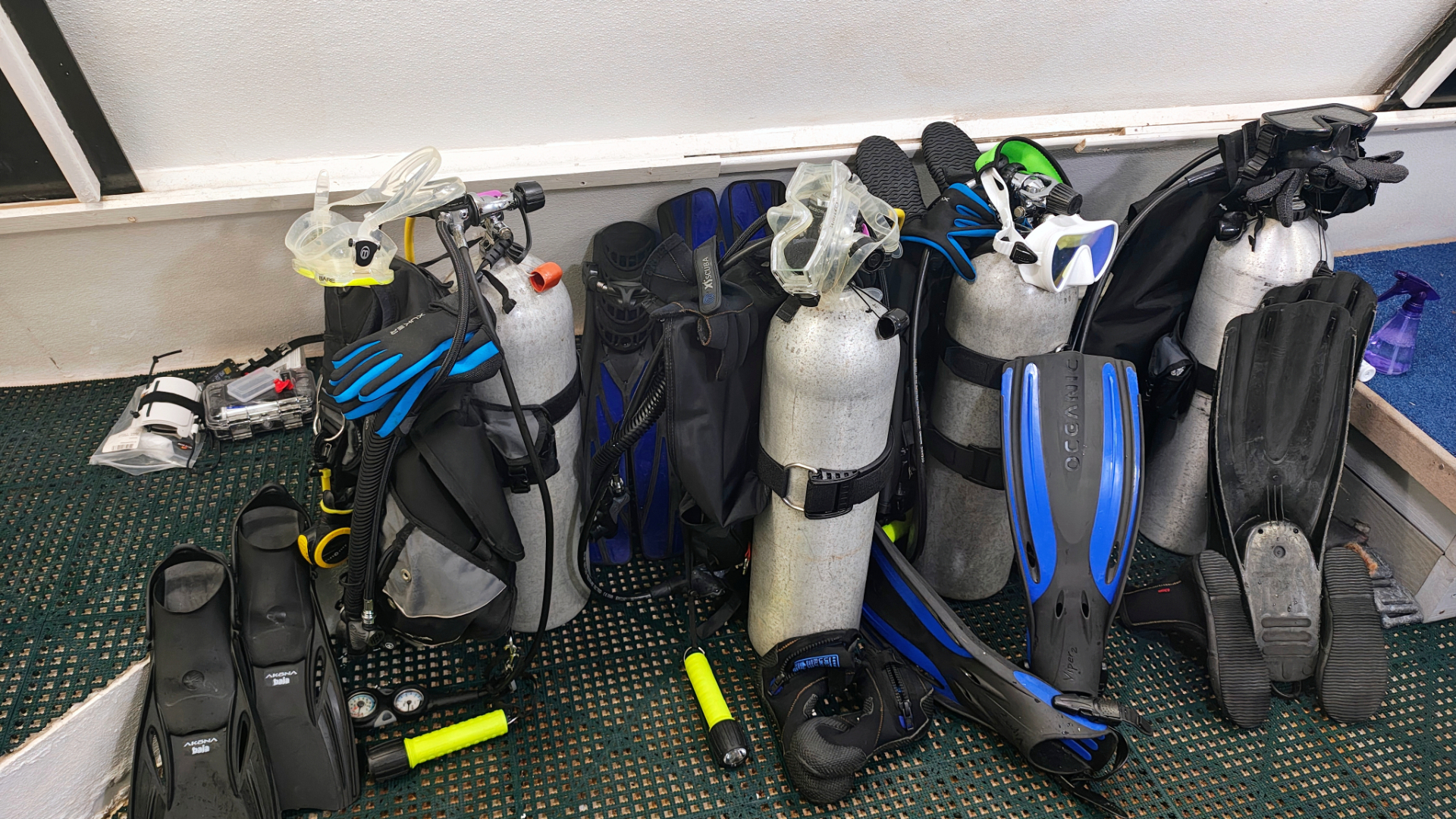
The equipment utilized during the EVAs was heavily modified to simulate the constraints astronauts face in orbit. Standard scuba gear was supplemented with thick protective gloves and high-powered flashlights. The gloves served a dual purpose: protecting the aquanauts’ hands from sharp natural formations such as barnacles and rough coral, while simultaneously dulling tactile sensitivity. This restriction accurately simulated the bulky, pressurized gloves worn by astronauts, which notoriously complicate fine-motor tasks like operating cameras, collecting geological samples, and handling tools.
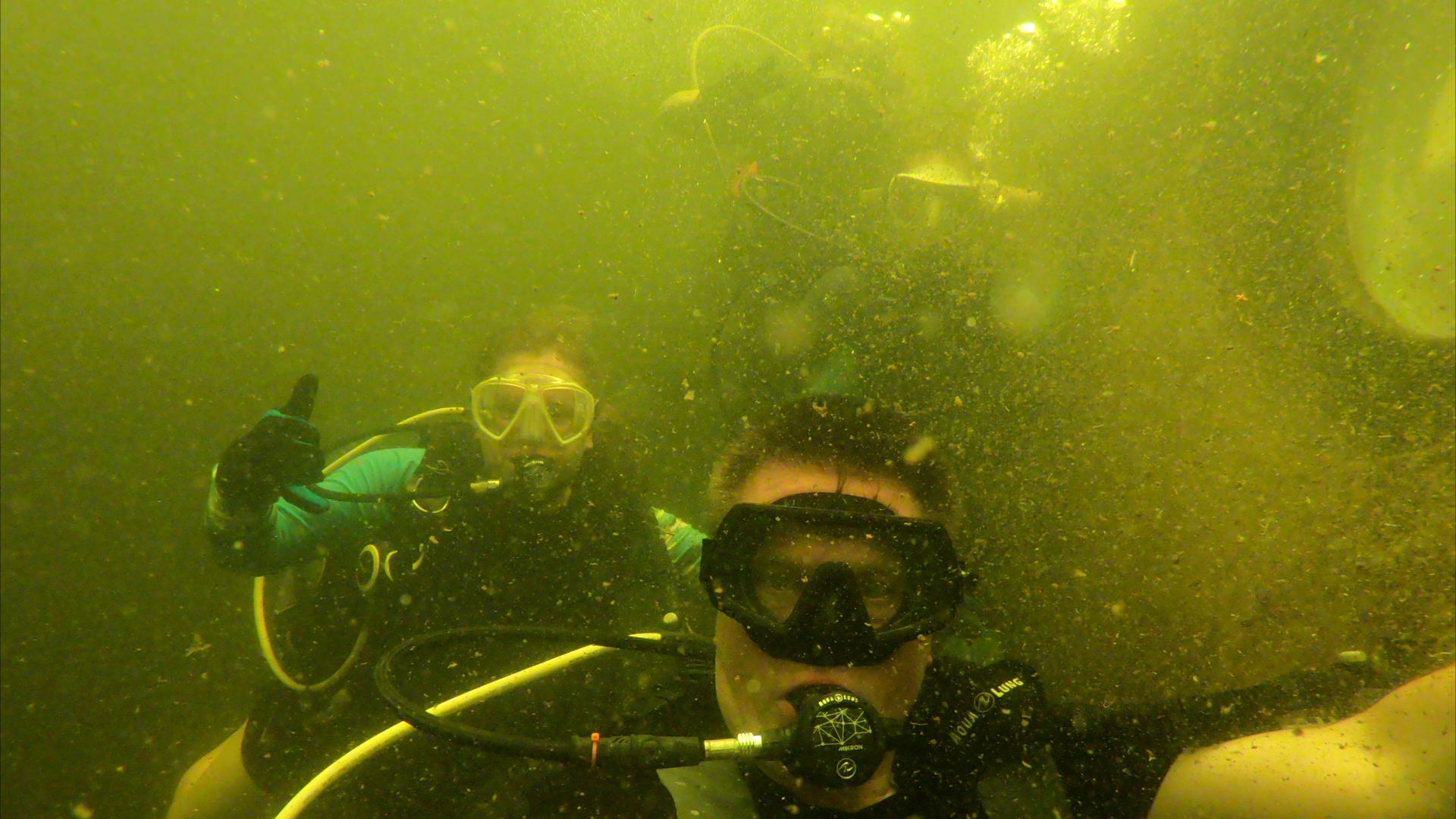
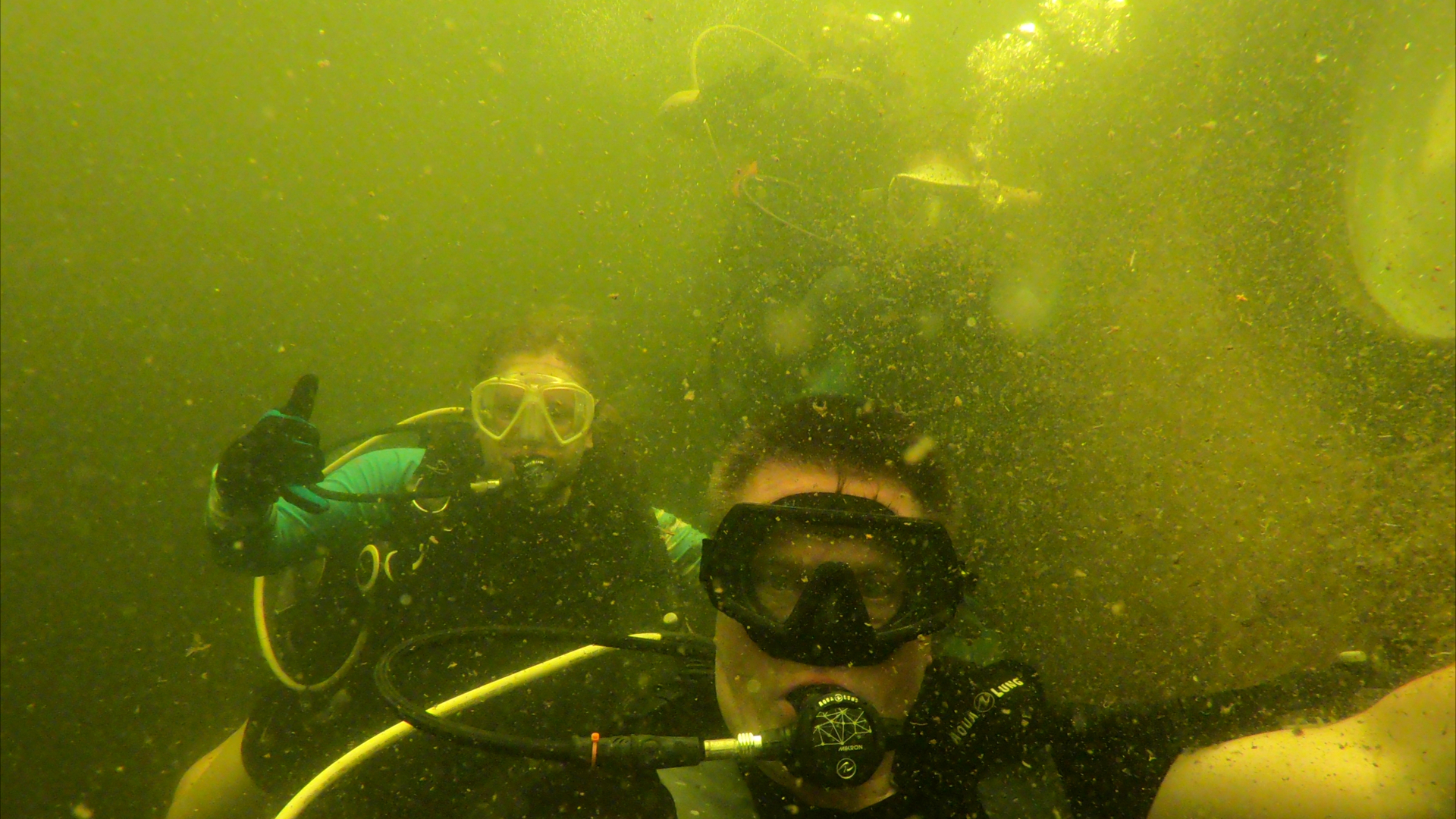
Furthermore, the underwater environment presented severe visibility challenges. Due to particulate matter and low ambient light at the test site, flashlights were mandatory for navigation. Crew members were restricted to visibility ranges of just a few feet, necessitating strict adherence to side-by-side movement protocols and meticulous visual communication.
Communication during the simulated EVAs relied heavily on standard scuba sign language supplemented by mission-specific hand signals developed by the crew. This reliance on non-verbal communication provided valuable lessons for terrestrial analog missions, offering robust backup strategies for scenarios where traditional radio communications fail—a challenge frequently studied in isolation research.
Background Context: The Evolution of Space Analog Missions
The use of underwater habitats for space exploration training has a rich history dating back to the late 1960s and 1970s, when programs like Tektite and SeaLab laid the groundwork for human saturation diving and long-duration space habitation. In recent decades, NASA’s Extreme Environment Mission Operations (NEEMO) program has regularly deployed astronauts, engineers, and scientists to the Aquarius Reef Base off the coast of Key Largo, Florida.
These missions allow space agencies to evaluate hardware, test communication latencies with mission control, and study crew dynamics under extreme stress. The SEA STAR mission builds upon this legacy, expanding the accessibility of independent analog research and pushing the boundaries of what commercial and academic teams can achieve in extreme environments.
The economic and logistical necessity of these analogs cannot be overstated. Sending humans to Mars or establishing a permanent base on the lunar surface involves unprecedented technological risks. By testing spacesuit materials, life-support redundancies, and psychological coping mechanisms in controlled earthly environments, space agencies can drastically reduce mission failure rates. While an analog spacesuit typically weighs around 30 pounds (14 kg)—a fraction of the 310-pound (141 kg) fully equipped extravehicular mobility units used in space—the operational mindset required to wear them remains identical.
Broader Impact and Implications for Future Deep-Space Missions
As space agencies and private aerospace companies look toward sustained human presence on the Moon and crewed expeditions to Mars, the insights gleaned from missions like SEA STAR will directly inform mission architecture.
First, the psychological findings from closed-loop, isolated environments continue to shape crew selection and support protocols. Living in close quarters under constant physical pressure tests interpersonal dynamics, leadership structures, and individual stress responses. Commanders like Musilova must balance operational efficiency with crew morale, ensuring that fatigue and sensory deprivation do not compromise mission safety.
Second, technological advancements tested in extreme environments often find dual-use applications. Innovations in portable life support systems, underwater imaging, and ergonomic tool design developed for aquanauts can be refined for use in orbital mechanics and planetary surface exploration.
Ultimately, the SEA STAR mission underscores the profound psychological transformation required of modern explorers. Whether stepping out of an airlock into the vacuum of space or descending into the murky depths of an undersea laboratory, the fundamental drive remains unchanged: the relentless pursuit of the unknown, guided by rigorous preparation, teamwork, and an unwavering commitment to survival.