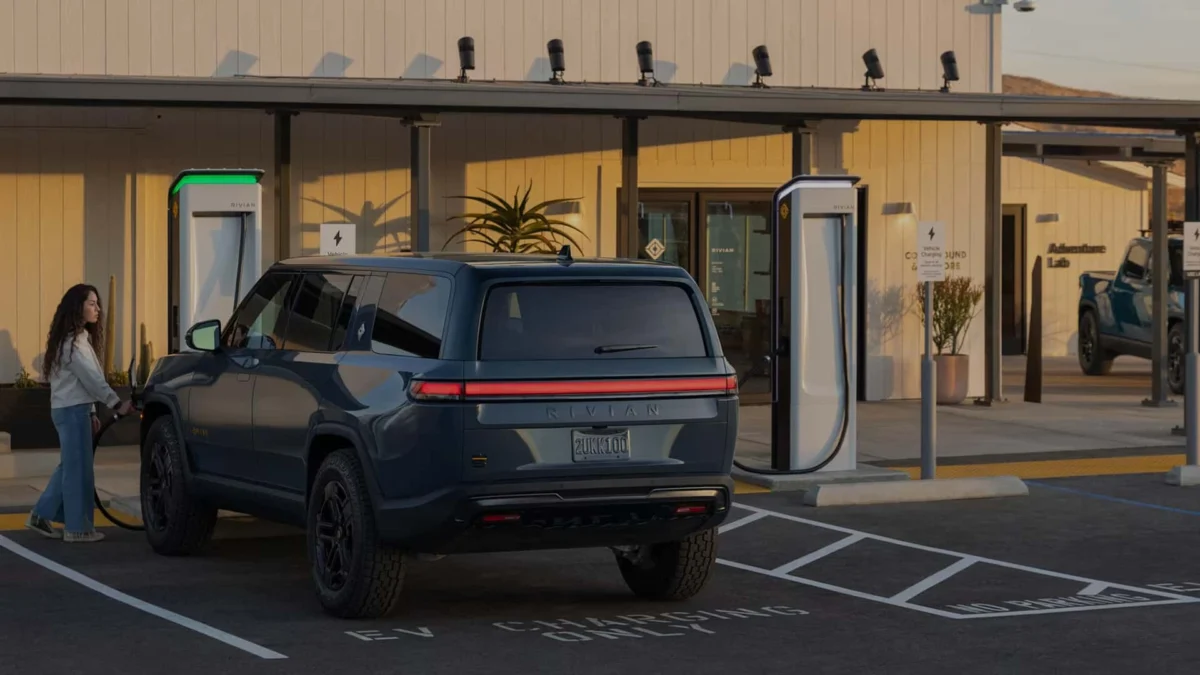
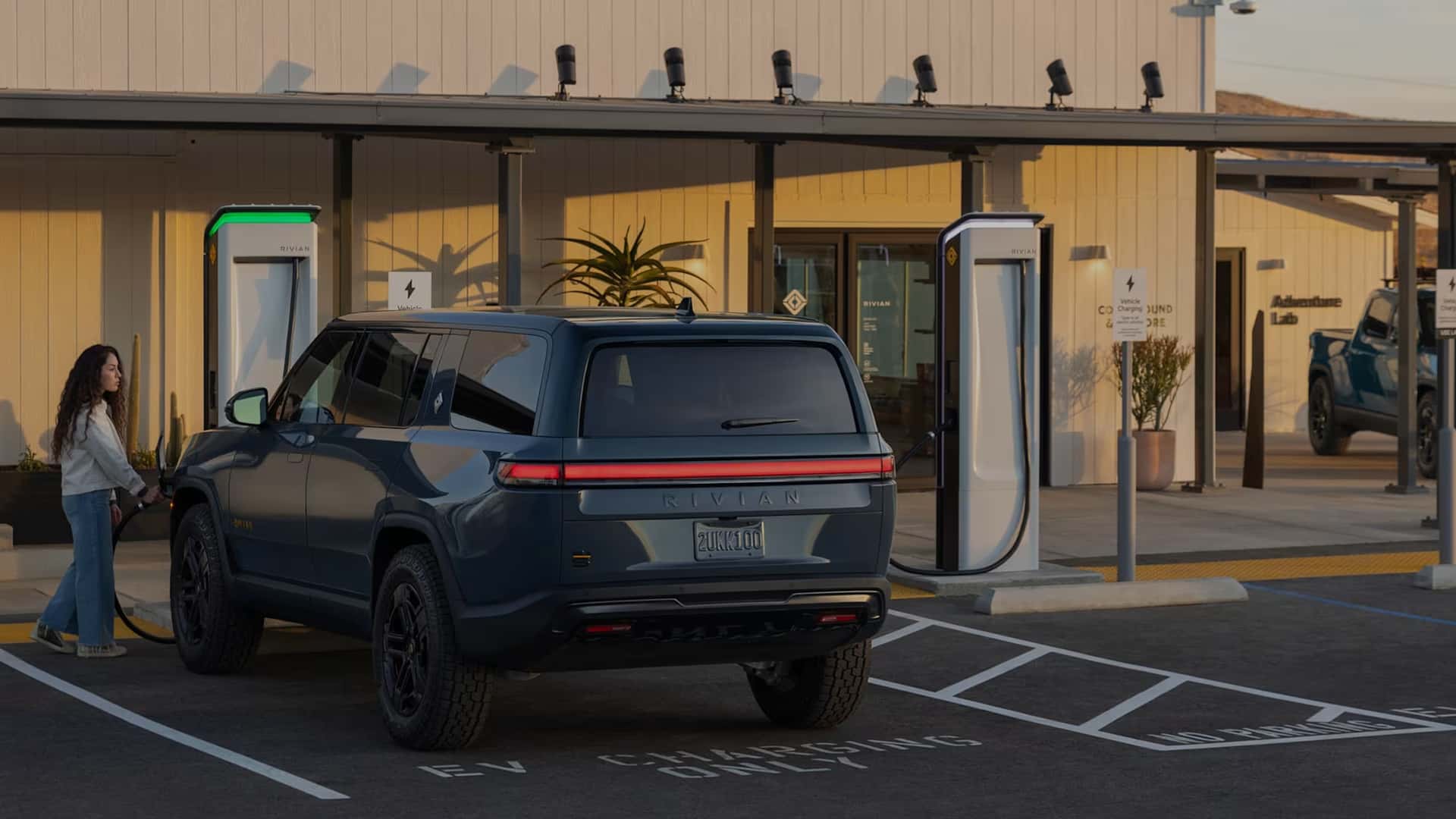
Rivian’s Adventure Network of DC fast chargers has expanded nearly 40% in the last 12 months, surpassing 1,100 individual chargers and 150 locations across the United States. This aggressive scaling of proprietary charging infrastructure represents a core component of the Irvine-based automaker’s long-term strategy to provide a seamless ownership experience, even as the broader industry pivots toward standardized charging protocols. According to the company’s third-quarter earnings report, the Rivian Adventure Network (RAN) now encompasses 1,185 high-speed ports capable of delivering up to 300 kilowatts of power. This represents a 39% increase in port availability compared to the same period in the previous year, while the physical footprint of these sites has grown to 165 locations, marking a 26% expansion over the figures recorded at the end of the third quarter of 2025.
The Evolution of the Adventure Network
Since its inception, the Rivian Adventure Network has been positioned as a premium, reliable charging solution designed specifically to support the brand’s rugged, adventure-oriented vehicles, such as the R1T pickup and R1S SUV. Unlike third-party networks that often struggle with varying degrees of maintenance and uptime, Rivian has maintained strict oversight over its proprietary hardware. These stations are strategically located near popular outdoor recreation areas, highways, and travel corridors, reinforcing the company’s brand identity.
The current trajectory of this growth highlights Rivian’s commitment to vertical integration. By controlling the end-to-end charging experience, the company aims to mitigate the "range anxiety" that continues to be a primary barrier to mainstream EV adoption. Each RAN port is engineered to provide high-speed charging, allowing users to add hundreds of miles of range in a timeframe comparable to a conventional fuel stop.
Sustainability and Environmental Impact
A notable pillar of the Rivian charging strategy is its stated commitment to environmental stewardship. The company maintains that its fast chargers are powered by 100% renewable energy. It is important to contextualize this claim: while the physical electricity flowing into a vehicle at a specific site might not always originate directly from an on-site photovoltaic array or a dedicated wind turbine, Rivian employs a robust carbon-offsetting model. Every kilowatt-hour delivered through a RAN charger is matched by the procurement of Renewable Energy Certificates (RECs) or direct power purchase agreements, ensuring that the total energy demand of the network is offset by clean, sustainable generation elsewhere in the national grid. This approach is increasingly common among large-scale infrastructure developers looking to balance operational speed with corporate sustainability goals.
The Disparity Between Fast Charging and Level 2 Infrastructure
While the RAN DC fast charging network has garnered significant investment and public attention, the company’s secondary network, known as "Waypoints," has followed a markedly different development path. Waypoints are Level 2 chargers—typically operating at 11 kilowatts—designed for "destination charging" at hotels, parks, and retail centers.
Data from the Department of Energy’s Alternative Fuels Data Center (AFDC) reveals that the expansion of the Waypoints network has slowed considerably. Throughout 2026, Rivian installed only ten new 11-kilowatt chargers, with the most recent pair coming online in October. Currently, the company operates approximately 540 Waypoint chargers across 208 locations in the United States. The relative stagnation of this segment suggests that Rivian is prioritizing capital expenditure toward high-utility, high-speed charging solutions that directly impact the long-distance travel capabilities of its vehicles, rather than diversifying into slower, neighborhood-based charging.
Industry Context and Competitive Landscape
Rivian’s efforts to build out a proprietary network occur against a backdrop of rapid industry transformation. The adoption of the North American Charging Standard (NACS) has become a watershed moment for the EV sector. Rivian, like most other major manufacturers, has moved to integrate NACS into its vehicles, granting its customers access to the vast Tesla Supercharger network. This transition fundamentally changes the value proposition of owning a proprietary charger; Rivian owners now have access to tens of thousands of fast-charging ports across the country, many of which are more conveniently located than the company’s own RAN sites.
When viewed against the backdrop of the entire U.S. EV charging ecosystem, Rivian remains a boutique player. Tesla continues to dominate the market with over 40,000 fast-charging ports across roughly 3,300 locations, alongside 14,000 Level 2 destination chargers. The sheer scale of the Tesla infrastructure dwarfs that of any other single manufacturer, creating a competitive pressure that forces companies like Rivian to justify the ongoing costs of building and maintaining a proprietary network.
Strategic Implications for Rivian
Analysts suggest that Rivian’s decision to continue expanding its proprietary network, despite the ubiquity of Tesla’s Superchargers, is a strategic hedge. By maintaining the Adventure Network, Rivian preserves control over the user experience, ensuring that its vehicles are guaranteed a high-performance charging environment tailored to their specific battery architectures. Furthermore, the presence of branded chargers serves as a mobile billboard for the company, reinforcing brand visibility in the very locations where the vehicles are intended to be used.
However, the financial implications are significant. Building and operating a high-speed charging network is capital-intensive, involving significant costs related to real estate, utility grid interconnection, and maintenance. As Rivian navigates its path toward profitability, the company will likely face ongoing scrutiny regarding the return on investment for its infrastructure projects. The shift in focus toward the DC fast-charging network suggests that the company is refining its strategy to maximize the utility of every dollar spent on infrastructure, moving away from low-speed, low-throughput hardware.
Looking Ahead
The coming year will be critical for the maturation of the Rivian charging network. As the company continues to scale production and expand its customer base, the demand for reliable, fast charging will only increase. Whether Rivian chooses to open its RAN network to other manufacturers—a move that could potentially generate revenue and qualify the company for federal infrastructure subsidies—remains a subject of speculation.
The current landscape of the U.S. charging market is defined by a transition from fragmented, proprietary islands of infrastructure to a more interconnected, standardized ecosystem. Rivian’s ability to thrive in this environment will depend on its capacity to integrate its own network with the broader national grid while maintaining the premium, "adventure-ready" experience that defines its brand.
In summary, while the 40% growth in the Adventure Network represents a significant achievement for a young automaker, it is but one small piece of a much larger, rapidly evolving puzzle. As the automotive industry moves toward a future dominated by electric propulsion, the winners will be those who can successfully navigate the balance between building proprietary solutions that build brand loyalty and embracing open standards that ensure universal reliability for all drivers. Rivian’s recent progress is a testament to its commitment to that balance, setting the stage for its continued role as a key contributor to the American EV charging infrastructure.