The integration of domestic animals into the architectural and interior design of the modern home has transitioned from a niche luxury to a primary consideration for North American homeowners. As the relationship between humans and their canine companions evolves into one of "pet parenthood," the demand for residential spaces that accommodate the physiological and behavioral needs of dogs has surged. Transforming a standard residence into a dog-friendly environment requires a strategic intersection of safety protocols, material resilience, and functional zoning. Whether a homeowner is retrofitting an existing property in Seattle, Washington, or designing a new build in Lake Geneva, Wisconsin, the objective remains the same: creating a harmonious space that minimizes maintenance while maximizing the well-being of all occupants.
The Evolution of the Pet-Centric Home
Historically, domestic dogs were often relegated to outdoor spaces or specific utilitarian areas of the home. However, data from the American Pet Products Association (APPA) indicates that as of 2023, nearly 66% of U.S. households own a pet, with dogs representing the largest share of that demographic. This shift has necessitated a fundamental change in how real estate is valued and designed. Modern home buyers increasingly prioritize features such as fenced yards, "mudrooms" equipped with dog-washing stations, and scratch-resistant flooring.
The transition toward dog-friendly design is not merely an aesthetic choice but a financial one. According to the National Association of Realtors (NAR), 43% of pet owners would be willing to move to a different home to better accommodate their pets. Consequently, properties that proactively incorporate durable materials and safety features often see a higher level of interest and a potentially faster turnover in competitive markets.
Comprehensive Safety Assessments and Hazard Mitigation
The foundational step in establishing a dog-friendly home is a rigorous safety audit. Expert consensus suggests that homeowners should view their environment through the lens of a "human toddler," recognizing that dogs possess a natural curiosity coupled with a lack of awareness regarding household dangers.
Seana, the proprietor of Dashing Dawgs Grooming & Boutique, emphasizes the importance of perspective. She recommends that owners physically lower themselves to the ground to identify potential hazards that are invisible from a standing height. This includes exposed electrical conduits, unstable furniture that could be toppled during play, and small objects that present choking hazards.
Milunova, a veteran pet foster parent, posits that effective design should "set the pet up for success." This involves neutralizing the environment to prevent destructive behaviors before they begin. A primary example is cable management. Utilizing specialized boxes to house power strips and loose wires not only improves the visual appeal of a room but eliminates the risk of electrocution or fire caused by chewing.
Key safety interventions include:
- The installation of magnetic or child-proof latches on lower cabinetry containing cleaning supplies or medications.
- Securing heavy furniture, such as bookshelves and televisions, to wall studs to prevent tipping.
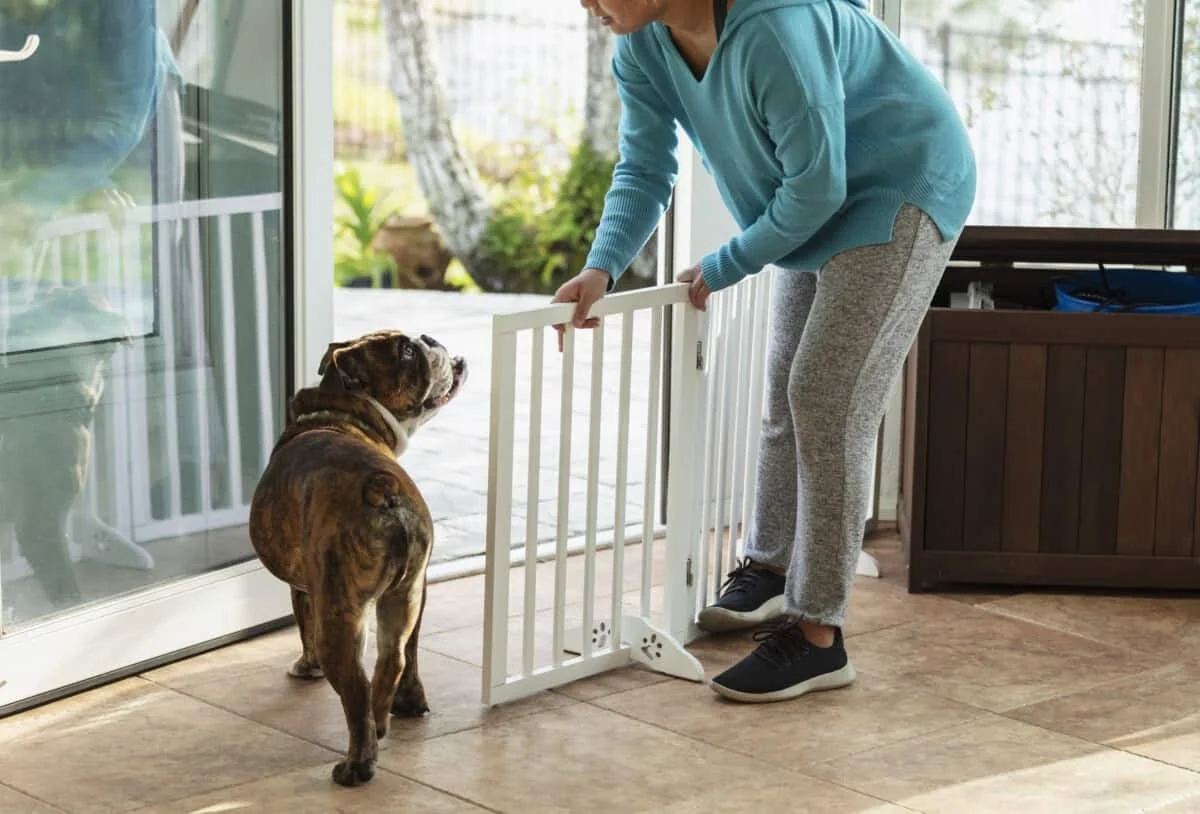
- Establishing "no-go" zones using stylish, permanent pressure-mounted gates rather than temporary barriers that can be easily bypassed.
Material Selection: The Intersection of Durability and Aesthetics
The longevity of a home’s interior is largely dependent on the resilience of its surfaces. Living with dogs introduces unique challenges, including claw-induced abrasions, moisture from spills or accidents, and the persistent presence of fur and dander.
High-Performance Flooring Solutions
Flooring is perhaps the most critical investment in a dog-friendly home. Traditional hardwoods, while aesthetically pleasing, are often susceptible to deep scratches and water damage. Adam Milecki, a representative for Urban Surfaces, advocates for waterproof surfaces with a robust protective wear layer. He notes that engineered products, such as Bjelin Woodura Hardened Wood, provide the visual warmth of authentic timber while offering superior impact resistance and watertight seals.
For those seeking maximum utility, Milunova suggests polished concrete. This material is virtually indestructible, easy to sanitize, and provides a cool surface for dogs during warmer months. Other viable options include porcelain or ceramic tiles, which are impervious to moisture and odors, and Luxury Vinyl Plank (LVP), which has become a standard in pet-friendly rentals due to its cost-effectiveness and durability.
Textiles and Upholstery
Furniture selection requires a focus on "performance fabrics." Scott Avera of Animals Matter, Inc. warns against the "common mistake" of choosing low-quality, decorative pet products that lack structural integrity. Instead, he suggests investing in furniture upholstered in leather or tightly woven synthetic microfibers. Leather is particularly advantageous as it does not trap hair and can be wiped clean, although it may develop a "patina" of light scratches over time.
For fabric sofas, canvas and microfiber are preferred for their ability to withstand "nesting" behaviors. Many designers now recommend the use of high-end, washable slipcovers, which allow for a total refresh of the living space without the expense of professional reupholstery.
Wall Treatments
The choice of paint finish is frequently overlooked but remains vital for maintenance. Matte or flat finishes are porous and difficult to clean without removing the pigment. Journalistic analysis of interior trends suggests that satin or semi-gloss finishes are the optimal choice for pet owners. These non-porous surfaces allow mud, oils from the dog’s coat, and paw prints to be scrubbed away with a damp cloth without compromising the wall’s appearance.
Establishing Functional Zones and Routine
A dog-friendly home is one where the floor plan is optimized for the animal’s daily routine. Lawren Babek, a design consultant, stresses that dedicated areas for sleeping, feeding, and grooming should be placed away from high-traffic corridors. This reduces the dog’s stress levels and prevents human occupants from tripping over bowls or beds.
The Rise of the Orthopedic Bed
As veterinary science advances, there is a growing awareness of canine joint health. Scott Avera recommends the use of orthopedic pet beds featuring proprietary fills, such as Luxura-Fill®. Unlike standard polyester-filled beds that flatten over time, these high-resilience materials provide long-term skeletal support, which is particularly crucial for larger breeds and aging dogs.
Mudrooms and Sanitation Stations
One of the most significant trends in modern home renovation is the inclusion of a "dog wash" or specialized mudroom. These areas, often located near a rear entrance, feature elevated tubs and handheld sprayers. This allows owners to clean their pets before they enter the main living quarters, significantly reducing the amount of dirt and allergens tracked into the home.
Outdoor Security and Environmental Health
The exterior of the property serves as a vital extension of the dog’s living space. A secure backyard is the primary defense against the risks of wandering or encounters with local wildlife.
Fencing and Perimeter Security
A sturdy, opaque fence is often recommended over "invisible" or electronic fences. Physical barriers provide a visual deterrent and protect the dog from external agitators. Homeowners should regularly inspect the perimeter for "dig zones" and ensure that gates are equipped with self-closing hinges and secure latches.
Toxic Flora and Landscaping
Homeowners must also be vigilant regarding landscaping. Many common garden plants are highly toxic to canines. The following species are frequently cited by veterinary toxicologists as high-risk:
- Lilies and Tulips: Can cause severe gastrointestinal distress and, in some cases, organ failure.
- Sago Palms: Extremely toxic; ingestion of even a small amount can be fatal.
- Azaleas and Rhododendrons: Contain grayanotoxins that disrupt nerve and muscle function.
Replacing these with pet-safe alternatives like marigolds, snapdragons, or sunflowers ensures a safe exploratory environment for the dog.
Broader Implications for the Real Estate Market
The shift toward dog-friendly home design is more than a lifestyle trend; it is a reflection of changing socioeconomic priorities. As millennials and Gen Z delay homeownership and parenthood, pets have moved to the center of the household unit. This demographic shift is driving innovation in the construction and home goods industries.
From an economic perspective, the "pet-proofing" of a home is a proactive measure against property depreciation. By selecting materials that resist wear and tear, homeowners preserve the underlying value of their assets. Furthermore, the integration of pet-specific amenities is increasingly viewed as a "standard" expectation in the luxury market, similar to high-end kitchen appliances or smart home technology.
Ultimately, a dog-friendly home is the result of intentional design. By prioritizing safety, selecting resilient materials, and creating dedicated functional zones, homeowners can foster an environment that supports the health and happiness of their canine companions while maintaining a sophisticated and orderly living space. This holistic approach ensures that the home remains a sanctuary for all its inhabitants, regardless of species.