Canadian Wildfire Smoke Engulfs U.S. Midwest: A Comprehensive Look at the Spreading Air Quality Crisis
The persistent and widespread Canadian wildfires have unleashed a concerning plume of smoke that has now settled over the U.S. Midwest, significantly degrading air quality across multiple states. This aerial assault, driven by prevailing wind patterns originating from the north, is not a fleeting phenomenon but an ongoing environmental and public health challenge. Residents from states like Minnesota, Wisconsin, Michigan, Illinois, Indiana, and Ohio are experiencing hazy skies, reduced visibility, and critically, elevated levels of fine particulate matter (PM2.5), a primary component of wildfire smoke. The immediate and long-term implications of this widespread smoke intrusion demand a detailed examination, encompassing the sources of the fires, the atmospheric mechanisms driving smoke transport, the specific health risks associated with inhaling wildfire smoke, and the multifaceted impacts on communities and ecosystems. Understanding the intricacies of this event is crucial for effective mitigation, public preparedness, and future wildfire management strategies.
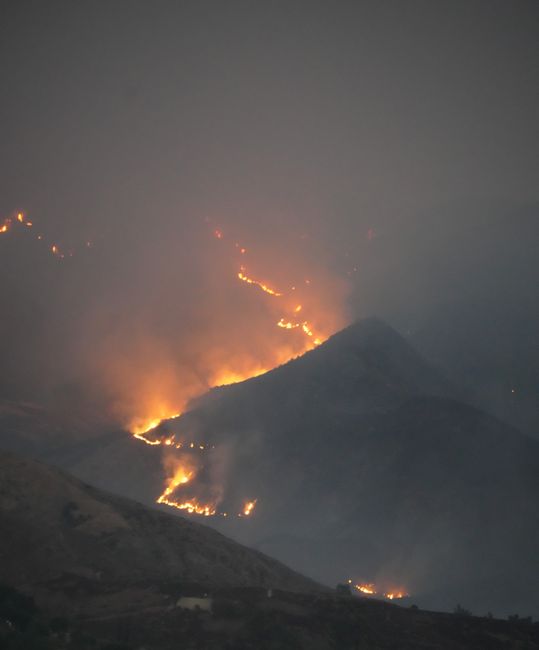
The genesis of this aerial crisis lies in the unprecedented scale and intensity of wildfires currently raging across vast tracts of Canada, particularly in its western and central provinces. Regions such as Alberta, British Columbia, Manitoba, and Saskatchewan have been battling hundreds of active fires, many of which are burning out of control. These fires are fueled by a confluence of factors, including prolonged drought conditions, record-breaking high temperatures, and lightning strikes. The dry, parched vegetation acts as tinder, allowing fires to ignite easily and spread with alarming rapidity. The sheer size of these blazes generates immense quantities of smoke, lofting it high into the atmosphere where it can be carried long distances by prevailing weather systems. The frequency and severity of these megafires are increasingly linked to the broader impacts of climate change, which is exacerbating hot and dry conditions conducive to wildfire ignition and propagation.
Atmospheric science plays a pivotal role in understanding how smoke from Canada reaches the U.S. Midwest. The jet stream, a high-altitude current of air that flows from west to east around the globe, acts as the primary conveyor belt for this airborne pollution. In this instance, a dip or trough in the jet stream positioned over northwestern Canada has been effectively drawing smoke northward and then directing it southeastward across the border into the United States. Local wind patterns at lower altitudes further contribute to the surface-level distribution of the smoke. When these smoke plumes descend from the upper atmosphere, they mingle with ambient air, significantly increasing the concentration of pollutants at ground level. The duration of this event is dictated by the persistence of these wind patterns and the ongoing activity of the Canadian wildfires. As long as fires continue to burn and the jet stream remains in this configuration, the Midwest can expect continued exposure to smoke.
The health implications of inhaling wildfire smoke are a paramount concern. Wildfire smoke is a complex mixture of gases and particulate matter, with fine particulate matter (PM2.5) being the most dangerous component. These particles are less than 2.5 micrometers in diameter, roughly 30 times smaller than the width of a human hair, allowing them to penetrate deep into the lungs and even enter the bloodstream. Exposure to elevated levels of PM2.5 can trigger a range of adverse health effects, from immediate respiratory irritation to more severe and chronic conditions. Symptoms commonly experienced include coughing, wheezing, shortness of breath, sore throat, and eye irritation. Individuals with pre-existing respiratory conditions such as asthma, chronic obstructive pulmonary disease (COPD), and emphysema are particularly vulnerable and may experience exacerbated symptoms, leading to increased hospitalizations and emergency room visits. Cardiovascular health can also be impacted, with studies suggesting a link between wildfire smoke exposure and increased risk of heart attacks and strokes. Children and the elderly are also more susceptible due to their developing or compromised immune and respiratory systems, respectively. The long-term effects of repeated or prolonged exposure to wildfire smoke are still being studied, but concerns include potential links to lung cancer and other chronic respiratory diseases.
Beyond direct health impacts, the spreading Canadian wildfire smoke has tangible consequences for communities in the U.S. Midwest. Reduced visibility due to smoke haze poses significant safety hazards, particularly for aviation and ground transportation. Flights may be delayed or canceled, and drivers may need to exercise extreme caution on roadways. Economic activities can also be affected. Outdoor recreation, a significant contributor to local economies in many Midwestern states, can be curtailed, leading to losses for businesses that rely on tourism and outdoor activities. Events like concerts, sporting matches, and outdoor festivals may be postponed or canceled. Air conditioning systems in homes and businesses are working overtime to filter the air, potentially leading to increased energy consumption and utility bills. Furthermore, the aesthetic impact of a smoky sky can affect the general well-being and mood of residents, contributing to a sense of unease and disruption to daily routines.
The environmental repercussions of this smoke event are also noteworthy. While the immediate focus is often on human health, ecosystems can also be affected. Airborne particulate matter can deposit on surfaces, including vegetation and water bodies, potentially altering soil chemistry and water quality. Acid rain, although not directly caused by wildfire smoke alone, can be exacerbated by the presence of certain gases released by fires. The reduced sunlight reaching the ground due to the smoke layer can also temporarily impact photosynthesis in plants. While the Midwest is not experiencing the direct burning of forests, the long-range transport of smoke signifies a broader environmental connection and the far-reaching consequences of large-scale ecological events.
Mitigation and adaptation strategies are crucial for managing the impacts of this ongoing wildfire smoke event. Public health advisories and air quality alerts are vital tools for informing residents about current conditions and recommended precautions. These advisories often include guidance on limiting outdoor activities, especially for vulnerable populations, and using high-efficiency particulate air (HEPA) filters indoors. The use of N95 respirators or similar masks is recommended for individuals who must be outdoors for extended periods. Public health officials also emphasize the importance of staying informed through official channels, as air quality can fluctuate rapidly.
For communities, proactive measures can include developing robust air quality monitoring networks and ensuring that public health infrastructure is prepared to handle an increase in respiratory-related health issues. Businesses and individuals can invest in air purifiers for indoor spaces to create cleaner air environments. Urban planning and policy can also play a role in the long term, considering strategies to reduce urban heat island effects and promote green spaces, which can help mitigate the severity of future air quality issues, though they are not a direct solution to transboundary smoke events.
The role of technology in tracking and predicting smoke plumes is increasingly sophisticated. Advanced meteorological models and satellite imagery allow scientists to forecast the movement and concentration of wildfire smoke with greater accuracy. This information is invaluable for issuing timely warnings and enabling targeted public health interventions. Data from ground-level air quality monitors provides real-time measurements of pollutant levels, offering a granular understanding of the smoke’s impact on specific areas.
Looking ahead, the recurring nature of these large-scale wildfire events, amplified by climate change, necessitates a long-term perspective. Strategies for wildfire prevention and management in Canada are critical for reducing the source of these smoke plumes. This includes investing in forest management practices, early detection systems, and adequate firefighting resources. International cooperation between Canada and the United States on data sharing, research, and coordinated response efforts is essential. Public education campaigns about the risks of wildfire smoke and the importance of climate action are also vital for fostering a collective understanding and commitment to addressing the root causes of increased wildfire activity. The current situation in the U.S. Midwest serves as a stark reminder of the interconnectedness of environmental challenges and the profound impact that events occurring thousands of miles away can have on our daily lives and public health. The continued monitoring, adaptation, and proactive management of wildfire smoke events will be a defining challenge for the coming years.
