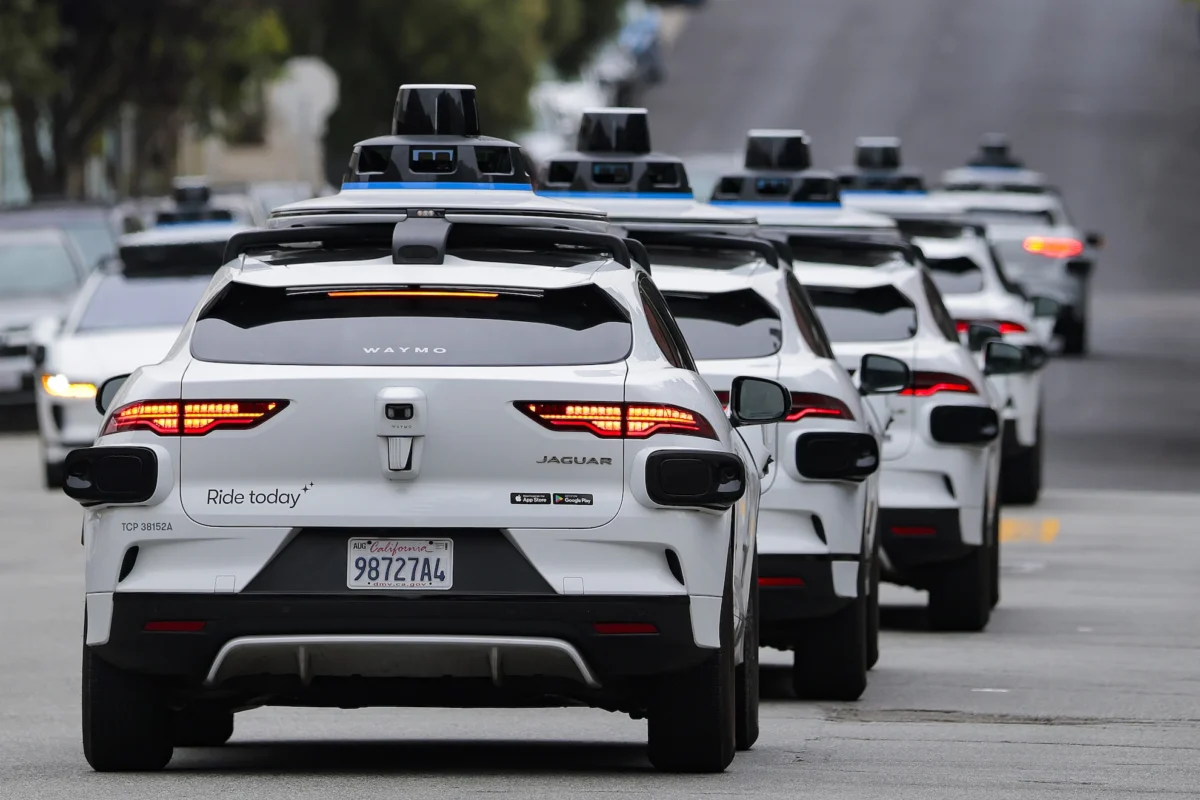
San Francisco’s streets, increasingly a proving ground for autonomous vehicle technology, witnessed a temporary disruption to Waymo’s robotaxi service on July 18, 2026, when a significant power outage struck the city. The Alphabet-owned company, a pioneer in self-driving technology, confirmed it had made "temporary adjustments" and paused its operations for approximately one hour while monitoring local conditions and coordinating with city officials. This latest incident, which affected roughly 7,000 PG&E customers across various San Francisco neighborhoods, underscores the intricate dependencies of advanced mobility solutions on traditional urban infrastructure and has once again fueled the ongoing debate surrounding the operational resilience and regulatory oversight of autonomous vehicles (AVs) in dynamic metropolitan environments.
The Interruption and Swift Resumption
The disruption began around 12:30 PM PDT on July 18, 2026, when a power outage, attributed to PG&E, plunged parts of San Francisco into darkness. The extent of the outage quickly became apparent, impacting thousands of residents and businesses. In response, Waymo, which has steadily expanded its fully autonomous ride-hailing service in the city, initiated a temporary pause in its operations. Customers attempting to hail a Waymo vehicle received notifications indicating that service was "temporarily paused" and that "freeway routes are unavailable," as evidenced by screenshots shared on social media platforms.
Upon initial inquiry from TechCrunch, a Waymo spokesperson provided a concise statement: "We are making temporary adjustments to our service while we monitor local conditions. We know riders depend on us, and we will return to normal operations as soon as possible." This initial response highlighted the company’s cautious approach to unforeseen external factors that could compromise safety or operational efficiency. Within a short period, Waymo followed up with an additional statement, clarifying the decision-making process: "The company decided to pause service for approximately one hour to assess the scale of the power outage affecting a large portion of San Francisco and coordinate with local officials." This strategic, albeit brief, halt was a proactive measure, demonstrating an emphasis on safety and situational awareness rather than attempting to navigate potentially compromised environments. By early afternoon, service had largely resumed, reflecting Waymo’s ability to quickly evaluate and adapt to changing conditions. However, the incident, though resolved swiftly, served as a potent reminder of the fragility of even the most advanced technological systems when confronted with basic infrastructure failures.
The power outage itself, impacting a substantial segment of San Francisco’s population, created a ripple effect across various sectors. For PG&E, the utility provider, such incidents trigger standard emergency response protocols aimed at identifying the fault, isolating the affected areas, and restoring power safely and efficiently. While the immediate cause of this particular outage was not detailed, typical causes range from equipment failure and underground cable faults to external factors like construction accidents or even animal interference. The scale of 7,000 customers losing power indicates a localized but significant event, requiring coordinated efforts from emergency services, city planning, and utility crews. The temporary cessation of Waymo’s service, therefore, was not an isolated event but a direct consequence of a broader infrastructural challenge that impacts all facets of urban life, including nascent autonomous transportation networks.
A Pattern of Disruption: Waymo’s Past Challenges
This recent service interruption due to a power outage is not an isolated event for Waymo in San Francisco. The company has encountered similar challenges in the past, leading to service suspensions and, at times, public frustration. These previous incidents have collectively built a narrative around the vulnerability of autonomous vehicles to unpredictable urban conditions and infrastructure failures, prompting increased scrutiny from both the public and regulatory bodies.
One notable incident occurred in December 2025, when a widespread blackout in San Francisco caused a number of Waymo vehicles to stall on city streets. This event highlighted a critical operational vulnerability: while Waymo vehicles are equipped with backup power systems for essential functions, a prolonged or widespread power loss can disrupt the communication networks and mapping infrastructure they rely on for navigation and remote assistance. During that blackout, several Waymo vehicles reportedly became immobilized, creating minor traffic obstructions and requiring human intervention to clear. The sight of driverless cars stranded during a city-wide power failure quickly became a symbol for critics arguing against the rapid deployment of AV technology without robust contingency plans. The public perception of AVs as infallible or entirely self-sufficient was challenged, demonstrating that even advanced AI-driven systems are fundamentally tied to the reliability of external services.
Another incident that garnered significant attention involved a Fourth of July fireworks show, likely in 2026 given the article’s context. During this major public event, which typically draws massive crowds and creates unique traffic dynamics, Waymo vehicles experienced difficulties, leading to what was described as a "traffic paralysis." The challenges in this scenario were likely multifaceted: a combination of dense pedestrian traffic, unpredictable human behavior, altered road conditions (e.g., temporary closures, emergency vehicle movements), and potentially degraded communication signals due to network congestion. Autonomous vehicles, while adept at following pre-programmed rules and reacting to static obstacles, can struggle with the fluid, chaotic, and often irrational behavior characteristic of large-scale human gatherings. The incident during the fireworks show further amplified concerns about the ability of AVs to operate safely and efficiently during planned major events or unplanned emergencies, where human drivers often rely on intuition, context, and direct communication to navigate complex situations.
These recurrent episodes underscore a fundamental tension in the deployment of autonomous technology: the desire for seamless, always-on service versus the inherent limitations when core infrastructure fails or when the operational environment becomes excessively complex. Waymo, like other AV developers, invests heavily in redundancy and fail-safe mechanisms. However, the sheer unpredictability of urban environments means that every new scenario tests the limits of these systems. Each incident, regardless of its severity, contributes to a growing body of data that informs both the technological refinement of AVs and the regulatory frameworks governing their operation. The challenge lies not just in preventing such occurrences, but in developing robust, transparent, and effective response protocols when they do happen, minimizing disruption and ensuring public safety.
Regulatory Scrutiny and Calls for Stricter Oversight
The recurring operational challenges faced by autonomous vehicle services like Waymo in San Francisco have inevitably intensified regulatory scrutiny, culminating in vocal demands for stricter oversight from city officials. San Francisco Mayor Daniel Lurie has been a prominent voice in this discussion, publicly advocating for tougher state regulations to "adequately address how autonomous vehicles operate during major incidents, planned or not." His statements reflect a growing sentiment among municipal leaders who feel that current regulatory frameworks, primarily established at the state level, do not sufficiently empower local authorities to manage the integration of AVs into their city’s complex ecosystem.
Mayor Lurie’s push for enhanced regulations stems from the direct impact these incidents have on urban life. When Waymo vehicles stall during a blackout or contribute to traffic paralysis during a public event, they become more than just technological novelties; they become public safety and logistical challenges. The mayor’s office is concerned with maintaining emergency vehicle access, ensuring smooth traffic flow, and minimizing disruption to residents and businesses. He has likely called for specific provisions such as mandatory human remote assistance during widespread outages, real-time data sharing with city emergency services, better communication protocols between AV operators and municipal incident command centers, and potentially geo-fencing limitations during high-risk periods or events. The objective is to prevent AVs from exacerbating emergency situations or becoming obstacles themselves.
The broader regulatory landscape for autonomous vehicles in California is complex, involving multiple state agencies. The California Public Utilities Commission (CPUC) is responsible for regulating ride-hailing services, including autonomous ones, issuing permits for passenger transport and overseeing operational safety. The Department of Motor Vehicles (DMV) handles the permitting of autonomous vehicle testing and deployment on public roads, focusing on vehicle safety and driver (or lack thereof) licensing. While both agencies have established rules, critics argue that these regulations were not initially designed to fully anticipate the nuances and potential challenges of widespread, fully driverless operations in dense urban environments. There’s an ongoing tension between state agencies, which tend to support technological innovation and statewide consistency, and local municipalities, which bear the brunt of operational challenges and public safety concerns.

This regulatory debate is not unique to San Francisco; cities across the globe grappling with AV deployment face similar questions. The core of the issue revolves around balancing the potential benefits of AV technology—such as increased safety (theoretically, by eliminating human error), reduced traffic congestion, and improved accessibility—with the imperative to ensure public safety and maintain urban functionality. Public safety concerns are amplified by the novelty of the technology. While human-driven vehicles cause far more accidents and disruptions, society has established protocols and expectations for them. For AVs, the public holds them to an arguably higher standard, and any incident, however minor, can significantly erode public trust and fuel skepticism. This makes the development of transparent, robust, and adaptable regulatory frameworks crucial for the successful long-term integration of autonomous vehicles into urban infrastructure. The calls from Mayor Lurie and other city officials are a clear signal that the regulatory environment must evolve concurrently with the technology itself, prioritizing the unique needs and challenges of urban communities.
The Technical Resilience of Autonomous Systems
The incidents involving Waymo’s robotaxi service during power outages and large public events vividly underscore a critical aspect of autonomous vehicle deployment: their inherent dependence on a vast network of external infrastructure and the crucial need for technical resilience. While autonomous vehicles are marvels of engineering, integrating sophisticated sensors, AI algorithms, and high-precision mapping, they are not entirely self-contained entities. Their ability to operate safely and effectively is inextricably linked to the reliability and functionality of the surrounding urban environment.
Autonomous vehicles, particularly those operating in a ride-hailing capacity, rely heavily on a robust and consistent power supply, not just for the vehicles themselves (which are predominantly electric), but also for the extensive support infrastructure. This includes charging stations, data centers for processing real-time sensor data and map updates, and communication networks that enable vehicles to interact with central dispatch, remote human assistance teams, and other connected infrastructure. A widespread power outage, as experienced in San Francisco, can directly impact all these components. While individual Waymo vehicles possess onboard battery systems for sustained operation and fail-safe modes, a prolonged or geographically extensive outage can degrade the reliability of cellular networks, GPS signals, and local Wi-Fi, all of which contribute to the vehicle’s situational awareness and ability to communicate.
The question of why a power outage affects Waymo goes beyond merely the inability to charge. Modern AVs operate within a complex "system of systems." They constantly process vast amounts of data from their lidar, radar, cameras, and ultrasonic sensors, cross-referencing this with highly detailed, real-time maps. These maps are not static; they are continuously updated with information about road conditions, temporary closures, and traffic patterns, often relying on cloud-based processing. A disruption to the power grid can impact the data centers that host these maps and processing capabilities, potentially delaying critical updates or rendering parts of the mapping system inaccessible. Furthermore, in scenarios where an AV encounters an ambiguous situation, it may "call for help" from a remote human operator. These operators rely on robust internet connectivity and power at their command centers to provide guidance or take remote control. If the local grid is down, or if connectivity is compromised, this critical safety fallback mechanism can be hindered.
Waymo’s operational strategy emphasizes safety and a gradual, cautious expansion. This strategy includes extensive testing, redundancy in sensor arrays, and sophisticated software that prioritizes safe stopping over attempting to navigate uncertain conditions. When a power outage occurs, the system’s inherent safety protocols likely trigger a sequence of actions: first, to assess the integrity of its operational environment (e.g., are traffic lights working? Is communication stable?). If these checks fail or indicate a significant risk, the vehicle’s default mode is to pull over safely to the side of the road and await further instructions or human intervention. This explains why vehicles might stall during a blackout – it’s a designed fail-safe, not necessarily a malfunction in the traditional sense, but it still leads to operational paralysis.
The incidents highlight the need for AV developers and city planners to collaborate on building infrastructure that is not only smart but also resilient. This includes investing in grid modernization, ensuring redundant communication networks, and developing protocols for AVs to operate in degraded environments. The technical resilience of autonomous systems is not solely about the vehicle itself; it’s about the resilience of the entire ecosystem it operates within, from the power grid to communication infrastructure and emergency response capabilities. Each incident, therefore, provides invaluable data points for Waymo and the broader AV industry to further harden their systems against unforeseen urban challenges.
Implications for the Future of Autonomous Mobility
The recurring incidents involving Waymo’s robotaxi service in San Francisco, particularly the recent power outage-induced pause, carry significant implications for the future trajectory of autonomous mobility. These events illuminate the delicate balance required between technological innovation, public safety, and the seamless integration of AVs into complex urban environments. The journey towards widespread autonomous transportation is not merely a technological race but a multifaceted challenge that encompasses regulatory evolution, public acceptance, and infrastructural readiness.
One of the foremost implications is the persistent tension between the rapid deployment of new technology and the imperative to ensure public safety. While AV companies like Waymo often highlight the long-term safety benefits of autonomous driving by eliminating human error, each incident, regardless of its cause or severity, fuels skepticism and underscores the need for meticulous validation. The public, often unfamiliar with the intricacies of AV technology, tends to judge the entire industry based on visible disruptions. This necessitates a proactive approach from AV developers, not only in refining their technology but also in transparently communicating their safety protocols, incident response plans, and the inherent limitations of current systems.
The incidents also underscore the critical role of city-AV collaboration. As autonomous vehicles become more embedded in urban transportation networks, the need for robust, real-time communication and coordination between AV operators and municipal emergency services becomes paramount. Cities require assurances that AVs will not hinder emergency response, exacerbate traffic problems during crises, or become liabilities during infrastructure failures. This means developing standardized protocols for data sharing, incident reporting, and collaborative crisis management. Such partnerships are essential to build trust, address local concerns, and ensure that AV deployment contributes positively to urban functionality rather than creating new challenges.
Public perception and adoption remain significant hurdles. While early adopters may be enthusiastic, widespread public acceptance hinges on consistent reliability and a demonstrated commitment to safety. Recurrent incidents, even if minor from a technical standpoint, can erode public confidence, making it harder for AV companies to expand their services and gain the social license to operate. This, in turn, can accelerate regulatory intervention, potentially leading to more restrictive operating conditions or slower deployment timelines, impacting the economic viability of these services. For Waymo, as a frontrunner in the space, maintaining a pristine safety record and demonstrating robust resilience is crucial for its brand and the broader industry’s trajectory.
Economically, service disruptions, even brief ones, have consequences. They can lead to lost revenue for the AV operator, inconvenience for customers who rely on the service, and potentially increased operational costs due to human intervention or recovery efforts. If these incidents become frequent, they could deter potential users, attract fines from regulators, and ultimately impact the business model of autonomous ride-hailing services. The long-term economic promise of AVs—reduced operational costs, increased efficiency—can only be realized if the technology proves consistently reliable in diverse, real-world conditions.
In conclusion, the temporary halt of Waymo’s robotaxi service in San Francisco due to a power outage serves as a potent reminder of the complex interplay between cutting-edge technology and fundamental urban infrastructure. It highlights the ongoing need for AV companies to not only innovate technologically but also to build systems that are inherently resilient to external disruptions. Simultaneously, it reinforces the calls from city officials like Mayor Daniel Lurie for robust regulatory frameworks that ensure public safety and smooth urban functioning. The future of autonomous mobility hinges on successfully navigating these intertwined challenges, fostering greater collaboration between industry and government, and building public trust through transparent and consistently reliable operations. As autonomous vehicles become an increasingly integral part of our cities, their ability to adapt and perform flawlessly, even in the face of unexpected adversities, will be the true measure of their success.