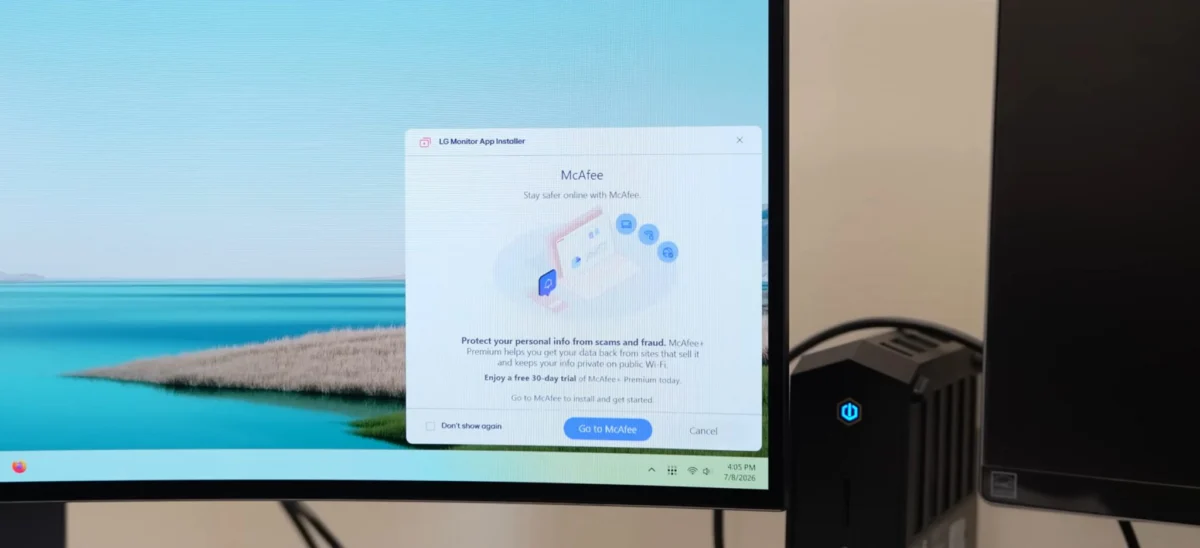
A significant controversy has erupted concerning LG’s Monitor App Installer, which users report is being installed on their systems without explicit consent, subsequently pushing advertisements and collecting extensive personal data. This unsolicited software, identified by numerous users and highlighted by tech investigative channels like Gamers Nexus, has raised serious privacy concerns, particularly given that it affects high-end monitors, some costing upwards of $1,000. The incident spotlights broader questions about manufacturers’ practices regarding companion applications, the permissions these apps demand, and the role of operating systems like Windows in facilitating their installation.
The Unwelcome Intrusion: Details of the LG Monitor App Installer
The core of the issue lies in the discovery of the "LG Monitor App Installer" on users’ Windows systems without any prior prompt, notification, or request for permission. Once installed, this application reportedly begins to display advertisements, disrupting the user experience on what are often premium, professional-grade displays. The user experience is further compounded by the app’s alarming permissions. As detailed by a user identified as Burke, who investigated the app, it "technically possesses permission to use ‘all system resources’" and is authorized to "collect geolocation, device data, online activity, contacts, user credentials, transactions, and more." This level of access, granted without explicit user opt-in, represents a profound invasion of privacy and a significant security risk. For consumers investing substantial sums in high-quality monitors, the expectation is a clean, focused display experience, not one marred by uninvited ads and pervasive data harvesting. The financial outlay for these monitors makes the coercive installation of adware particularly egregious, transforming a premium hardware purchase into a potential conduit for commercial exploitation.
A History of Covert Installations: Timeline and Expansion
The practice of unsolicited software installation by LG monitors appears to have a longer, more insidious history than initially perceived, and has seemingly expanded its reach recently. Burke noted that he only recently started observing the pop-up ads on LG monitors he had purchased as far back as three years ago, suggesting either a delayed activation of the ad-serving functionality or a recent update that enabled it. This phased rollout or retroactive activation of intrusive features further complicates user awareness and consent. The lack of transparency surrounding when and how these features are deployed means users are constantly in the dark about their privacy posture. While a definitive timeline of the initial deployment of the "LG Monitor App Installer" remains elusive, the recent surge in user complaints and media attention indicates a broadening scope of affected devices and a more aggressive posture from the application itself. Gamers Nexus, a prominent tech media outlet, has been instrumental in publicizing these user complaints, listing several monitor models that are reportedly auto-installing the LG Monitor App Installer onto PCs. These include various models, though the full extent of affected devices remains unclear, with some speculating that the issue might be more widespread given Microsoft’s underlying policies.
Microsoft’s Role and the UWP Device App Framework
A critical aspect of this controversy involves Microsoft’s policies regarding Universal Windows Platform (UWP) device apps. The "LG Monitor App Installer" is listed on the Microsoft Store, with a description claiming it allows users to "easily install and use apps supported by your monitor." Notably, McAfee is explicitly mentioned as one of the apps supported by this installer, suggesting a potential partnership or bundling arrangement that further monetizes the unsolicited installation.
The mechanism behind these automatic installations points directly to Microsoft’s developer guidelines. According to a Microsoft support page for Windows developers, UWP device apps are permitted to "automatically install when the user connects their device to the PC." This occurs under specific conditions: if the user has not opted out of "Recommended Settings" during the initial Windows installation or setup, and if they are connected to the Internet and signed into the Microsoft Store. Crucially, Microsoft’s own documentation acknowledges the potential for negative user experience, stating: "The automatic installation feature does not provide a notification to the user when the app is installed. Some users may find this experience confusing and frustrating and give your app a bad rating." This admission highlights a known vulnerability in the user experience design, where convenience for developers and manufacturers overrides user control and transparency. The implicit consent obtained through "Recommended Settings" is a broad blanket permission that many users may not fully understand or actively choose, creating an environment ripe for the installation of unwanted software.
Echoes from the Industry: Precedents of Bloatware Installation
While the LG Monitor App Installer incident is particularly jarring due to the premium nature of the hardware involved, the practice of hardware vendors automatically installing unwanted software is not new. The tech industry has a history riddled with similar controversies, where device companion apps morph into bloatware or adware.
- Razer: Known for its gaming peripherals, Razer has faced criticism for its software suite automatically installing upon connecting devices, sometimes leading to performance issues or unwanted processes.
- Logitech: Another giant in gaming and productivity peripherals, Logitech has also drawn fire for its software installing a significant amount of "bloatware" that users did not explicitly request.
- Asus: Motherboard manufacturers like Asus have been criticized for bundling unwanted software and utilities that automatically install, often without clear opt-out options during the initial setup of a new PC.
- Gigabyte: Similarly, Gigabyte motherboards have been reported to install bloatware without explicit user consent, adding unnecessary applications to users’ systems.
These instances underscore a systemic issue within the hardware industry where manufacturers leverage device connectivity to push their software ecosystems, often at the expense of user control and system integrity. However, the case of monitors is arguably more egregious. Unlike a gaming mouse or keyboard, which often requires proprietary software for customization (DPI settings, macros, RGB lighting), a monitor generally functions perfectly as a plug-and-play device. Its primary utility is to display an image. The necessity of a "companion app" for a monitor is questionable at best, making the forcible installation of LG Monitor App Installer seem particularly invasive and commercially driven rather than functionally essential.
The Scope of Data Collection and Privacy Implications
The permissions sought by the LG Monitor App Installer are deeply concerning from a privacy perspective. The app’s ability to access "all system resources" grants it an extremely broad footprint on a user’s computer, potentially allowing it to monitor or interfere with nearly any process. More specifically, the collection of "geolocation, device data, online activity, contacts, user credentials, transactions, and more" paints a picture of comprehensive user profiling.
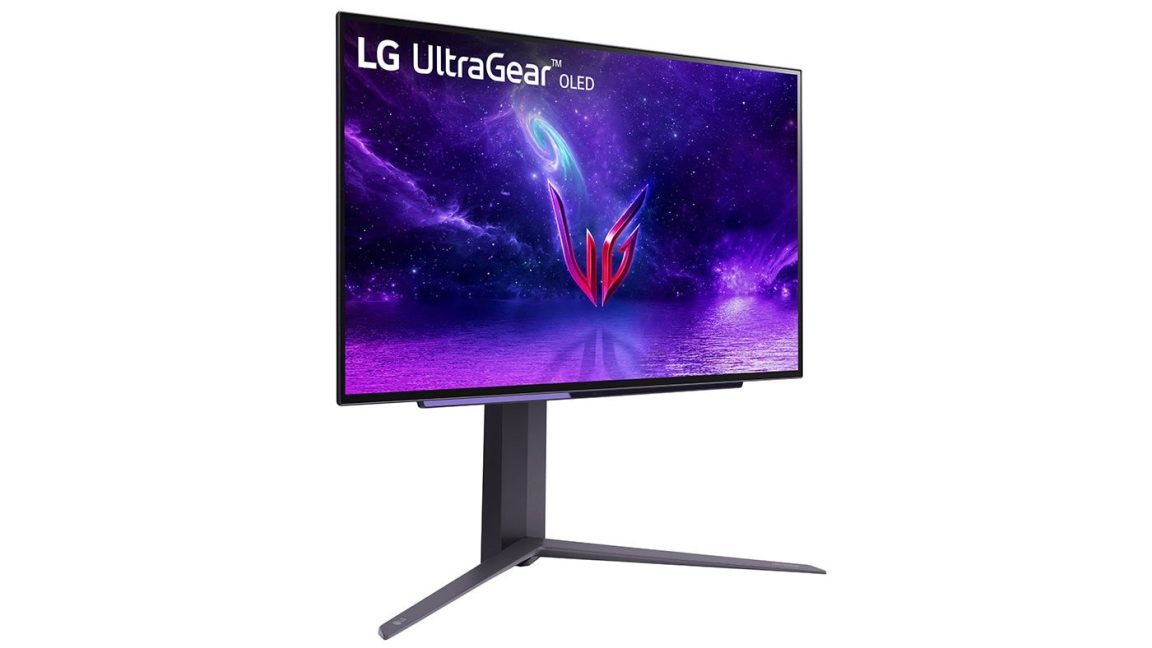
- Geolocation: Could track a user’s physical movements or location of their devices.
- Device Data: Includes hardware specifications, installed software, operating system details, offering a detailed fingerprint of the user’s computing environment.
- Online Activity: Potentially encompasses browsing history, app usage, and network traffic, creating a profile of online behavior and interests.
- Contacts and User Credentials: This is perhaps the most alarming, as access to contacts could lead to spamming or phishing attempts, while access to user credentials (even if encrypted) represents a significant security vulnerability, making users susceptible to identity theft or unauthorized access to other services.
- Transactions: Could reveal financial habits, purchasing patterns, and other sensitive economic data.
The aggregation of such diverse and intimate data points allows LG, or any third party with whom LG shares this data, to build incredibly detailed profiles of its users. This data can then be monetized through targeted advertising, sale to data brokers, or even used for other, less transparent purposes. The potential for misuse, accidental data breaches, or unauthorized access to this vast repository of personal information poses substantial risks to consumers, eroding trust in device manufacturers and the broader digital ecosystem.
User Backlash and Expert Commentary
The revelation of LG’s practices has triggered significant backlash from the user community, particularly among tech enthusiasts and privacy advocates. Forums, social media, and dedicated tech channels like Gamers Nexus have become platforms for users to share their experiences, frustrations, and attempts to mitigate the issue. The sentiment is overwhelmingly negative, characterized by feelings of betrayal, anger, and a sense that their expensive hardware purchases are being devalued by unwanted commercial intrusions.
From an expert perspective, digital ethics and privacy researchers would likely categorize this practice as highly problematic. It violates principles of informed consent, user control, and data minimization. The lack of transparency surrounding the installation and data collection practices falls short of established ethical guidelines for digital interactions. The incident serves as a stark reminder of the "privacy paradox," where users express concern about privacy but often lack the tools or knowledge to protect it effectively, especially when practices are embedded deeply within system configurations or device firmware.
Official Responses and Lack Thereof
In response to inquiries about the "LG Monitor App Installer," its purpose, the specific monitors affected, and the privacy concerns it raises, Ars Technica reportedly reached out to LG. While a company representative acknowledged receipt of these questions, no official response was provided ahead of publication. This lack of immediate transparency and public explanation from LG further exacerbates user frustration and fuels speculation about the company’s intentions. In a rapidly evolving news cycle, a delayed or absent response from a major corporation can significantly damage its reputation and deepen consumer mistrust. The silence, in this context, is interpreted by many as an unwillingness to address legitimate concerns or an admission of practices that are difficult to defend publicly.
Navigating the Digital Landscape: Recommendations for Users
For users concerned about the "LG Monitor App Installer" and similar bloatware, several steps can be taken, though they may not always be straightforward:
- Check for Installed Apps: Regularly review the list of installed applications in Windows Settings or Control Panel for unfamiliar programs.
- Manage App Permissions: In Windows 10/11, users can often manage app permissions individually for location, microphone, camera, etc. While "all system resources" is broad, checking specific data access permissions might offer some control.
- Disable Auto-Installation: During Windows setup, opt out of "Recommended Settings" if possible, or review privacy settings thoroughly.
- Firewall Rules: Consider creating firewall rules to block outgoing connections from suspicious applications, though this requires technical expertise.
- Seek Removal Tools: For known bloatware, community-developed scripts or uninstallation tools might exist, but users should exercise caution and verify their legitimacy.
- Provide Feedback: Report unwanted software to Microsoft and the device manufacturer.
Broader Industry and Regulatory Implications
The LG Monitor App Installer incident, coupled with historical precedents, necessitates a critical examination of industry practices and potentially calls for stronger regulatory oversight. The "questions about what Windows permits from peripherals’ companion apps" are central. Microsoft, as the operator of the dominant desktop operating System, holds significant power in shaping the digital ecosystem. Its UWP device app policy, while intended to streamline device integration, currently creates a loophole for non-consensual software installation.
This situation could prompt:
- Stricter OS Policies: Calls for Microsoft to revise its UWP device app policies to mandate explicit, granular user consent before any software, especially one with broad permissions and ad-serving capabilities, is automatically installed.
- Increased Transparency: Manufacturers should be required to clearly disclose all bundled software, its purpose, and its data collection practices at the point of purchase and during installation.
- Consumer Protection: Regulatory bodies in various countries (e.g., FTC in the US, GDPR in Europe) might investigate whether such practices violate consumer protection laws or data privacy regulations, especially concerning unsolicited data collection.
- Industry Standards: The tech industry might be pressured to develop voluntary best practices for companion apps, focusing on user experience, privacy by design, and opt-in consent models.
The implications extend beyond individual privacy. Such practices erode consumer trust, complicate IT management for businesses, and contribute to a perception of hardware manufacturers prioritizing revenue streams over user rights.
The Future of Device Integration and User Trust
In an increasingly interconnected world, where smart devices and companion apps are becoming ubiquitous, the relationship between hardware manufacturers, software developers, and end-users must be founded on trust and transparency. The LG Monitor App Installer controversy serves as a crucial reminder that convenience should not come at the expense of privacy and user control. As consumers invest in more sophisticated and expensive technology, their expectation for a clean, secure, and respectful digital experience grows. The path forward for manufacturers like LG, and platform providers like Microsoft, involves re-evaluating their policies and practices to ensure that device integration enhances, rather than compromises, the user’s autonomy and digital well-being. Failure to do so risks further alienation of their customer base and potentially invites more stringent regulatory interventions.