GENEVA, SWITZERLAND – July 24, 2024 – In a critical move to address a persistent and largely preventable global health threat, the World Health Organization (WHO) today unveiled a comprehensive new technical package designed to empower governments and communities in their fight against drowning deaths. The initiative, branded as "PROTECT," offers seven evidence-based strategies aimed at significantly reducing the alarming toll of drownings worldwide, a crisis exacerbated by the escalating impacts of climate change.
The launch comes just days before World Drowning Prevention Day on July 25th, an annual observance dedicated to raising awareness and promoting action against drowning. This year’s theme, "Unite to turn the tide," underscores the urgent need for a coordinated, multi-sectoral approach to tackle this global killer.
The Scale of the Drowning Crisis
Globally, drowning claims the lives of nearly 300,000 individuals each year, a staggering figure that positions it among the top ten leading causes of death for children aged 5 to 14 years. These tragic fatalities are not confined to specific regions or circumstances; they occur in a variety of aquatic environments, including rivers, lakes, wells, domestic water storage containers, and swimming pools. Alarmingly, more than 90% of these preventable deaths are concentrated in low- and middle-income countries, highlighting a significant disparity in vulnerability and access to safety measures.
The WHO’s commitment to addressing this issue is rooted in a growing understanding of its multifaceted nature. The organization’s first-ever Global Strategy for Drowning Prevention, launched in 2025 by the WHO-hosted Global Alliance for Drowning Prevention, laid the groundwork for practical, actionable policy guidance. The new PROTECT technical package translates this vision into concrete, evidence-informed recommendations across seven interconnected domains, providing a clear roadmap for strengthening water safety.
Climate Change: A Growing Menace
Adding a layer of urgency to the drowning crisis is the undeniable impact of climate change. Increasingly frequent and intense extreme weather events, such as floods, storms, and heatwaves, are directly contributing to a heightened risk of drowning. Scientific studies have established a strong correlation between rising temperatures and drowning incidents. For instance, research conducted in the United Kingdom revealed that drowning deaths escalate by 7.2% for every one-degree Celsius increase in ambient temperature. The risk is further amplified on hotter days; studies indicate that drowning incidents are nearly five times more likely to occur on days when temperatures exceed 25°C compared to days below 10°C. This phenomenon is particularly concerning as heatwaves become more common and severe, pushing more people towards natural water bodies in search of relief, often without adequate safety precautions.
The PROTECT Framework: Seven Proven Strategies
The PROTECT technical package, developed through extensive research and collaboration, outlines seven key strategies designed for practical implementation by governments and communities. While the specific details of each strategy within the package are extensive, the overarching aim is to create a multi-layered defense against drowning. These strategies are intended to be adaptable to local contexts and resource availability, ensuring their applicability across diverse settings. The acronym PROTECT itself signifies a comprehensive approach to safeguarding lives around water.
“Every drowning is a tragedy, and most are preventable,” stated Dr. Tedros Adhanom Ghebreyesus, WHO Director-General, in a statement accompanying the launch. “The seven PROTECT strategies give countries practical, evidence-based approaches to prevent these tragedies, including making water transport safer, teaching school kids to swim, and preparing for floods. Drowning prevention isn’t the job of one ministry; it belongs to everyone, and the lives it saves are the reward.”
Ghana: A Beacon of Commitment
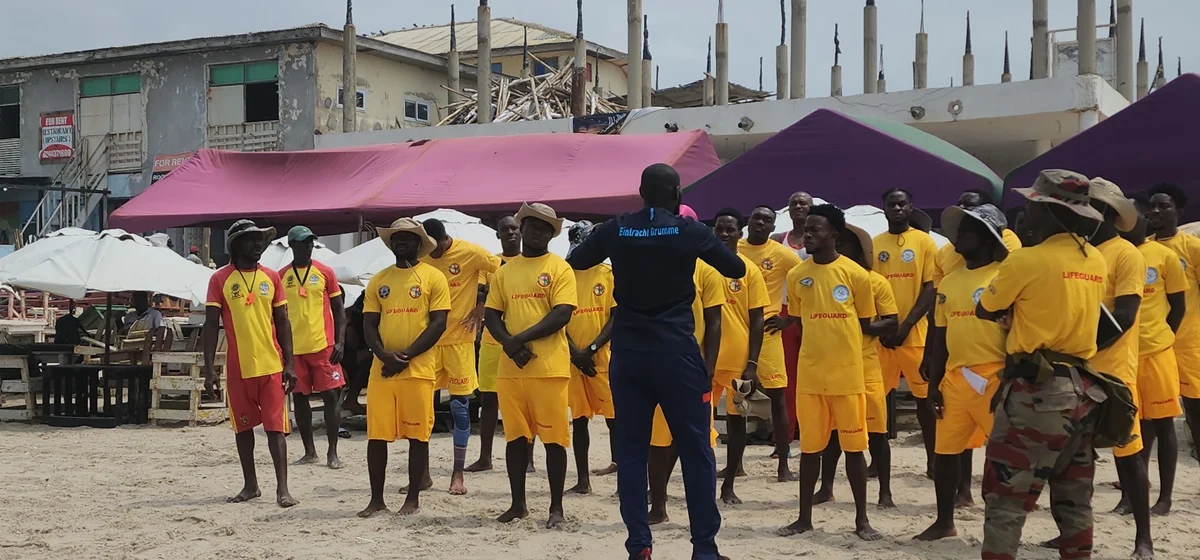
The launch of the PROTECT package is being notably held in Ghana, a nation recognized for its burgeoning political will to combat drowning and its ongoing efforts to enhance water safety measures. In Ghana, an estimated 1,100 people succumb to drowning annually, with children and young adults bearing a disproportionate burden of these fatalities. This translates to an average of three deaths every single day, a stark reminder of the immediate need for effective interventions.
Ghana’s proactive stance and commitment to implementing evidence-based drowning prevention policies are being highlighted through this launch. The country’s efforts serve as an inspiration and a call to action for other governments worldwide to prioritize drowning prevention and protect their vulnerable populations. This initiative underscores Ghana’s growing leadership in addressing this preventable public health crisis and its dedication to safeguarding its citizens.
A Decade of Collaborative Action
The development and rollout of the PROTECT technical package are built upon more than a decade of sustained collaboration between the WHO, national governments, and various partner organizations. This long-standing partnership has been instrumental in advancing evidence-based drowning prevention actions on a global scale, fostering knowledge exchange, and supporting the implementation of effective interventions.
Dr. Kelly Henning, who leads the public health program at Bloomberg Philanthropies, a key partner in this endeavor, expressed her organization’s strong support for the initiative. "This framework will save lives while building on the progress governments around the world are making to prevent drowning deaths in their countries," Dr. Henning remarked. "Bloomberg Philanthropies has worked with governments worldwide to implement proven, effective strategies that reduce drowning deaths. We applaud the World Health Organization for its leadership on this issue and look forward to continuing to support it and local governments as they use the PROTECT technical package."
Bloomberg Philanthropies has been a consistent supporter of WHO’s drowning prevention efforts since 2014, contributing to the creation of foundational resources that have guided global best practices. Their support has been crucial in developing tools like the PROTECT technical package, which aims to standardize and amplify successful prevention strategies.
Implications and the Path Forward
The PROTECT technical package represents a significant step forward in the global effort to reduce drowning deaths. By providing governments with practical, evidence-based tools, the WHO is empowering them to move beyond awareness campaigns and implement concrete, life-saving interventions. The package’s emphasis on interconnected domains suggests a holistic approach, recognizing that effective drowning prevention requires action across multiple sectors, including public health, education, infrastructure, and disaster management.
The implications of this initiative are far-reaching. For low- and middle-income countries, where the burden of drowning is highest, the PROTECT package offers a much-needed framework to build robust national drowning prevention programs. The focus on adapting strategies to local contexts is particularly important, acknowledging that what works in one region may need modification elsewhere.
Furthermore, the integration of climate change considerations into drowning prevention strategies is a critical development. As the world grapples with the escalating impacts of a changing climate, proactive measures to mitigate associated risks, such as increased flooding and extreme weather events, are paramount. The PROTECT package’s inclusion of strategies for flood preparedness and response is therefore highly timely and relevant.
The success of the PROTECT package will ultimately depend on the commitment of national governments and the active engagement of communities. The WHO’s call for unified action, reflected in the World Drowning Prevention Day theme, is a reminder that preventing drowning is a shared responsibility. By working together, pooling resources, and implementing evidence-based strategies, the global community can indeed "turn the tide" on this preventable tragedy and save countless lives. The ongoing collaboration between the WHO, governments, and philanthropic organizations like Bloomberg Philanthropies provides a strong foundation for achieving this vital objective. The coming years will be crucial in demonstrating the widespread adoption and effectiveness of the PROTECT technical package in communities around the world.