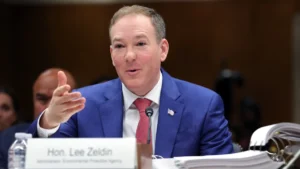
Washington — The prospects for renewing the United States’ cornerstone agricultural policy grew increasingly bleak this week, as deep partisan divisions over federal nutrition assistance and conservation funding threaten to stall the federal farm bill for a fourth consecutive year. Despite a flurry of legislative maneuvering in the Senate Agriculture Committee, lawmakers face an uphill battle to secure the necessary votes before the upcoming midterm elections, leaving millions of Americans, rural communities, and agricultural producers in a state of prolonged uncertainty.
The legislative logjam highlights a profound ideological clash over federal spending priorities, pitting Republican majorities against Democratic lawmakers who are refusing to sign off on a package that omits critical fixes to food assistance programs. With time running out on the congressional calendar, agricultural policy experts and industry stakeholders are increasingly resigned to the likelihood that the omnibus legislation will fail to clear Congress this year, extending reliance on stopgap measures that date back to the 2018 farm bill.
A Fractured Path Forward on Capitol Hill
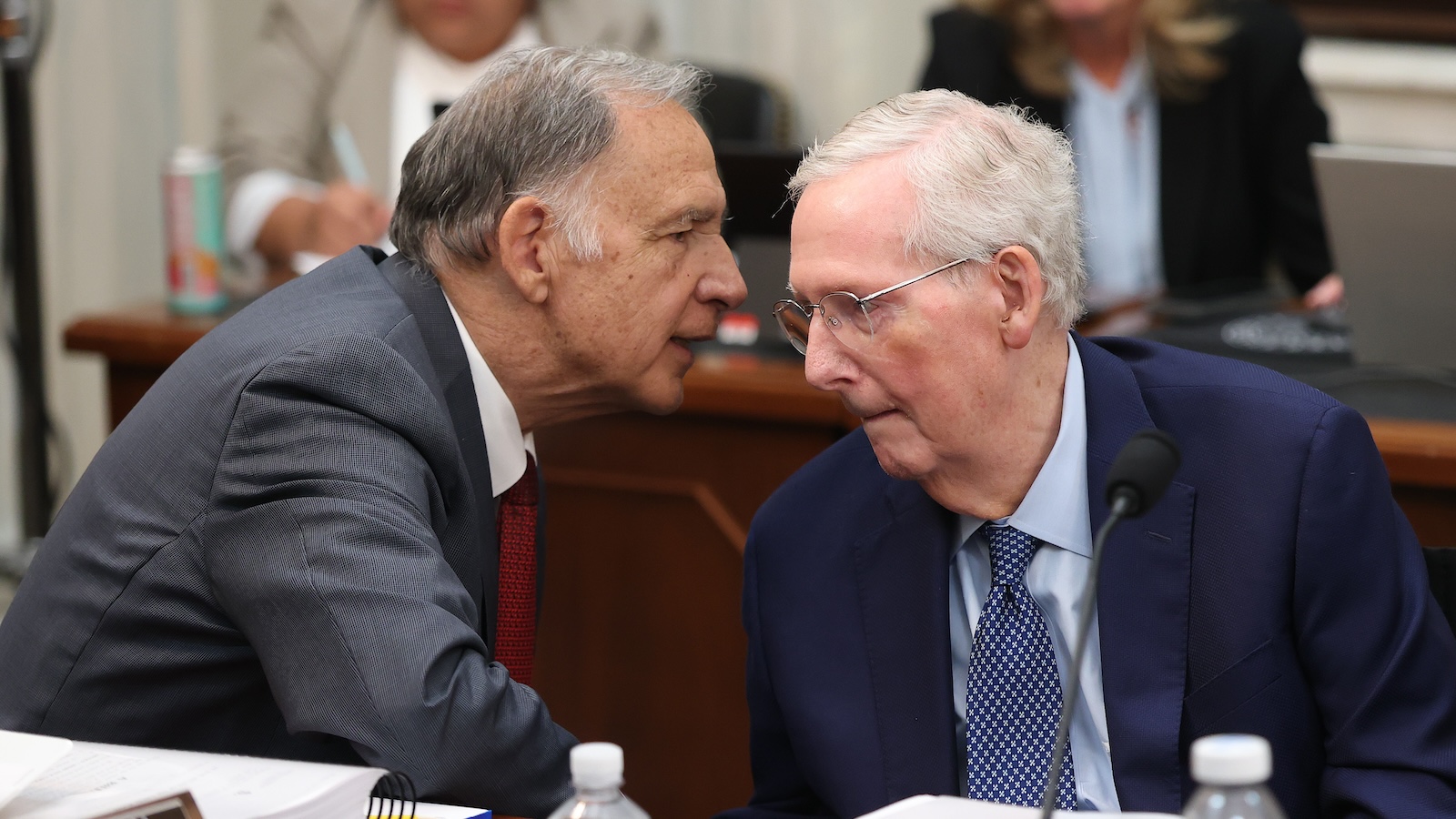
The legislative paralysis came into sharper focus last Tuesday when Senator Mitch McConnell of Kentucky returned to Congress following a three-month absence. McConnell promptly cast a decisive vote within the Republican-led Senate Agriculture Committee, helping advance the chamber’s version of the farm bill. However, this procedural victory did little to clear the broader political hurdles standing in the way of a full Senate floor vote.
The underlying disputes that prompted committee Democrats to block the legislation back in August remain entirely unresolved. Although Republicans hold a narrow 53-seat majority in the Senate, passing major legislation typically requires a 60-vote threshold to overcome procedural filibusters. Consequently, Republican leadership would need to peel off several Democratic votes in a compressed timeframe—a difficult prospect given the looming November midterms and entrenched party lines.
At the heart of the Democratic opposition is the omission of provisions designed to reverse deep cuts to the Supplemental Nutrition Assistance Program (SNAP). Traditionally, the farm bill is renewed every five years, serving as the primary vehicle for both agricultural subsidies and domestic nutrition safety-net policies. However, the political landscape shifted dramatically last summer when President Donald Trump signed into law the One Big Beautiful Bill Act. That sweeping legislation slashed funding for SNAP by an estimated $186 billion, triggering widespread alarm among anti-poverty advocates, public health officials, and rural stakeholders.
The Battle Over Nutrition Funding and Administrative Burdens
Senate Democrats on the Agriculture Committee have drawn a hard line, asserting they will not support any farm bill that fails to restore the slashed SNAP funding. Beyond the headline funding reductions, lawmakers are also fighting to delay a contentious administrative shift that would dramatically increase the financial burden on state governments tasked with running the food assistance program.
Under the current Republican-backed committee draft, states would absorb greater cost-sharing responsibilities for administering SNAP. Policy analysts warn that this shift would force state legislatures into painful budgetary compromises.
"States are going to have to rethink their budgets," said Mike Lavender, policy director for the National Sustainable Agriculture Coalition. "That could mean that states are looking at, ‘Hey, do we fund education at this level or do we fund SNAP? Or do we fund transportation or SNAP?’ So this is forcing really difficult decisions that could impact departments of agriculture at the state level."
These fiscal pressures are expected to reverberate unevenly across the agricultural economy, falling disproportionately on small- and medium-sized farms rather than large corporate agricultural conglomerates. For independent producers already grappling with soaring input costs, such as record-high diesel prices, and volatile international trade markets, the compounding financial strain makes the business of growing food increasingly precarious.
Economic Ripple Effects in Rural Communities
While SNAP is frequently viewed through an urban or suburban lens, agricultural experts emphasize that its impacts are deeply felt in rural America. Food assistance programs inject vital capital into local economies, serving as a primary customer base for rural grocers, farmers’ markets, and regional food producers.
"The farmers in our network live in rural areas," said Jody Osmund, a founding member of the FACE Ag Network, a coalition of pasture-based livestock producers who traveled to Washington, D.C., ahead of the committee vote to lobby lawmakers. "Rural areas have a higher uptake of SNAP participation than urban areas. So it’s hurting our community."
The interdependence between federal nutrition programs and agricultural viability underscores why many farming organizations are increasingly wary of the current legislative package. Without federal support for low-income consumers’ purchasing power, local food ecosystems face diminished demand precisely when production costs are climbing.
Conservation Programs and the Debate Over Sustainability
Beyond nutrition assistance, the Senate farm bill has drawn mixed reactions from agricultural groups regarding its conservation provisions. The current draft includes significant funding cuts to key environmental initiatives, including the Environmental Quality Incentives Program (EQIP) and the Conservation Stewardship Program (CSP).
These programs are designed to help farmers adopt sustainable land-management practices, reduce soil erosion, and mitigate agricultural emissions. However, advocates like Osmund argue that the issue extends beyond mere funding levels, pointing to structural flaws in how conservation dollars are historically allocated.
Osmund contends that federal resources have frequently been directed toward managing animal waste on massive industrial livestock operations rather than fostering genuine climate adaptation and regenerative farming practices on smaller farms. From this perspective, the current bill’s shortcomings offer a silver lining for sustainable agriculture advocates who prefer a flawed status quo over deeply problematic legislative changes.
One notable victory for certain agricultural and animal welfare coalitions in the latest Senate draft was the successful exclusion of the controversial "Save Our Bacon" Act. That provision would have preempted state-level animal welfare laws, making it easier for livestock producers to employ intensive confinement practices. The omission of the bill was welcomed by groups that had lobbied intensively against it in the capital.
Chronology of a Legislative Impasse
The current impasse is the culmination of years of delayed legislative action and shifting political priorities in Washington:
- 2018: Congress passes the previous five-year farm bill, which has since served as the statutory baseline for federal agricultural and nutrition programs through successive extensions.
- 2023–2024: Initial debates over the renewal of the farm bill stall amid partisan polarization over climate mandates, spending caps, and nutrition work requirements.
- Summer 2025: President Donald Trump signs the One Big Beautiful Bill Act, enacting historic cuts to federal social spending, including a $186 billion reduction in SNAP funding.
- August 2025: Senate Democrats on the Agriculture Committee block the chamber’s version of the farm bill from advancing to a full floor vote, citing the lack of SNAP restoration and cost-shifting measures.
- September 2026: Senator Mitch McConnell returns to Congress after a three-month absence, casting a deciding committee vote to advance the farm bill, though prospects for a full floor vote remain dim ahead of the November midterms.
Weighing Bad Deals Versus No Deal
As the legislative clock winds down toward the November midterm elections, political analysts view the probability of passing a comprehensive farm bill in 2026 as virtually nonexistent. For lawmakers, the political costs of forcing a contentious floor vote on a package divided over nutrition cuts and conservation funding outweigh the legislative benefits.
For many agricultural stakeholders, the prospect of failing to pass a new bill—and instead defaulting to another year of stopgap extensions under the 2018 framework—is rapidly becoming the preferred outcome.
"A continuation of the 2018 farm bill may be better," Osmund argued. "It’s not good. It is not ideal, but no deal on the current versions of the farm bill, in our opinion, is much better than a very, very bad deal."
If Congress fails to reach a consensus before the end of the year, lawmakers will be forced to return to the drawing board when the new congressional session convenes in 2027, leaving the future of American agricultural policy, rural economic development, and federal nutrition assistance hanging in the balance once again.