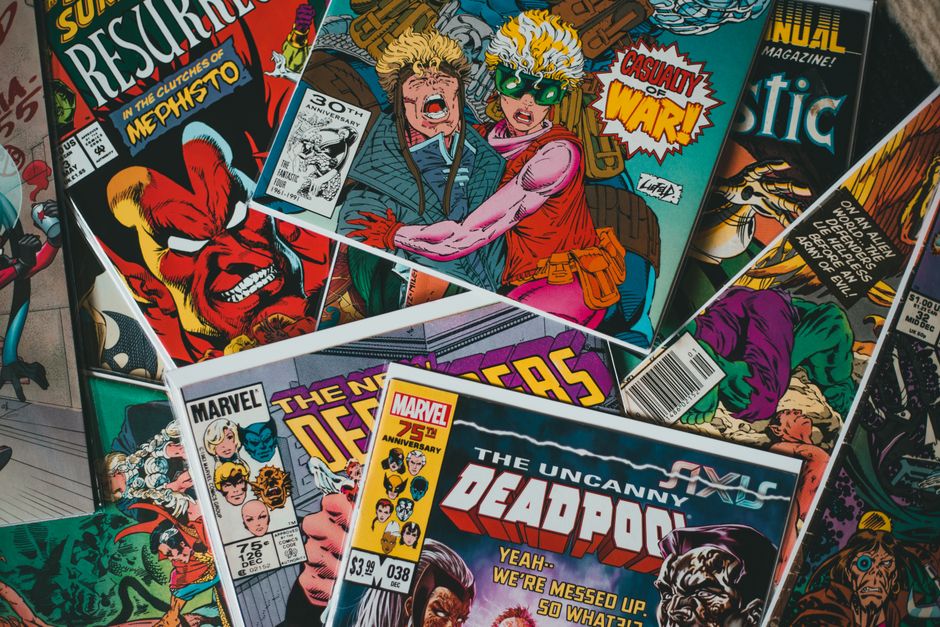
Marvel Comics 3: A Deep Dive into the Iconic Third Wave of Marvel’s Universe
The designation "Marvel Comics 3" isn’t an official in-universe canon, but rather a fan-constructed categorization that encompasses a significant and transformative period in Marvel’s publishing history. This "third wave" typically refers to the era that began roughly in the early 1990s and extended into the early 2000s. It’s a period marked by significant creative shifts, the rise of new superstars, the introduction of groundbreaking characters and storylines, and a dramatic evolution of the Marvel Universe’s aesthetic and thematic concerns. Understanding Marvel Comics 3 requires examining its genesis, key creators, defining titles, pivotal events, and lasting legacy. This era witnessed Marvel grappling with evolving market trends, attempting to recapture the groundbreaking spirit of its early days while simultaneously pushing boundaries in new directions. It was a time of both immense creative output and significant commercial turbulence, ultimately shaping the Marvel we know today.
The genesis of what fans might colloquially term "Marvel Comics 3" can be traced back to the late 1980s, a period where Marvel was still riding the wave of its Silver Age successes but also facing the emerging challenges of a diversifying comic market. The early to mid-90s saw a significant exodus of talent to creator-owned ventures, particularly after the launch of Image Comics in 1992. This departure left a vacuum that Marvel had to fill, leading to the ascendance of a new generation of writers and artists. Simultaneously, Marvel was undergoing significant financial and corporate restructuring, which, while often fraught with difficulty, also created opportunities for fresh creative perspectives. The prevailing artistic style began to shift away from the more grounded realism of the 1980s towards a more dynamic, exaggerated, and often darker aesthetic that would come to define much of the 90s comic landscape. This visual revolution was heavily influenced by the early work of Image founders and their contemporaries, prompting Marvel to foster its own roster of distinctive artistic voices.
Key creators are the bedrock upon which any era of comic book history is built, and Marvel Comics 3 is no exception. This period saw the rise of talents who would become synonymous with the Marvel Universe for years to come. Jim Lee, though he departed for Image, left an indelible mark with his early X-Men work and his co-founding of Image. However, the artists who stayed and defined the Marvel 3 era include a pantheon of influential figures. Joe Madureira’s kinetic, manga-influenced style on titles like Uncanny X-Men and X-Force redefined superhero art for a generation. Humberto Ramos brought a vibrant, energetic, and often cartoony flair to Impulse and later, Amazing Spider-Man. Jae Lee’s dark, gothic sensibilities were showcased in Namor and Inhumans. Beyond these, the era was propelled by writers who injected new life into established characters and introduced compelling new ones. Mark Waid’s run on The Flash (though DC, it influenced the overall creative climate) and his subsequent work on Marvel titles like Fantastic Four and Captain America brought a renewed sense of optimism and character-driven storytelling. Jeph Loeb, particularly with his collaborations with artist Tim Sale on Batman: The Long Halloween (DC) and Marvel’s Spider-Man: Blue, Daredevil: Yellow, and Hulk: Gray, brought a sophisticated, noir-inspired approach to superhero narratives. Scott Lobdell played a crucial role in steering the X-Men franchise through much of the 90s, introducing new characters and shaping ongoing sagas. Peter David continued his acclaimed run on X-Factor, offering a unique blend of humor and pathos. This confluence of innovative artists and insightful writers laid the groundwork for many of the defining narratives of the period.
The defining titles of Marvel Comics 3 are a testament to the era’s creative energy and its willingness to explore new frontiers. The X-Men franchise, ever the powerhouse, continued to be a focal point. X-Men and Uncanny X-Men, under writers like Lobdell and artists like Madureira, introduced the popular "Onslaught" saga and saw the rise of characters like Generation X. X-Force, a spin-off of the New Mutants, embraced a more action-oriented, anti-heroic approach under writers like Waid and later, Peter Milligan, with its gritty aesthetic and darker themes. Spider-Man titles also experienced significant evolution. The Amazing Spider-Man saw acclaimed runs by writers like Howard Mackie and John Bryne, introducing new villains and storylines. The “Clone Saga,” while controversial, was a defining, albeit divisive, event of the period. The cosmic landscape of Marvel was revitalized through titles like Nova, Guardians of the Galaxy, and the return of Silver Surfer, often with a more operatic and fantastical tone. The street-level heroes also saw renewed attention, with acclaimed runs on Daredevil by writers like Karl Kesel and artist Joe Quesada, and the continuation of Peter David’s Spider-Man 2099, which explored a dystopian future. The "Heroes Reborn" initiative, a bold if ultimately flawed attempt to re-launch the core Marvel Universe after the "Heroes Fall" storyline, introduced entirely new continuities for flagship characters like the Avengers and Fantastic Four, showcasing a different creative team and aesthetic. This experimentation, even when it didn’t fully succeed, demonstrated Marvel’s ambition during this period.
Pivotal events are the narrative fulcrums around which entire eras can turn, and Marvel Comics 3 witnessed several seismic shifts. The aforementioned "Heroes Reborn" was a massive undertaking, designed to reset the Marvel Universe after a cataclysmic event. While it provided a fresh start for some characters and introduced some memorable moments, its long-term impact was debated. More impactful on a broader scale was the "Onslaught" saga, a sprawling crossover that pitted the X-Men and Avengers against a powerful psychic entity, leading to a significant upheaval in the Marvel Universe and the temporary erasure of many heroes. The "Mutant Massacre" and "Fall of the Mutants" from the late 80s had laid the groundwork for the ongoing persecution of mutants, a theme that continued to resonate powerfully through the 90s. The "Age of Apocalypse," a timeline-altering crossover, presented a stark and brutal vision of a world dominated by Apocalypse, showcasing a darker, more extreme take on the X-Men. The "Infinity Crusade" series, while perhaps less critically acclaimed than its predecessors, was a significant cosmic event that delved into the nature of faith and belief, bringing together various cosmic entities and power players. The period also saw a re-emphasis on the darker, more psychologically complex aspects of characters, with stories exploring trauma, addiction, and mental health, particularly in titles like Daredevil and Hulk. This willingness to delve into mature themes contributed to the era’s distinct identity.
The legacy of Marvel Comics 3 is multifaceted and enduring, shaping the Marvel Universe in profound ways. This era solidified the X-Men’s status as Marvel’s most popular franchise, introducing characters and storylines that continue to be referenced and adapted today. The more stylized and dynamic artistic approach pioneered by creators like Madureira influenced a generation of comic artists and continues to be a visually recognizable hallmark of 90s comics. The darker, more morally ambiguous storytelling, while not universally embraced, paved the way for later, more mature explorations of superhero narratives. Many characters introduced or significantly developed during this period, such as Gambit, Deadpool (though his origins predate this era, his popularity exploded), and the various iterations of the X-Force team, have gone on to become fan favorites and integral parts of the Marvel tapestry. The experimentation with narrative structures and the willingness to take risks, even when they didn’t always pan out, demonstrated a creative vitality that redefined Marvel’s identity. The commercial fluctuations of the 90s, including the impact of the speculator boom and bust, also served as a crucial learning experience for Marvel, informing its business strategies and publishing decisions in the years that followed. Ultimately, Marvel Comics 3 represents a period of reinvention and bold exploration, a critical juncture that propelled the Marvel Universe forward, leaving an indelible mark on its continuity, characters, and creative trajectory. The seeds sown during this era continue to bear fruit in contemporary Marvel storytelling, proving the enduring impact of this transformative period.
