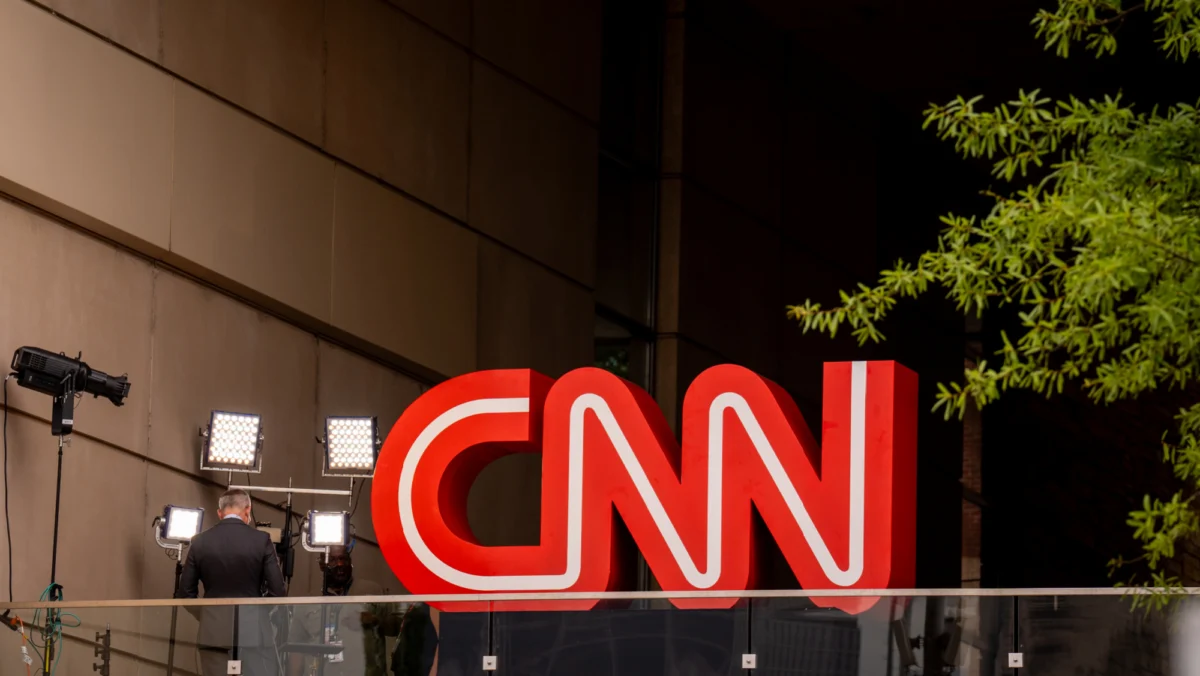
The impending completion of the Paramount Skydance acquisition of Warner Bros. Discovery marks a seismic shift in the media landscape, culminating in the creation of arguably the most expansive television news organization in history. As the transaction approaches its final stages, the consolidation of CNN and CBS News under a single corporate umbrella positions the combined entity as an unrivaled power player in the American media market, challenging the previous fragmentation of legacy news brands. However, this high-stakes merger is accompanied by a unique regulatory constraint: the implementation of an "Editorial Independence Board" (EIB), a body specifically mandated by a settlement with state attorneys general to ensure that the scale of the new organization does not compromise the journalistic integrity of its constituent outlets.
The Landscape of the Mega-Merger
For decades, the American news ecosystem has been defined by distinct, competing legacy networks. The merging of CBS News—a cornerstone of broadcast journalism—with CNN, the pioneer of 24-hour cable news, represents a strategic consolidation of resources, global bureaus, and investigative infrastructure. With NBC News, MSNBC, and CNBC operating under different corporate ownerships, the new Paramount-Skydance-led entity will enjoy a domestic reach that few, if any, global competitors can match.
The scale of this operation is difficult to overstate. CNN currently maintains a presence in nearly every major international capital, while CBS News retains deep roots in the American heartland and high-level political reporting from Washington, D.C. Combining these operations promises to streamline technical resources and cross-platform production, but it also raises significant questions about the potential for institutional bias and the concentration of editorial power in the hands of a single executive board, led by CEO David Ellison.
Chronology of the Acquisition and Regulatory Intervention
The path to this merger has been complex, involving rigorous antitrust scrutiny and extensive negotiations with regulators concerned about media consolidation.
- Initial Announcement: Following months of speculation, the framework for the Paramount-Skydance acquisition was solidified, signaling a new era for legacy media.
- Regulatory Review: During the vetting process, state attorneys general expressed concerns regarding the potential for ownership influence over newsrooms. The discussions centered on maintaining a firewall between the corporate boardroom and the editorial desk.
- The Settlement Agreement: To secure regulatory approval, the involved parties agreed to the formation of an Editorial Independence Board. This agreement, finalized as part of the merger’s conditions, serves as a safeguard against the "corporate capture" of news content.
- The 180-Day Window: Post-closing, the company has a six-month window to appoint the five-member board. This timeline ensures that the oversight mechanism is functional before the combined entity begins its full-scale integration of news operations.
Understanding the Editorial Independence Board
The EIB is not merely an advisory committee; it is a structural mechanism designed to codify journalistic standards across a massive, multifaceted organization. Its mandate focuses on three primary pillars: integrity, fairness, and independence.
The board is tasked with drafting and enforcing a set of "News Editorial Principles." These principles will draw from the existing standards and practices of both CBS News and CNN, creating a unified code of conduct. Perhaps most significantly, the EIB is empowered to arbitrate disputes. If journalists from either outlet feel that management is exerting undue pressure or that reporting has been compromised by corporate interests, they may bring their grievances to the EIB. This includes alleged violations of editorial principles and, critically, disputes regarding perceived reporting bias or failures to adhere to fairness standards.
Importantly, the board’s jurisdiction is limited to news and editorial content distributed within the United States. While CNN’s international operations remain a massive component of its portfolio, the board’s primary focus on domestic output suggests a recognition that the most intense political and regulatory pressure resides within the American electoral and social climate.
Composition and Appointments
The integrity of the EIB relies entirely on its membership. According to the agreement, the five members will be appointed by the company’s board of directors, effectively giving CEO David Ellison the final say in who occupies these roles. However, strict qualifications have been codified to prevent the board from becoming a collection of corporate loyalists.
Candidates must possess at least 10 years of professional journalism experience. While they can be active or retired, they must demonstrate a career rooted in the industry. To maintain a semblance of political neutrality, the agreement stipulates that no more than two members may be affiliated with the same political party. Furthermore, the board is strictly prohibited from including government officials or individuals with current or recent ties to the entity’s management, shareholders, or non-journalist employees.
This creates a fascinating pool of potential candidates. The "in-house" talent at the combined company, as well as the expertise found within RedBird Capital—which includes prominent figures such as Chris Wallace and Graydon Carter—provides a robust starting point. Yet, the selection process will be heavily scrutinized. If the appointments skew heavily toward a specific political ideology or appear to be "crony" hires, the board will lose its legitimacy before it even holds its first meeting.
Broader Implications and Industry Analysis
The EIB experiment represents a modern attempt to solve the age-old problem of media ownership. History has shown that corporate mergers in the news sector often lead to "synergy," a term that usually translates to cost-cutting, staff reductions, and the homogenization of editorial voice. By establishing an independent board, the settlement aims to create a "glass wall" that allows for the efficiency of a mega-merger while protecting the independence of the newsroom.
However, industry analysts remain skeptical. Critics point to the history of News Corp, which established a similar oversight structure during the tenure of Rupert Murdoch. In many cases, these boards function more as a corporate safeguard against litigation than as a true bulwark for journalistic freedom. If the EIB has the power to "bark" but lacks the power to enforce changes—or worse, if the board is simply ignored by the CEO—the arrangement will be viewed as nothing more than a cosmetic regulatory concession.
The long-term impact on news consumption is also a subject of intense debate. With the combined reach of CNN and CBS News, the organization will dominate the news cycle in a way that could diminish the diversity of perspectives in the American media landscape. If the EIB succeeds, it could set a new global standard for how massive media corporations handle editorial autonomy. If it fails, it may embolden future regulators to seek more drastic, perhaps even structural, remedies to prevent the concentration of media power.
Conclusion: A Precedent in the Making
As the countdown to the merger concludes, the focus will shift from the financial valuation of the deal to the operational realities of the newsroom. The creation of the Editorial Independence Board is an admission that the current size of the combined organization requires an external check on its own power. Whether this board becomes a toothless corporate ornament or a genuine guardian of journalistic integrity remains to be seen. In an era where trust in media is already a central point of contention, the success or failure of this oversight mechanism will have profound consequences for the future of American democracy and the public’s relationship with the news media. The world of journalism will be watching closely as the first five members are named, marking the beginning of an unprecedented experiment in media governance.