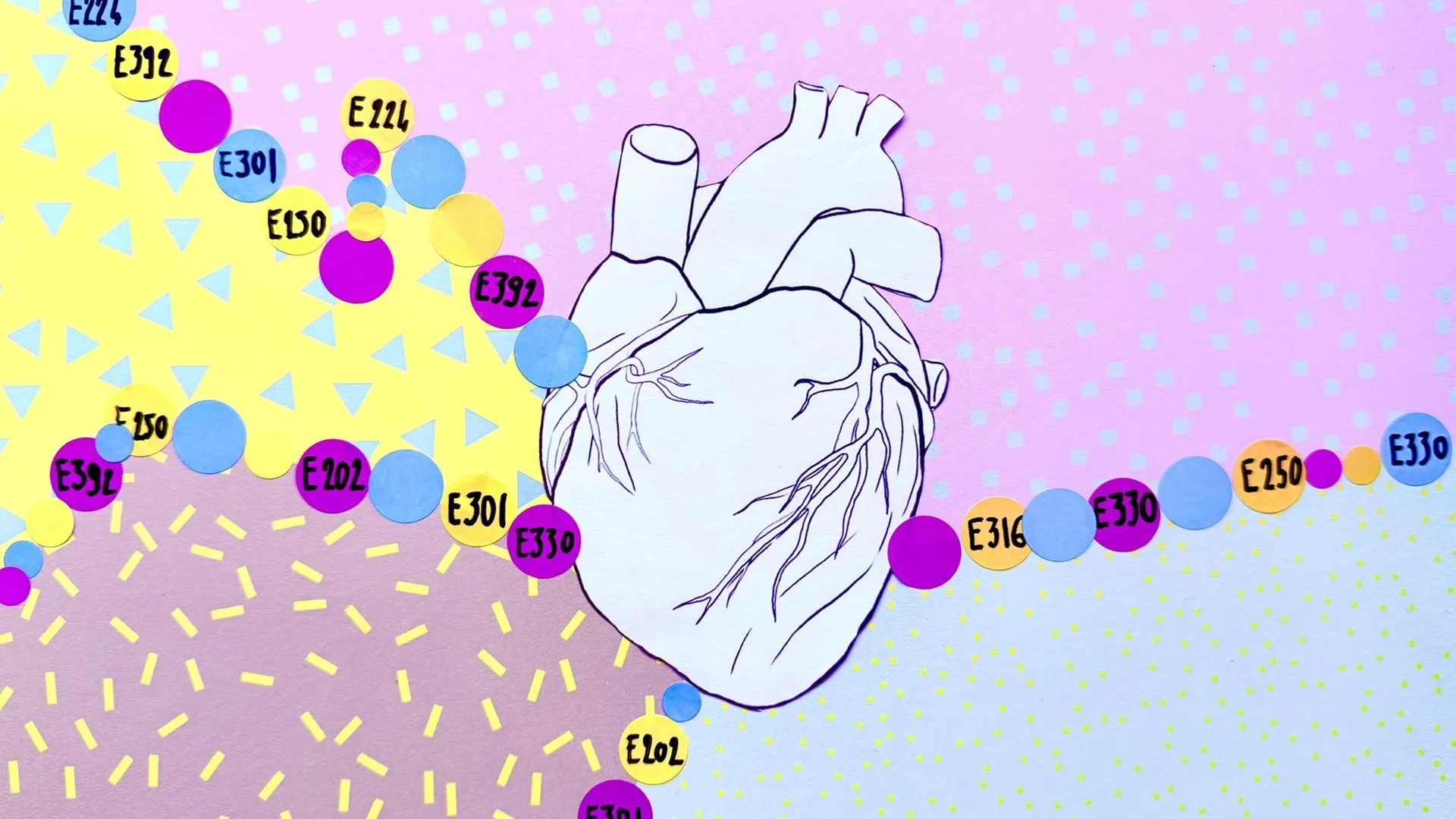
The modern global diet relies heavily on convenience, engineered for extended shelf lives, efficient transport, and resistance to microbial decay. However, a landmark nutritional epidemiology study published in the prestigious European Heart Journal has cast a concerning light on this widespread industrial practice. According to the research, common chemical food preservatives ubiquitous across the processed food supply chain may be directly associated with an elevated risk of developing high blood pressure and cardiovascular disease.
Led by Dr. Mathilde Touvier, a prominent research director at INSERM (the French National Institute for Health and Medical Research), alongside Anaïs Hasenböhler, a doctoral researcher, the study provides some of the most comprehensive human data to date regarding the long-term physiological impacts of chemical additives. Operating out of the Nutritional Epidemiology Research Team at Université Sorbonne Paris Nord and Université Paris Cité, the research team analyzed the dietary habits of more than 112,000 participants. The findings have immediately triggered renewed debates among public health advocates, toxicologists, and regulatory bodies regarding the safety margins and cumulative health costs of preserving our daily food supply.
Understanding the Function and Ubiquity of Food Preservatives
To appreciate the scale of the newly published findings, one must first examine why preservatives are so deeply embedded in the contemporary food ecosystem. From bread and packaged meats to canned goods, sauces, and bottled beverages, chemical additives serve as the silent guardians of commercial food logistics. Their primary functions are manifold: preventing the colonization and proliferation of dangerous bacteria, molds, and yeasts; decelerating natural spoilage; and maintaining visual appeal, texture, and flavor profiles over months of storage and distribution.
Without these agents, international food supply chains as they currently exist would collapse under the weight of rapid microbial degradation. Yet, while their utility in preventing foodborne illness has been historically undisputed, their chronic, low-level toxicity over decades of human consumption has remained a blind spot in nutritional science.
Anaïs Hasenböhler highlighted the unprecedented nature of the investigation, noting that food preservatives are routinely introduced into hundreds of thousands of industrially manufactured food products. While previous experimental models and animal studies have hinted at potential cellular toxicity, robust human epidemiological data has historically been scarce. As the first large-scale study of its kind to meticulously map a wide range of individual preservatives against long-term cardiovascular outcomes, this research fills a critical gap in public health literature.
Methodology: Tracking Diet and Heart Health in Over 112,000 Individuals
The investigation was nested within the NutriNet-Santé project, a massive, ongoing web-based cohort study designed to investigate the complex relationships between nutritional intake, lifestyle factors, and chronic disease development. For this specific analysis, the research cohort comprised 112,395 adult volunteers residing across France, providing a statistically powerful sample size.
Rather than relying on vague, retrospective food frequency questionnaires—a common limitation in nutritional epidemiology that often introduces recall bias—the NutriNet-Santé methodology employed rigorous, real-time tracking. Every six months, participants were required to log every single item of food and beverage consumed over an unannounced, non-consecutive three-day period. This high-resolution dietary tracking allowed researchers to identify specific commercial brand names, cross-reference their ingredient lists against comprehensive food database registries, and quantify exact daily exposures to various chemical additives.
Once baseline dietary profiles were established, the participants were monitored prospectively for an average duration of seven to eight years. Throughout this follow-up period, the research team tracked the medical incidence of hypertension (high blood pressure) and severe cardiovascular events, including myocardial infarctions (heart attacks), cerebrovascular accidents (strokes), and angina pectoris.
The baseline exposure data underscored just how difficult it is for a modern consumer to avoid these substances. During the initial two years of tracking, an astonishing 99.5% of all study volunteers consumed at least one food preservative, illustrating that exposure to these industrial chemicals is virtually universal in developed economies.
Higher Preservative Intake Correlates with Elevated Cardiovascular Risks
When the research team stratified the participants by their cumulative intake levels of various preservative categories, clear and alarming statistical correlations emerged. The data revealed that individuals consuming the highest volumes of specific chemical additives faced a measurably greater threat to their vascular health.
Participants whose diets featured the highest quartile of non-antioxidant preservatives exhibited a 29% greater risk of developing hypertension compared to those in the lowest quartile of consumption. Furthermore, this high-exposure group demonstrated a 16% increased risk of developing broader cardiovascular diseases, encompassing acute events such as heart attacks and strokes.
Meanwhile, individuals whose diets were heavily laden with antioxidant preservatives—compounds utilized to prevent chemical oxidation, rancidity, and browning—faced a 22% elevated risk of high blood pressure.
To understand these divergent risk profiles, toxicologists divide preservatives into functional classes. Non-antioxidant preservatives are primarily deployed to inhibit the growth of pathogenic microorganisms, including lethal bacteria like Clostridium botulinum and various molds. Antioxidant preservatives, by contrast, target chemical degradation, neutralizing free radicals and preventing lipids from spoiling when exposed to oxygen and light. Despite their different mechanisms of action in food preservation, both categories appear to exert a physiological toll when ingested chronically over many years.
Eight Specific Preservatives Stand Out in Risk Analysis
Dr. Touvier and her colleagues extended their analysis beyond broad categories to examine 17 of the most frequently consumed individual preservatives within the cohort. Out of these, eight specific compounds were statistically isolated as being independently associated with a heightened risk of high blood pressure:
- Potassium sorbate (E202)
- Potassium metabisulphite (E224)
- Sodium nitrite (E250)
- Ascorbic acid (E300)
- Sodium ascorbate (E301)
- Sodium erythorbate (E316)
- Citric acid (E330)
- Extracts of rosemary (E392)
Among these, ascorbic acid (E300)—commonly used as a dietary supplement and vitamin C-based preservative—was also directly linked to an increased incidence of broader cardiovascular disease.
Epidemiologists and public health specialists emphasize that these findings must be interpreted through a strictly scientific lens. Because the research is observational in nature, it establishes robust statistical associations rather than definitive, direct causation. In other words, while the data proves that high preservative consumption patterns track closely with rising rates of hypertension and heart disease, it cannot definitively prove that the preservatives alone triggered the clinical outcomes in every individual case.
Potential Biological Mechanisms: Oxidative Stress and Metabolic Disruption
Despite the observational limitations, the biological plausibility of these findings is supported by a growing body of experimental literature. Scientists are actively investigating several pathways through which chemical food additives might damage the cardiovascular system over time.
Primary among these suspected mechanisms is the induction of systemic oxidative stress. Oxidative stress occurs when unstable, reactive oxygen species accumulate within the body faster than endogenous antioxidant defense systems can neutralize them. Over extended periods, this chemical imbalance damages vascular endothelial cells, degrades arterial elasticity, and promotes chronic inflammation—all of which are primary precursors to hypertension and arteriosclerosis.
In addition to vascular damage, researchers are examining whether certain food additives interfere with pancreatic function. The pancreas is a critical endocrine and exocrine organ responsible for insulin production, blood glucose regulation, and metabolic homeostasis. Any disruption to its delicate physiological balance can trigger downstream systemic effects, including insulin resistance, metabolic syndrome, and subsequent cardiovascular deterioration.
Moving forward, the research team at INSERM and Sorbonne Paris Nord is expanding its scope. Current investigations are exploring how ultra-processed foods and their constituent additives impact systemic inflammatory markers, blood metabolic profiles, and the composition of the human gut microbiota. The gut microbiome—the vast, complex ecosystem of bacteria residing in the digestive tract—has emerged in recent years as a vital regulator of human metabolism, immune response, and cardiovascular health. Determining whether preservatives alter this delicate microbial balance could unlock the final missing link in understanding how industrial food processing impacts human longevity.
Implications for Regulatory Bodies and Public Health Policy
The publication of this study in the European Heart Journal has reignited fierce discussions regarding the adequacy of current food safety regulations. Food additive safety is historically evaluated on a substance-by-substance basis, often focusing on acute toxicity, genotoxicity, and short-term carcinogenic potential. Chronic, low-dose impacts on the cardiovascular and metabolic systems over decades of cumulative exposure have historically received less regulatory scrutiny.
Dr. Touvier has publicly called for a comprehensive re-evaluation of the risks and benefits associated with these widely used food additives. Regulatory agencies such as the European Food Safety Authority (EFSA) in Europe and the Food and Drug Administration (FDA) in the United States face mounting pressure from the scientific community to re-examine existing acceptable daily intake (ADI) limits in light of large-scale epidemiological evidence.
Critics of the current regulatory framework argue that safety limits are often calculated in isolation, failing to account for the "cocktail effect"—the reality that modern consumers are simultaneously exposed to dozens of different chemical additives daily through a standard diet of processed foods. The cumulative or synergistic interactions of these chemicals remain largely uncharted territory for toxicologists.
Practical Recommendations for Consumers and Healthcare Professionals
While regulatory bodies deliberate on potential policy updates, public health agencies and medical professionals emphasize that existing dietary guidelines already offer a clear path forward. The latest findings powerfully reinforce long-standing medical recommendations to prioritize whole, unprocessed, or minimally processed foods while actively minimizing the consumption of chemically altered, ultra-processed industrial products.
Physicians, dietitians, and primary care providers are increasingly being urged to take a proactive role in patient education. By helping consumers decipher complex ingredient labels—identifying E-numbers and chemical preservatives—healthcare practitioners can empower individuals to make informed dietary choices that reduce their cumulative chemical exposure.
For the average consumer, complete avoidance of preservatives in a modern urban environment is nearly impossible. However, shifting dietary patterns away from packaged, shelf-stable convenience foods and toward fresh produce, lean proteins, and home-cooked meals prepared from basic ingredients can drastically lower daily exposure rates. As nutritional science continues to unravel the long-term biological costs of the industrial food revolution, the message from the research community is clear: protecting the cardiovascular system requires not only monitoring macronutrients like fats, sugars, and salts, but also paying closer attention to the chemical additives working silently behind the scenes of our daily diet.