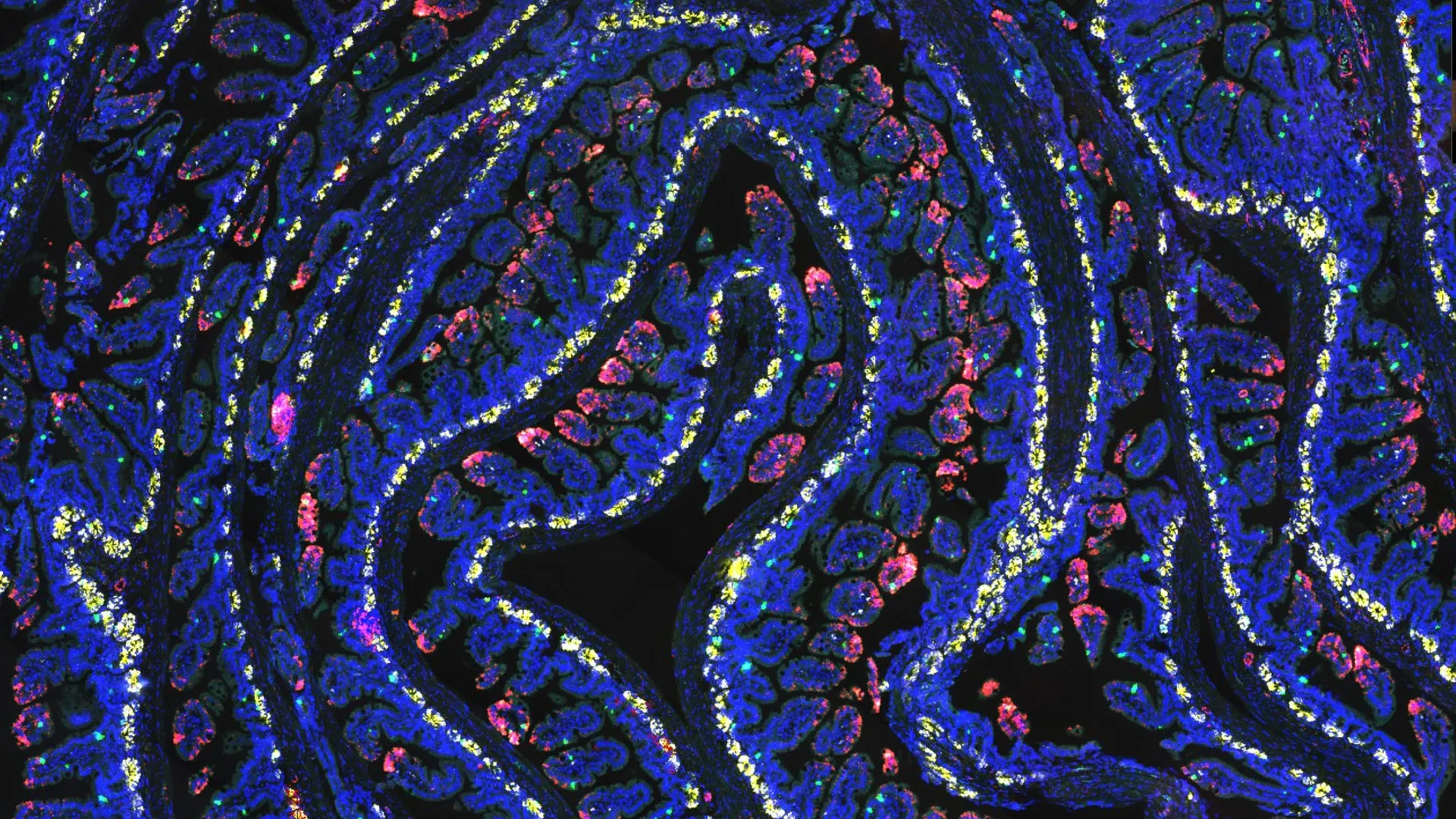
New preclinical research conducted at The University of Texas MD Anderson Cancer Center has uncovered a sophisticated biological interaction between dietary restriction, the human microbiome, and cellular self-repair. The findings reveal that a brief 24-hour fast primes the lining of the small intestine to endure and recover from severe radiation damage, but this protective mechanism is entirely dependent on the presence of a specific beneficial gut bacterium. Published in the Proceedings of the National Academy of Sciences, the study bridges the gap between nutritional science, microbiology, and oncology, offering a promising avenue for safeguarding healthy tissues during aggressive cancer therapies.
Co-led by Dr. Helen Piwnica-Worms, professor of Experimental Radiation Oncology, and Dr. Kunal Rai, professor of Genomic Medicine, the research provides granular insight into how the gastrointestinal tract mounts an emergency defense when deprived of food. While radiation remains a cornerstone of modern oncology for targeting abdominal malignancies—such as pancreatic, colorectal, and gynecologic cancers—its clinical efficacy is frequently bottlenecked by collateral damage to adjacent healthy tissues. The small intestine is notoriously sensitive to ionizing radiation due to the rapid turnover of its epithelial lining. When this delicate barrier is compromised, patients routinely experience debilitating side effects, ranging from severe nausea and chronic diarrhea to life-threatening infections and systemic sepsis.
These severe toxicities often force oncologists to curtail radiation dosages, inadvertently compromising the therapeutic window. For decades, medical researchers have sought safe, reliable methods to shield healthy tissues from radiation without diminishing its cytotoxic impact on tumors. The newly published study marks a significant leap forward by decoding a precise physiological pathway that coordinates cellular defense and regeneration through the gut microbiome.
Background Context: The Evolution of Fasting and Radiation Research
The trajectory of this discovery builds upon years of foundational work within the Piwnica-Worms Laboratory. Previous investigations established a compelling empirical observation: mice subjected to a short-term fast prior to receiving therapeutic doses of radiation experienced markedly improved intestinal recovery compared to their regularly fed counterparts. However, the precise molecular mechanisms driving this protective phenotype remained elusive.
Historically, researchers hypothesized that nutrient deprivation simply forced cells into a dormant or conservative metabolic state, thereby reducing their overall vulnerability to oxidative stress and DNA damage. Yet, this theory failed to fully explain the rapid, coordinated regenerative burst observed in intestinal tissues post-injury. The missing link, as the latest research demonstrates, lies not solely within mammalian metabolism, but in the symbiotic relationship between host cells and the resident microbial populations inhabiting the gastrointestinal tract.
By shifting the investigative lens toward the gut microbiome, the MD Anderson team began to untangle how dietary interventions communicate with microbial communities to orchestrate systemic and localized tissue protection.
Unlocking the Mechanism: The Role of Akkermansia muciniphila
At the core of the newly identified pathway is a specific gut bacterium known as Akkermansia muciniphila, frequently abbreviated as AKK. A recognized resident of a healthy human microbiome, AKK specializes in degrading mucin, the protein-rich gel that lines and protects the intestinal epithelium.
The researchers discovered that a 24-hour fasting period triggers a significant, localized proliferation of Akkermansia muciniphila within the small intestine. As these bacterial populations expand in response to nutrient scarcity, they metabolize available substrates and produce a vital metabolic byproduct known as propionate—a short-chain fatty acid.
Propionate acts as a powerful signaling molecule. Working in tandem with broader metabolic shifts induced by fasting, propionate alters the structural packaging of DNA within intestinal stem and progenitor cells. Specifically, it influences histone proteins, the molecular spools around which DNA is tightly wound. Through targeted chemical modifications known as epigenetic markers, propionate and fasting-induced metabolites alter histone structures to relax specific regions of the chromatin.
This epigenetic restructuring does not alter the underlying genetic code, but rather acts as a master key, granting cellular machinery immediate access to genes associated with tissue regeneration and cellular proliferation. Consequently, a specialized population of intestinal cells becomes primed with a biological "emergency preparedness plan." When the intestine is subsequently exposed to radiation, these pre-programmed cells are uniquely equipped to rapidly expand, repair the fractured epithelial barrier, and restore normal gut architecture.
The Indispensable Microbe: Experimental Validation
To rigorously test the hypothesis that Akkermansia muciniphila was a mandatory driver of this protective process, the research team conducted depletion experiments. When the bacterium was selectively eliminated from the microbiome of experimental models, the regenerative benefits of the 24-hour fast completely vanished. Fasting alone, in the absence of AKK, failed to prime the intestinal cells or enhance post-radiation recovery.
Crucially, when Akkermansia muciniphila was reintroduced to the microbiome alongside the fasting regimen, the protective tissue response was fully restored. This binary dependency proved that neither nutritional restriction nor the microbe alone was sufficient to elicit the complete healing phenotype. Instead, the phenomenon relies entirely on a synergistic dialogue between host dietary status and microbial metabolism.
"Fasting helps prepare intestinal cells to respond more quickly and effectively after injury, almost like training the cells with an emergency preparedness plan," explained Dr. Piwnica-Worms. "This study helps explain how that plan is organized and identifies a key bacterium involved in coordinating the response."
Implications for Clinical Oncology and Patient Care
While the findings offer profound mechanistic insights, the authors emphasize that the research remains firmly in the preclinical stage. Translating these murine models into human clinical applications will require extensive investigation, including rigorous clinical trials to confirm whether identical pathways operate in human patients undergoing abdominal radiotherapy.
If validated in clinical settings, the discovery could pave the way for numerous therapeutic innovations designed to protect normal tissues from cancer treatment toxicities. Beyond the gastrointestinal tract, researchers are keen to investigate whether similar microbial-metabolic pathways can be harnessed to protect other highly proliferative healthy tissues—such as bone marrow—which frequently suffer severe damage during chemo- and radiotherapy regimens.
Furthermore, the practical challenges associated with fasting cancer patients cannot be overlooked. Many individuals undergoing active cancer treatment experience severe fatigue, cachexia, and malnutrition, making voluntary food restriction difficult or clinically contraindicated. Recognizing this limitation, the research team is already looking toward translational strategies that bypass the need for fasting altogether.
Future therapies could potentially replicate the protective effects of the fast by administering targeted probiotics containing Akkermansia muciniphila, or by delivering its active metabolic byproducts—such as propionate—directly to patients. Such interventions would allow clinicians to harness the tissue-repair benefits of the fasting-microbiome axis while maintaining optimal nutritional support for vulnerable patients.
Official Responses and Broader Outlook
"Fasting is not always practical for cancer patients, and this work supports several other potential ways to enhance recovery after treatment," noted Dr. Kunal Rai. "Whether through dietary interventions, targeted microbes, or their metabolites, the goal is to help repair healthy tissue more effectively while patients receive the cancer therapies they need."
The implications of this study extend beyond radiation oncology, reflecting a broader paradigm shift in modern medicine that recognizes the gut microbiome as an active endocrine and metabolic organ capable of modulating systemic disease responses. By mapping the precise biochemical bridge connecting nutrition, microbial activity, and epigenetic gene activation, the MD Anderson team has opened new vistas for mitigating the collateral damage of cancer therapy.
Funding for this landmark study was provided by the National Cancer Institute (NCI), a division of the National Institutes of Health (NIH), under specific institutional research grants, alongside critical support from the Cancer Prevention and Research Institute of Texas (CPRIT). As follow-up investigations proceed, the medical community will be watching closely to see how these preclinical insights translate into safer, more resilient therapeutic protocols for cancer patients worldwide.