For generations of science fiction enthusiasts, the tactile experience of flipping through glossy pages filled with behind-the-scenes photography, in-depth filmmaker interviews, and visionary concept art defined a unique era of fan culture. Decades before digital streaming, internet fandoms, and instant social media access, specialty periodicals served as the primary gateways to speculative fiction. Among these, Starlog stood out as an undisputed titan. Now, more than a decade and a half after publishing its last regular issue, the legendary magazine is officially making a triumphant return.
Following a 17-year absence that began with its dormancy in 2009, Starlog is scheduled to make its comeback as an annual print publication. The revival edition, designated Issue #375 to maintain historical continuity with its original numbering system, is set for release under the stewardship of Fangoria Holdings. Pre-orders for the milestone publication opened following official announcements, signaling a major nostalgic and cultural event for the global science fiction community.
The Genesis and Golden Era of Starlog
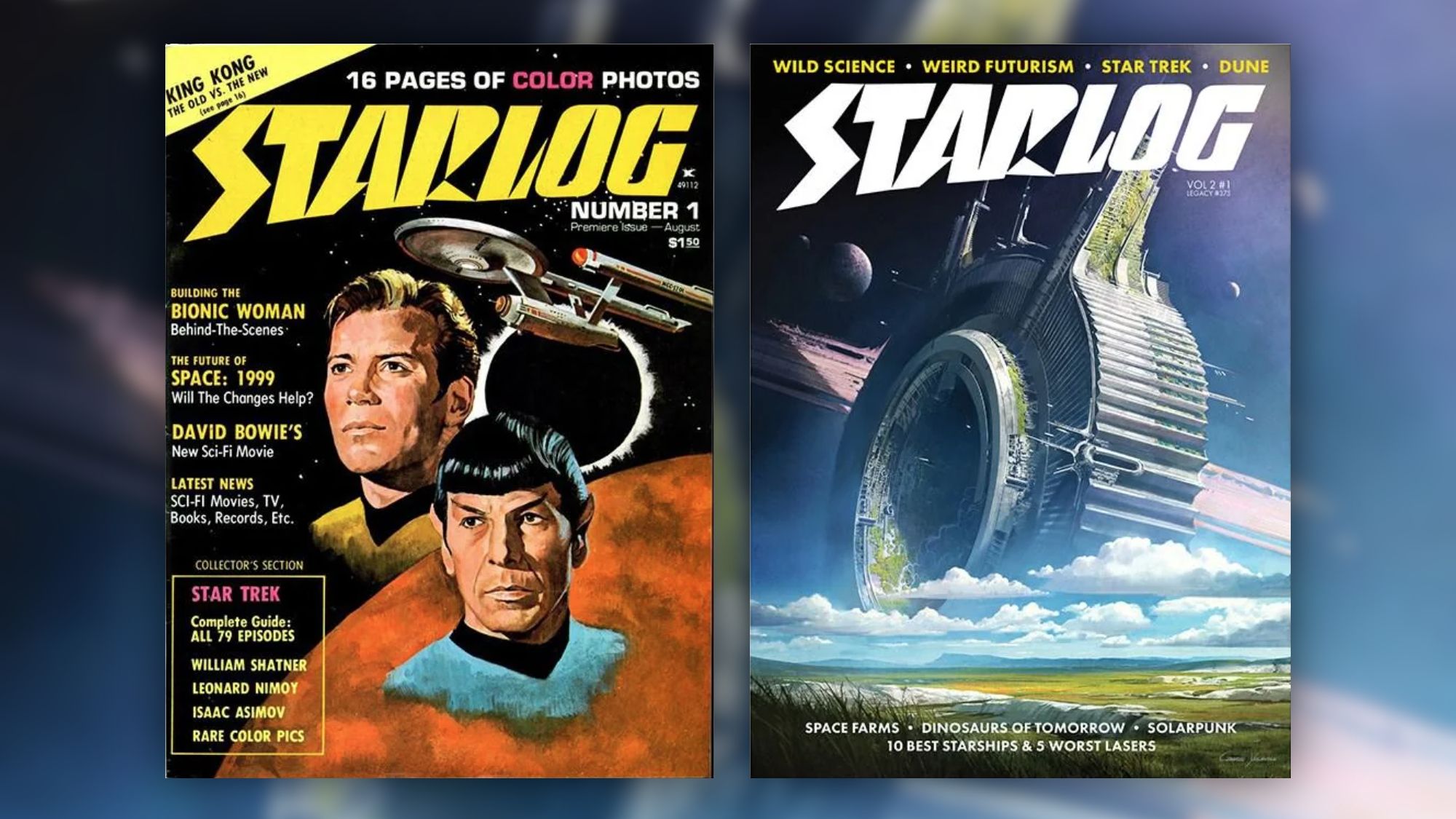
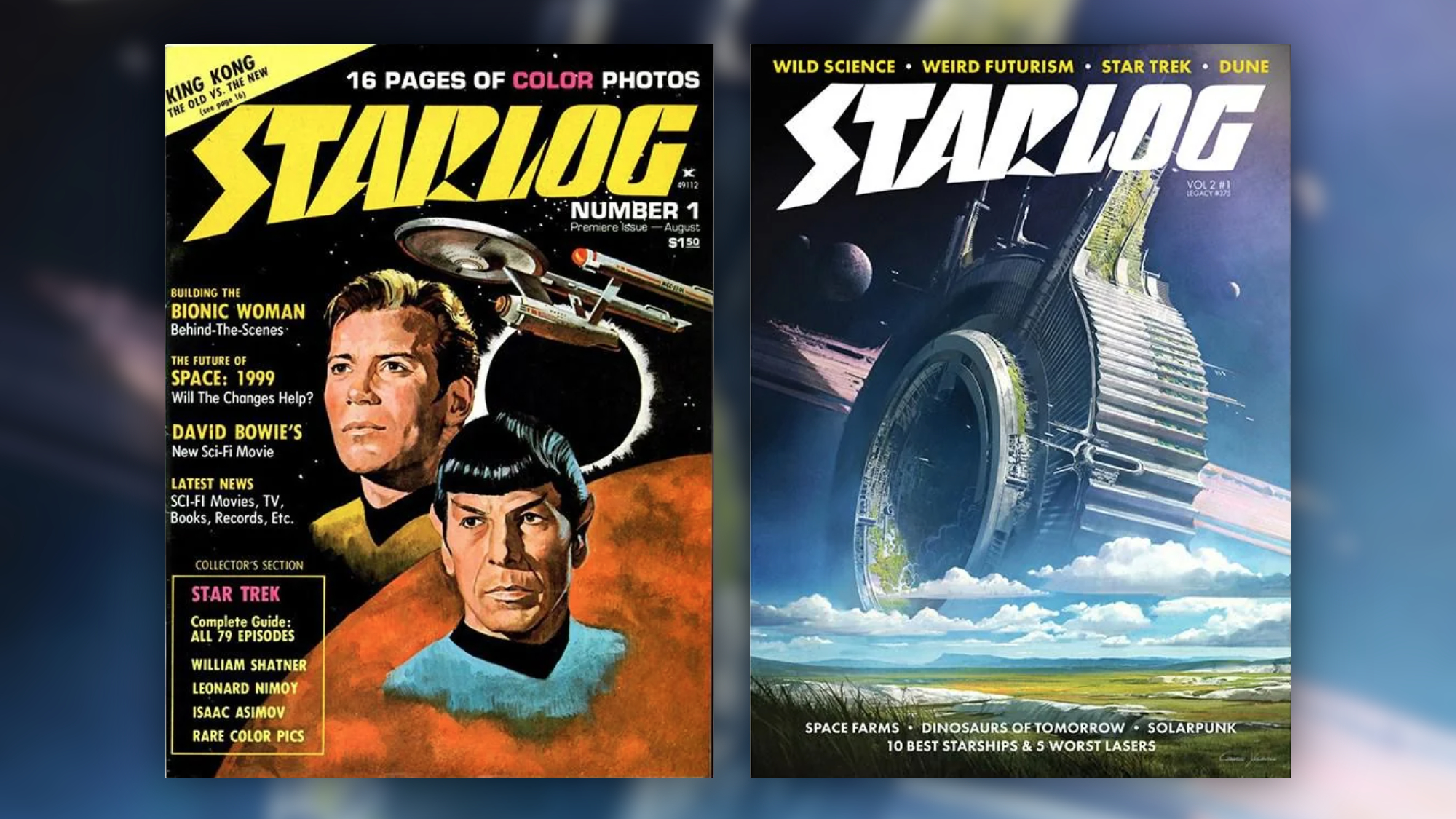
The origins of Starlog trace back to 1976, an auspicious year that preceded the cultural phenomenon of George Lucas’s original Star Wars by several months. Founded by editor-in-chief Terry O’Quinn, the magazine arrived on newsstands with a striking, hand-painted cover by artist Jack Thurston. Depicting William Shatner as Captain James T. Kirk and Leonard Nimoy as Spock from Star Trek, framed against the U.S.S. Enterprise near a shimmering black hole, the inaugural issue established a high standard for visual and editorial excellence.
Throughout its initial 33-year run, Starlog chronicled the explosive growth of science fiction, fantasy, and horror across television, cinema, literature, and special effects technology. In an era predating dedicated entertainment websites, the monthly periodical provided invaluable coverage of upcoming television series, blockbuster Hollywood productions, and independent cinematic milestones. Its pages offered readers unprecedented access to the mechanics of filmmaking, featuring detailed breakdowns of practical visual effects, miniature models, creature design, and makeup artistry. Iconic franchises such as Star Trek, Star Wars, Alien, Doctor Who, Battlestar Galactica, and Blade Runner found a comprehensive historical archive within its monthly installments.
The 2009 Collapse and the Digital Shift
The trajectory of Starlog mirror the broader struggles faced by print media during the late 2000s. As the publishing industry confronted a rapid digital migration, declining newsstand circulation, and shifting advertising revenues, many specialized enthusiast magazines found it impossible to sustain operations. In 2009, amidst a wave of industry-wide publications folding, Starlog went dark.
The closure marked the end of an era for readers who relied on physical periodicals to connect with like-minded fans. For years, the magazine existed primarily in the memories of veteran enthusiasts and within the valued pages of collector archives. However, the subsequent decades revealed a persistent cultural void left by its absence, demonstrating that despite the abundance of online content, the deep, curated journalism and physical collectibility of specialty print magazines retained a dedicated audience.
A Golden Anniversary and a Modern Relaunch
The return of Starlog coincides with a milestone anniversary, marking 50 years since the publication first hit newsstands in 1976. To honor this legacy, Fangoria Holdings acquired the rights to revive the brand, appointing io9 co-founder Annalee Newitz as editor-in-chief. This leadership appointment bridges traditional geek journalism with contemporary speculative commentary, ensuring the resurrected publication honors its roots while adapting to modern thematic sensibilities.
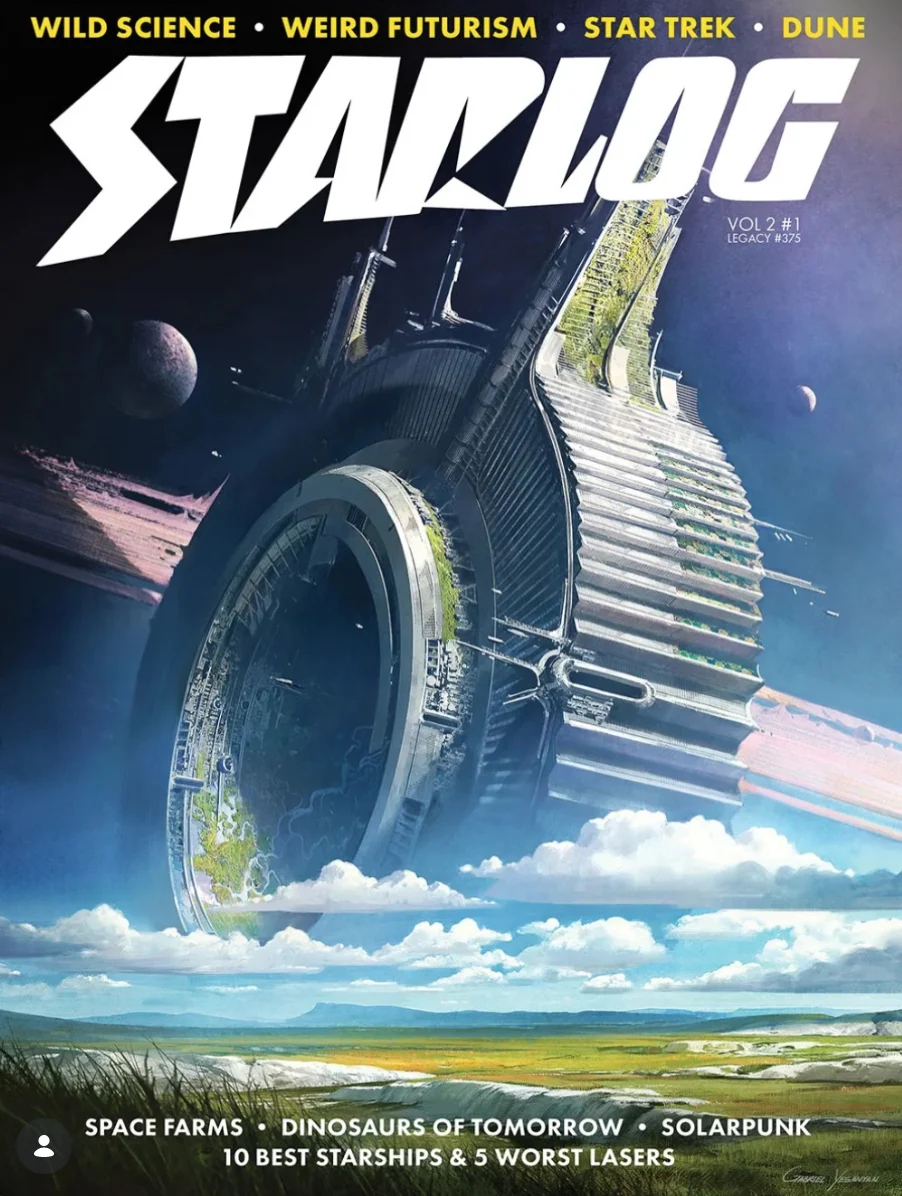
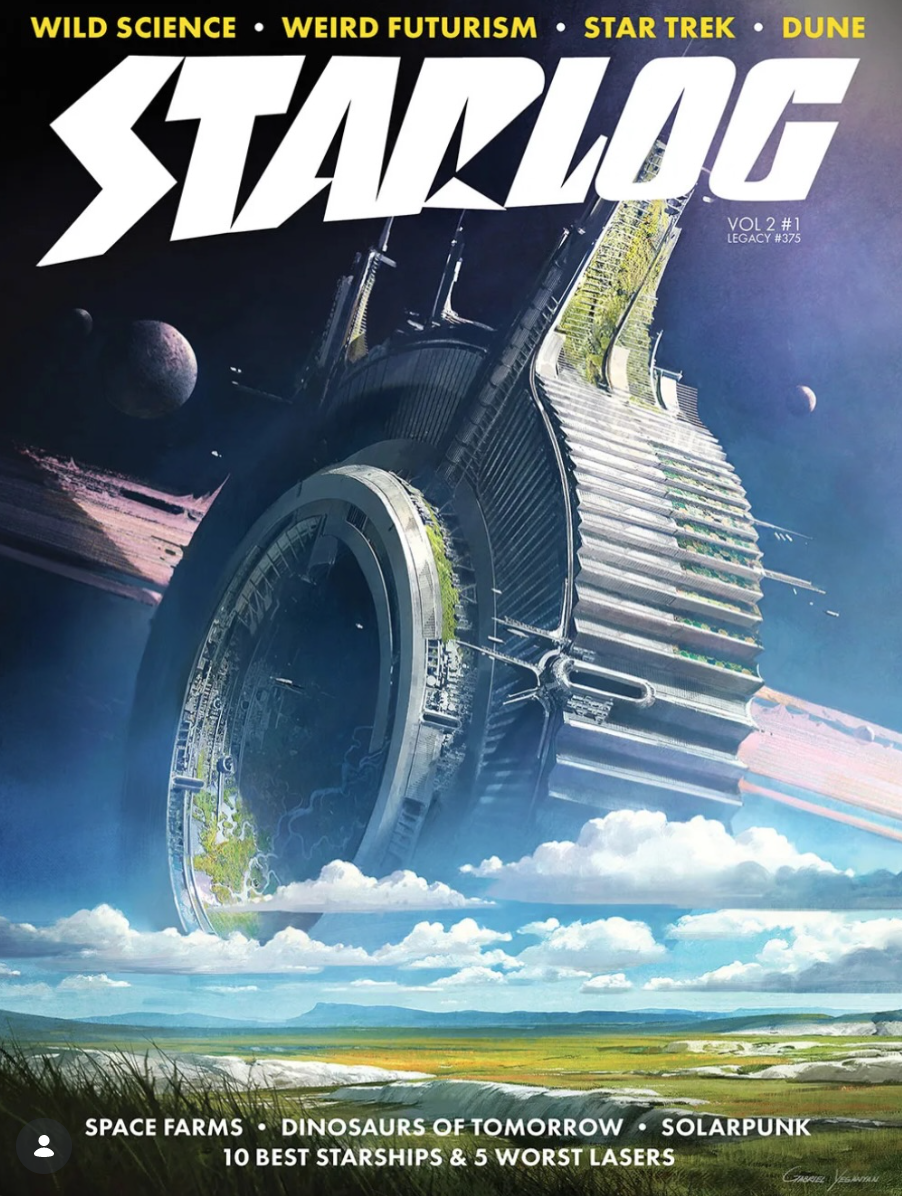
Issue #375 features cover artwork created by Armenian artist Gabriel Yeganyan, bridging the classic illustrative tradition of early Starlog covers with contemporary artistic interpretations. Rather than returning as a monthly periodical, the resurrected Starlog will debut as an annual print edition. This strategic shift reflects the realities of modern publishing economics while elevating each annual release into a premium, collector-grade bookazine designed for preservation.
Official Perspectives on the Revival
Industry executives have emphasized that the timing of Starlog’s return is driven by a unique convergence of technological evolution and cultural reflection. Tara Ansley of Fangoria spoke to the conceptual framework guiding the revival, noting how the boundaries between speculative fiction and reality have narrowed over the past half-century.
"During its original 33-year run, ‘Starlog’ documented science fiction as it evolved across film, television, books, technology, and culture," Ansley stated. "Fifty years after the magazine first launched, the line between science fiction and the real world has become increasingly difficult to separate. That makes this an especially interesting time to bring ‘Starlog’ back. Technology may change, but the most compelling questions have always been about people: how we live, what we create, and what kind of future we want to build."
This philosophical outlook suggests that the new incarnation of Starlog will not merely indulge in pure nostalgia, but will actively engage with contemporary intersections of science, technology, and storytelling.
Broader Implications and the Trend of Analog Resurgence
The return of Starlog is part of a wider cultural phenomenon characterized by "digital fatigue." As audiences become increasingly oversaturated with transient online content, algorithmic feeds, and ephemeral digital media, a measurable counter-trend has emerged. Consumers across multiple demographics are increasingly placing higher value on physical, tangible media—ranging from the resurgence of vinyl records and cassette tapes to independent print magazines and physical book collecting.
By choosing an annual print format over a daily or monthly digital strategy, Fangoria Holdings is positioning Starlog as a luxury artifact for dedicated collectors. This business model allows the publication to bypass the financial pressures that previously forced its closure, focusing instead on high-value, long-form journalism, archival retrospectives, and premium visual presentations.
Furthermore, the revival highlights the enduring resilience of legacy intellectual properties within geek culture. As franchises like Star Trek and Star Wars continue to expand across multiple streaming platforms and cinematic universes, the need for authoritative, analytical commentary on speculative media remains as relevant as it was in 1976.
Looking Forward
As the release date approaches, anticipation among veteran readers and a new generation of sci-fi enthusiasts continues to grow. By bridging half a century of speculative fiction history with modern editorial direction, Starlog aims to reclaim its status as the definitive chronicler of imagined futures.
The first annual edition—Issue #375 in the publication’s historic continuity—is available for pre-order through the official Starlog website, setting the stage for a new chapter in the storied history of science fiction journalism.