The global fashion industry has entered the peak of the high-summer season, a period traditionally defined by a strategic shift toward resort-wear, destination-based retail, and limited-edition collaborations. As July 2026 unfolds, leading luxury houses and contemporary labels are moving beyond traditional seasonal cycles to embrace experiential commerce. From the cobblestone streets of Nantucket to the historic avenues of Paris and the elite enclaves of the Hamptons, the current month marks a significant convergence of sport, heritage, and modern craftsmanship. This shift is characterized by a series of high-profile launches including Agua Bendita’s tribute to the World Cup, Antonin Tron’s pivotal debut at Balmain via Bergdorf Goodman, and the continued expansion of the "destination pop-up" model by brands like Loeffler Randall and JW Anderson.

The Intersection of Sport and Luxury: Agua Bendita’s World Cup Tribute
As the 2026 World Cup approaches its climactic final stretch, the influence of athletic aesthetics on high fashion has reached a new zenith. Leading this charge is the Colombian powerhouse Agua Bendita, a brand renowned for its intricate hand-embroidery and vibrant prints. Founders Catalina Álvarez and Mariana Hinestroza have leveraged the global excitement surrounding the tournament to release a Colombia-inspired capsule collection that bridges the gap between fan-gear and luxury ready-to-wear.

The collection, which features four distinct jersey styles, sold out almost immediately upon its initial release, prompting a rapid reissue to meet global demand. The assortment includes a sophisticated woven blue-and-yellow polo, a sleek blue long-sleeve jersey, and two standard football silhouettes in the national colors of blue and yellow. Beyond mere sportswear, these pieces are infused with the brand’s DNA, featuring winding floral motifs, custom-themed patches, and a stylized "AB" monogram. This launch reflects a broader market trend known as "Bloke-core," where traditional soccer jerseys are recontextualized as high-fashion staples. By aligning with the national team’s journey, Agua Bendita has successfully tapped into the emotional and cultural resonance of the World Cup, proving that luxury fashion can be both patriotic and commercially agile.

Retail as Destination: Loeffler Randall’s Nantucket Residency
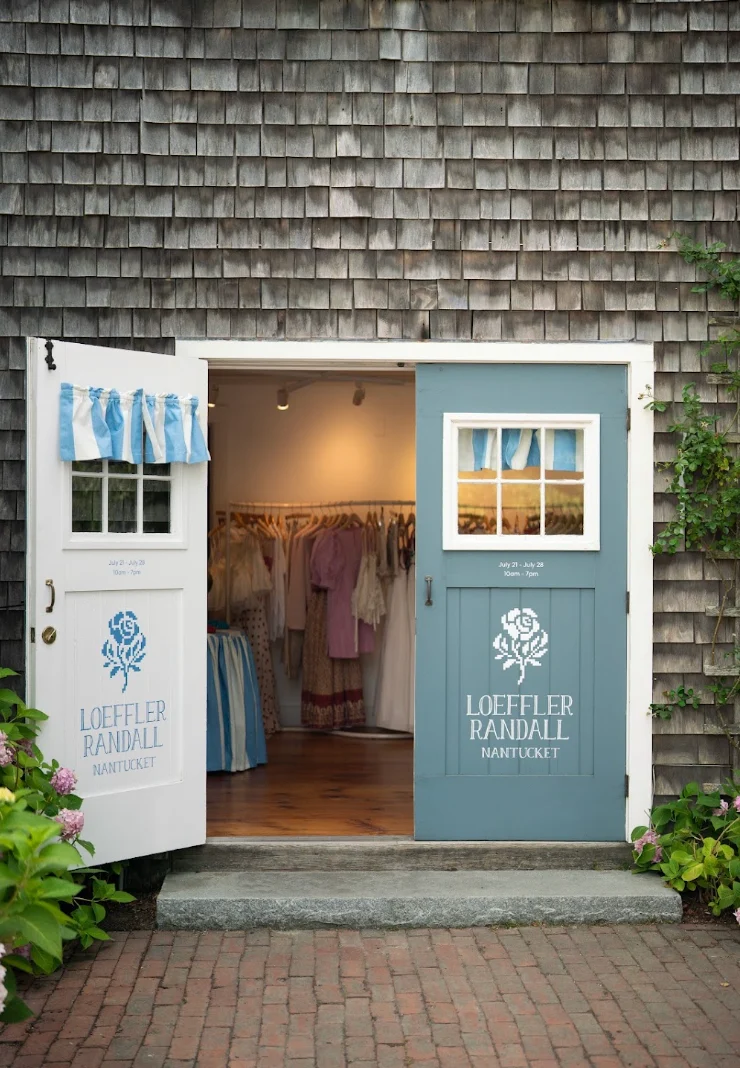
In the realm of contemporary luxury, the "pop-up" has evolved from a temporary sales floor into a curated brand experience. Loeffler Randall, the label founded by Jessie Randall, has chosen the historic maritime setting of Nantucket for its latest retail venture. From July 21 through July 28, the brand will occupy The Boathouse on Easy Street, marking its first-ever physical presence on the island.

This residency is more than a geographic expansion; it is a homecoming for Randall, who spent her formative summers on nearby Cape Cod. The Nantucket pop-up features a curated "Nantucket Edit," which is also available to a global audience online. The collection emphasizes the ease of summer dressing, showcasing signature braided sandals, ballet flats, and woven totes. A centerpiece of the residency is an exclusive red gingham iteration of the brand’s cult-favorite Dina travel tote, available only to those visiting the island boutique. This strategy of "location-exclusive" merchandise serves as a powerful driver for foot traffic, rewarding loyal customers with items that carry the prestige of a specific time and place.

A New Vision for Balmain: Antonin Tron’s Debut at Bergdorf Goodman
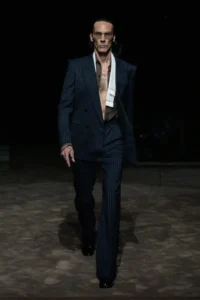
One of the most significant shifts in the luxury landscape this month is the arrival of Antonin Tron’s debut Fall/Winter 2026 collection for Balmain. To celebrate this new chapter for the French maison, Balmain has partnered with New York’s iconic Bergdorf Goodman for a month-long exclusive retail launch. The collaboration is highlighted by a takeover of the department store’s legendary Fifth Avenue windows, designed by artist Jeanne Briand.

Tron’s vision for Balmain represents a departure toward a more fluid, yet structured, architectural elegance. The collection features supple leather peplum jackets retailing at approximately $4,990, strong-shouldered draped jersey dresses at $2,990, and the new 64-83 small leather shoulder bag. Tracy Margolies, President of Bergdorf Goodman, noted that the partnership celebrates a shared commitment to craftsmanship and innovation. By utilizing immersive window displays, Balmain is able to communicate its "renewed vision" to a global audience of shoppers and fashion enthusiasts, grounding the brand’s avant-garde Parisian roots in the commercial heart of Manhattan.

The Evolution of the Collaborative Footwear: Jacquemus x Timberland
Collaborations between high-fashion designers and heritage utility brands continue to dominate the market. Following the success of their initial partnership, Simon Porte Jacquemus and Timberland have reunited to release a limited-edition version of the classic 3-Eye Lug Boat Shoe. First previewed during the Jacquemus Spring/Summer 2027 "Le Bonheur" show, the shoe has been reimagined in a striking "Lagoon Blue."

Retailing for $250, the shoe retains Timberland’s signature rugged lug sole while incorporating the minimalist, sun-soaked aesthetic of the South of France. The use of premium leather, tonal hardware, and custom Jacquemus charms elevates the utilitarian silhouette into a collector’s item. This collaboration exemplifies the "Gorpcore" trend—the adoption of functional outdoor gear for urban fashion—while demonstrating how a saturated color palette can breathe new life into a heritage staple. The release is being handled through a multi-channel strategy, appearing on both brands’ e-commerce platforms and in select flagship stores.

Five Years on Main Street: Manolo Blahnik’s East Hampton Capsule
East Hampton has long been a summer sanctuary for the fashion elite, and Manolo Blahnik is celebrating its half-decade presence in the village with a dedicated capsule collection. The collection is inspired by the quintessential "Hamptons lifestyle," specifically referencing the simple joys of Main Street strolls and evening ice cream runs.

The capsule reimagines four of Blahnik’s most iconic silhouettes: the Callamu, Jada, Susa, and Carolyne. Each pair features hand-drawn pink rosebud vines, a motif sketched personally by Manolo Blahnik, complemented by soft blush nappa leather accents. This hyper-local approach to luxury retail acknowledges the importance of the "South Fork" community to the brand’s American footprint. By offering designs that are exclusively available at the 52 Main Street boutique, Blahnik reinforces the sense of exclusivity and personal touch that defines the brand’s heritage.

Curated Craftsmanship: JW Anderson’s Paris Pop-Up
In Paris, Jonathan Anderson has opened a new JW Anderson pop-up on the Rue du Louvre, running through September 24. This retail space, designed in collaboration with Sanchez Benton Architects, functions as part-gallery and part-boutique. The interior is characterized by its use of raw materials, such as Scottish oak stools and ceramics by Akiko Hirai, creating an environment that mirrors Anderson’s own interest in the intersection of fashion and the decorative arts.

The store offers a comprehensive look at the JW Anderson universe, including menswear, womenswear, and the brand’s expanding home and garden line. Signature items, such as the Loafer Embroidered Suede Shoulder Bag ($1,750) and Ruffled Suede Ballet Flats ($785), are displayed alongside handpicked books and objects curated by Anderson himself. This "concept store" model allows the brand to present a lifestyle narrative, moving beyond the transaction of clothing to offer a window into the designer’s personal aesthetic and inspirations.

Analysis: The Rise of "Destination Retail" and Seasonal Strategy
The events of July 2026 highlight a broader structural change in the fashion industry: the rise of destination-driven retail. As consumers increasingly prioritize experiences over mere transactions, fashion houses are responding by placing their most exclusive products in the locations where their customers spend their leisure time. This strategy serves several purposes:

- Exclusivity and Scarcity: By limiting certain items to a Nantucket pop-up or an East Hampton boutique, brands create a sense of urgency and "insider" status.
- Brand Storytelling: Temporary spaces allow brands to experiment with architectural and artistic concepts that might be too risky for a permanent flagship store.
- Customer Engagement: Immersive environments, such as the Balmain windows at Bergdorf Goodman or the curated interior of JW Anderson’s Paris shop, foster a deeper emotional connection between the consumer and the brand.
- Cultural Alignment: Collaborations like Agua Bendita’s World Cup capsule show how brands can remain relevant by aligning with global cultural events in real-time.
As the high-summer season continues, these launches provide a blueprint for how the industry will navigate the future of retail. The success of these July initiatives suggests that the most effective way to reach the modern luxury consumer is through a combination of digital accessibility and high-touch, localized physical experiences. Whether through the lens of sport, heritage, or artistic innovation, the fashion landscape of July 2026 is a testament to the industry’s enduring ability to adapt and inspire.