The arrival of a powerful El Niño climate pattern has set the stage for severe weather anomalies across North America and various regions worldwide, prompting emergency management officials to issue urgent preparedness advisories. El Niño, a naturally occurring, periodic climate phenomenon characterized by the warming of surface ocean waters in the central and eastern tropical Pacific Ocean, exerts a profound influence on global atmospheric circulation. By releasing immense amounts of heat from the ocean into the atmosphere, this phenomenon significantly alters jet stream pathways, leading to dramatic shifts in temperature and precipitation patterns. As this robust El Niño system takes hold, meteorologists warn that communities must brace for heightened risks of heavy rainfall, catastrophic flooding, severe winter storms, and prolonged power outages throughout the fall and winter seasons.
Understanding the Mechanics and Timeline of the Current El Niño Event
The development of the current El Niño began gaining momentum in the spring, with oceanic and atmospheric indicators signaling a rapid transition into positive anomaly territory by early summer. According to data from the National Oceanic and Atmospheric Administration (NOAA), tropical Pacific sea surface temperatures rose significantly above average, meeting the stringent thresholds required to officially declare a moderate-to-strong El Niño event. Climate scientists note that the peak impacts of this phenomenon typically manifest during the late fall and winter months, aligning with the strengthening of the winter jet stream.
Historically, strong El Niño phases produce distinct regional impacts. The southern tier of the United States, stretching from California across the Gulf Coast and into the Southeast, typically experiences cooler and significantly wetter conditions, driven by a southward-shifted polar jet stream that funnels persistent atmospheric rivers and storm systems onshore. Conversely, the Pacific Northwest and the Ohio Valley often experience warmer and drier-than-average conditions, while the northern plains and parts of Canada may see milder winters. However, meteorologists emphasize that climate change is compounding these traditional patterns, supercharging storms with additional moisture and increasing the frequency of extreme, high-impact weather events regardless of historical norms.
The imperative for early preparation stems from the increasing volatility of these weather systems. Emergency management authorities stress that waiting until a severe weather warning is issued is often too late to secure property, assemble emergency supplies, or plan evacuation routes. To mitigate risks to life and property, experts recommend a systematic, five-step preparedness strategy designed to help households navigate the challenges posed by the impending winter and storm seasons.
Sign Up for Local Emergency Alerts and Communication Networks
Establishing reliable channels for emergency communication is the foundational step in disaster preparedness. Municipalities and county governments operate specialized emergency management departments tasked with coordinating disaster response, executing rescue operations, and issuing public safety notices. These agencies frequently utilize SMS-based alert systems and dedicated mobile applications to broadcast real-time evacuation orders and severe weather warnings directly to residents.
Residents are strongly advised to visit official government portals—such as state emergency management directories hosted via USA.gov or local county websites—to subscribe to emergency text messaging services. In addition to municipal alerts, households must verify their enrollment in automated notification programs provided by local electric and gas utilities. Utility providers maintain critical infrastructure tracking tools, including interactive online outage maps and mobile applications, which allow customers to monitor restoration timelines and report downed power lines safely during severe wind or ice storms.
Securing Accurate Information and Vetting Weather Sources
In the digital age, social media platforms often serve as the primary vector for breaking news during a crisis, yet they are also prime breeding grounds for misinformation and unverified rumors. Experts urge the public to rely on authoritative, scientifically grounded institutions for meteorological updates.
The National Weather Service (NWS), a division of NOAA, remains the gold standard for meteorological forecasting, offering hyper-local data through its primary portal, weather.gov. By inputting a local ZIP code, residents can customize weather dashboards to receive specific watches, warnings, and advisories tailored to their exact geographic coordinates. Understanding the distinction between meteorological terminology is vital: a "watch" indicates that atmospheric conditions are favorable for the development of hazardous weather, signaling that residents should review their emergency plans and remain vigilant. A "warning," by contrast, denotes that severe weather is imminent or already occurring, requiring immediate protective action, such as sheltering in place or evacuating designated flood zones.
Complementing NWS data, local broadcast media outlets—including television stations, radio broadcasters, and established regional newspapers—provide invaluable localized coverage during major storms. Local meteorologists interpret NWS data in real time, offering critical context regarding road closures, shelter openings, and localized flooding. Conversely, commercial weather applications such as The Weather Channel, AccuWeather, or built-in smartphone weather utilities are useful for general forecasting but should not be relied upon exclusively for critical evacuation determinations or emergency directives.
Comprehensive Packing and Maintenance of Emergency Kits
Disruptions to critical infrastructure can leave households isolated for days, making the maintenance of a robust emergency kit essential. The Federal Emergency Management Agency (FEMA) provides extensive checklists detailing minimum supplies necessary to sustain individuals and families during prolonged power outages or evacuations.
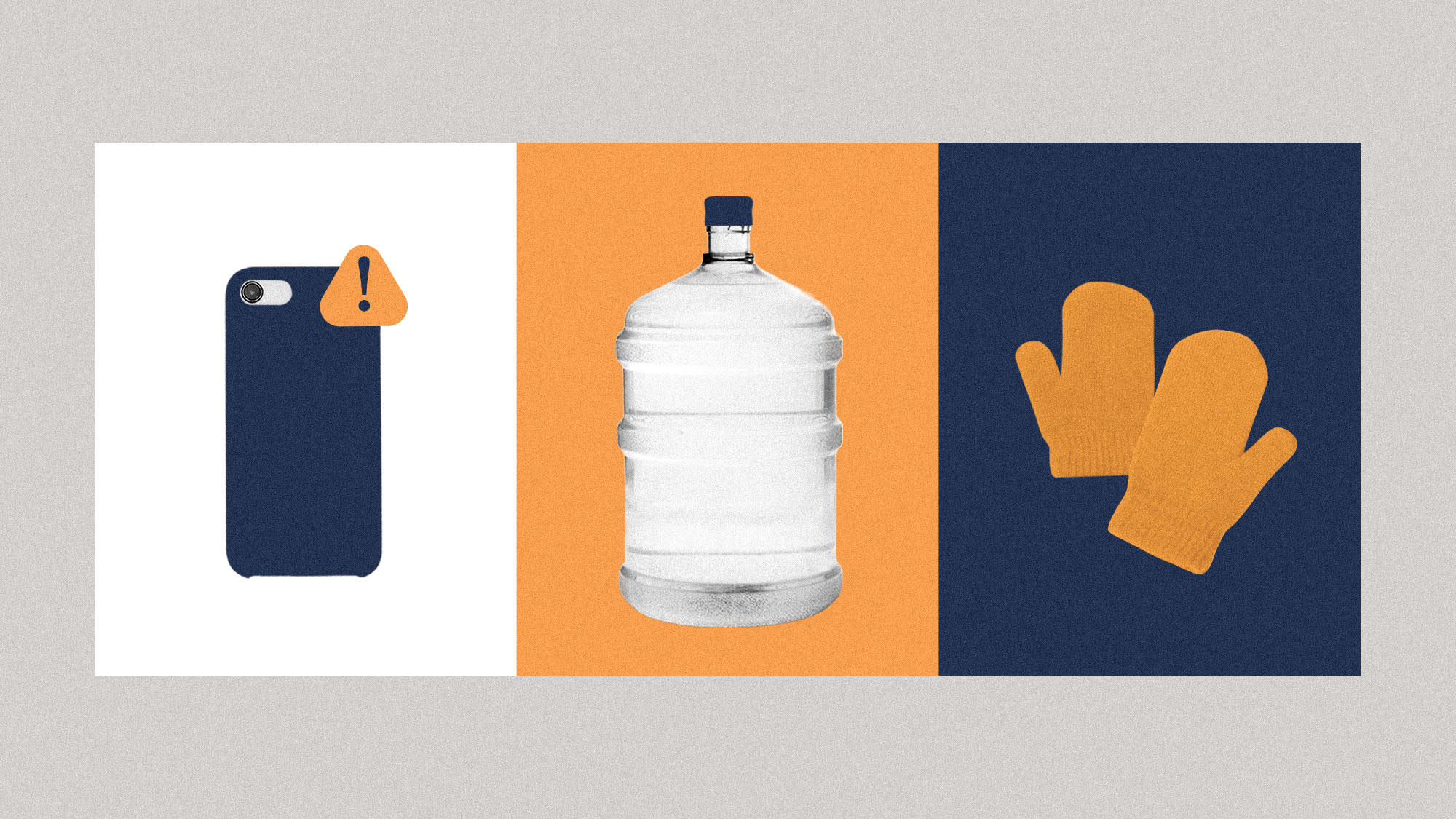
An ideal emergency kit should be assembled well in advance of peak storm seasons to avoid supply shortages and inflated prices associated with panic buying. Core items include a minimum of one gallon of water per person per day for at least three days, non-perishable food items, a manual can opener, a battery-powered or hand-crank NOAA Weather Radio, flashlights, extra batteries, a first-aid kit, and multi-purpose sanitation supplies. For households residing in cold-climate regions or areas prone to heavy snowfall, keeping a secondary emergency kit inside the family vehicle—complete with blankets, jumper cables, sand or non-clumping kitty litter for traction, and an ice scraper—is strongly encouraged.
Specialized considerations must be made for vulnerable populations, including infants, elderly family members, and household pets. The American Society for the Prevention of Cruelty to Animals (ASPCA) outlines specific disaster preparedness guidelines for pet owners, emphasizing the need for pet-friendly evacuation shelters, adequate pet food supplies, and proper identification tags. Furthermore, individuals with disabilities have a legal right to accessible disaster communications and assistance, as emphasized by organizations such as the Partnership for Inclusive Disaster Strategies, which operates dedicated hotlines to assist disabled individuals in navigating emergency protocols.
Crucially, emergency kits must contain vital physical documents stored securely within water- and fire-proof containers. These documents include identification cards, property deeds, lease agreements, insurance policies, medical records, and financial statements. Access to these records is frequently required by federal agencies, such as FEMA, to expedite financial assistance and disaster relief claims following a declared emergency.
Structural Mitigation and Property Preparation
Mitigating potential property damage requires proactive physical reinforcement of residential and commercial structures. Given the high probability of heavy rainfall and subsequent flooding associated with this El Niño cycle, homeowners must inspect and clear gutters, downspouts, and storm drains to ensure adequate drainage away from building foundations. Installing sump pumps equipped with battery backups and backflow prevention valves can significantly reduce the risk of basement inundation.
For properties situated in designated flood zones, elevating critical utilities—such as electrical panels, water heaters, and heating systems—above anticipated flood levels can prevent catastrophic equipment failure. Property owners are also encouraged to review their insurance policies, noting that standard homeowners’ insurance typically excludes flood damage, requiring separate coverage through the National Flood Insurance Program (NFIP).
In regions anticipating sub-freezing temperatures and severe winter weather, property preparation shifts toward thermal insulation. Insulating exposed water pipes located in crawl spaces, attics, and exterior walls helps prevent freezing and subsequent pipe bursts. Sealing windows and doors with weatherstripping, servicing heating systems, and ensuring safe alternative heating sources are available further protect against extreme cold.
Adhering to Safety Protocols During Extreme Weather Events
When severe weather strikes, adhering to established safety protocols can prevent injury or loss of life. If a power outage occurs, residents should immediately turn off major electrical appliances to prevent power surges when electricity is restored, keep refrigerator and freezer doors closed to preserve food safety, and rely on battery-operated lanterns rather than candles to minimize fire hazards. Under no circumstances should portable generators be operated indoors, in garages, or near open windows due to the lethal risk of carbon monoxide poisoning.
For communities impacted by heavy rainfall and rising floodwaters, the golden rule established by emergency responders is clear: "Turn Around, Don’t Drown." Just six inches of fast-moving water can knock an adult off their feet, and a mere two feet of rushing water can sweep away most vehicles, including full-size pickup trucks and SUVs. Drivers must never attempt to navigate flooded roadways or bypassed barricades.
During severe winter storms marked by heavy snowfall, ice accumulation, and freezing temperatures, minimizing unnecessary travel is paramount. If travel is unavoidable, motorists must check road conditions via state department of transportation websites before departing, equip vehicles with snow chains or winter tires, and carry a fully charged mobile phone alongside emergency supplies.
Broader Implications and Public Response
The convergence of climate change and a robust El Niño cycle underscores the growing vulnerability of modern infrastructure to extreme weather events. Municipalities across affected regions are increasingly allocating resources toward climate resilience projects, upgrading stormwater drainage systems, and modernizing electrical grids to withstand higher frequency disruptions.
Emergency management agencies emphasize that community resilience is fundamentally built upon individual preparedness. By adopting proactive measures—such as subscribing to local alerts, verifying authoritative information sources, assembling comprehensive emergency kits, reinforcing property structures, and adhering to strict safety guidelines during weather crises—communities can significantly mitigate the adverse impacts of the current El Niño season. Authorities urge residents to utilize available resources, consult local emergency management offices for community-specific guidance, and remain vigilant as meteorological conditions continue to evolve.