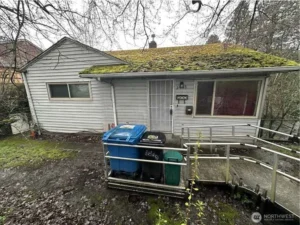
When preparing to put a residential property on the market, homeowners frequently grapple with the temptation to conceal minor defects or lingering household problems. The anxiety that a cracked foundation, a repaired roof leak, or an aging plumbing system might deter potential buyers or diminish the final sale price is a common hurdle in real estate transactions. However, the legal and financial repercussions of withholding material facts about a property far outweigh the short-term benefits of concealment. Transparency in real estate transactions is not merely a professional courtesy; it is a strict legal obligation designed to protect both buyers and sellers from catastrophic financial and judicial fallout.
The regulatory landscape governing home sales is heavily decentralized. Disclosure requirements fluctuate significantly across state lines, county jurisdictions, and even municipal boundaries. Whether a property is located in Anaheim, California, Pittsburgh, Pennsylvania, or Tampa, Florida, sellers must adhere to localized statutory frameworks. Generally, these laws mandate full disclosure regarding structural integrity, historical repairs, mechanical systems, environmental hazards, and neighborhood nuisances. Failure to comply can result in severe litigation, breach of contract lawsuits, and substantial financial penalties long after the ink on the closing documents has dried.
The Evolution and Importance of Full Disclosure in Real Estate
Historically, the real estate market operated under the legal doctrine of caveat emptor, or "let the buyer beware." Under this antiquated principle, the burden rested almost entirely on the purchaser to inspect, evaluate, and uncover any flaws within a property prior to purchase. If a buyer failed to notice a defective roof or a flooded basement before closing, they typically had little to no legal recourse against the seller.
Over the decades, consumer protection laws and real estate jurisprudence have evolved dramatically. Modern legislation has largely dismantled caveat emptor in residential real estate, replacing it with affirmative disclosure duties. Today, residential real estate sellers in the vast majority of jurisdictions are legally bound to complete standardized disclosure statements detailing the known condition of the property. This shift aims to correct inherent informational asymmetries between buyers, who possess no prior knowledge of the home’s daily operations, and sellers, who have lived with its idiosyncrasies for years.
The legal rationale behind mandatory disclosures is rooted in preventing fraud, misrepresentation, and mutual mistake. When a seller deliberately conceals a known defect—such as chronic basement flooding, polybutylene plumbing, or unpermitted structural alterations—they create an artificial valuation of the asset. When the new owner inevitably discovers these concealed issues, the resultant damages often extend far beyond the cost of repairs, frequently encompassing legal fees, diminished property values, and profound emotional distress. Consequently, a comprehensive disclosure packet serves as a vital legal shield for the seller. By putting all known cards on the table, the seller establishes good faith, significantly reducing the probability of post-closing litigation.
Mandatory Disclosures: What Must Be Shared With Buyers?
While specific requirements vary by geography, a broad consensus exists regarding what constitutes a "material fact" that must be disclosed during a residential transaction. Material facts are generally defined as any piece of information that could reasonably influence a buyer’s decision to purchase the property or affect the final purchase price.
Structural integrity sits at the top of the mandatory disclosure list. Sellers must report any past or present damage to the home’s foundational elements, load-bearing walls, roof trusses, and subflooring. This includes evidence of settling, shifting, seismic damage, or prior repairs executed to rectify structural failures. Closely tied to structure are environmental hazards. Federal, state, and local laws frequently mandate disclosures regarding the presence or historical remediation of lead-based paint (mandatory for homes built prior to 1978), asbestos insulation, radon gas accumulation, mold contamination, and underground storage tanks.
Mechanical and utility systems represent another critical category. Sellers are typically required to disclose the operational status and age of major home systems, including heating, ventilation, and air conditioning (HVAC) units, electrical wiring, plumbing networks, sewage or septic systems, and water heaters. If a system is operating at reduced capacity, prone to intermittent failures, or requires frequent maintenance, these operational quirks must be documented.
Furthermore, historical property events and legal encumbrances must be brought to light. This encompasses past insurance claims filed for property damage, unpermitted additions or remodeling work, ongoing property boundary disputes, easements, liens, and neighborhood nuisance issues such as chronic noise disturbances from nearby commercial operations or transportation hubs.
State-Specific Guidance and Regional Real Estate Realities
Because real estate statutes are enacted at the state level, sellers must familiarize themselves with the specific compliance mechanisms mandated in their jurisdiction. Some states employ exhaustive, multi-page standardized disclosure forms that systematically query the seller about every conceivable aspect of the home. Other states rely on broader legal mandates, requiring sellers to draft narrative disclosures or complete abbreviated checklists.
Regional environmental factors heavily influence these state-specific mandates. In coastal or flood-prone regions, such as Southwest Florida, disclosure protocols heavily emphasize meteorological and hydrological histories. Industry experts operating in these zones stress the heightened scrutiny applied to water intrusion and storm damage.
"In Southwest Florida, I tell buyers to start with flood and storm history," says Cole Murray, a local real estate expert with Murray & Team, reflecting on the aftermath of major weather events such as Hurricanes Ian, Helene, and Milton. "Any past flood claims, FEMA assistance, roof replacements, or water intrusion can directly affect whether a home is insurable and what that coverage will cost. I also flag vague answers like ‘unknown’ on major systems."
Similarly, states in seismic zones, such as California, prioritize earthquake retrofit documentation and proximity to active fault lines. In colder northern climates, disclosures frequently focus on ice damming histories, heating system efficiencies, and oil tank regulations. To navigate these regional complexities safely, sellers are strongly advised to consult their state’s real estate commission website, retain a qualified local real estate attorney, or collaborate closely with an experienced broker who understands local jurisprudence.
A Step-by-Step Disclosure Checklist for Sellers
To ensure absolute compliance and minimize the risk of omissions, sellers should approach the disclosure process methodically. Implementing a structured, step-by-step checklist helps streamline the documentation phase and builds immense credibility with prospective buyers.
Step 1: Conduct a Thorough Review of the Property
Before drafting any documents, the seller should walk through the property with a critical eye, systematically evaluating every room, the exterior envelope, the roof, and the grounds. Document any historical issues, chronic quirks, or past repairs, even those that were successfully remediated years prior.
Step 2: Collect and Organize Supporting Documentation
Transparency is reinforced by verifiable evidence. Sellers should compile a comprehensive file containing receipts, invoices, warranties, permits, and inspection reports related to any work performed on the home.
Highlighting the necessity of documentation, prominent real estate expert Laura Dandoy notes, "If the seller indicates that work or repairs have been done to bring the systems back to standard, ensure there are receipts and statements of condition for the work the seller completed. Big-ticket items like the roof, pool heater and filter, and HVAC system are some of the most common systems that need thorough inspection and understanding. Additionally, a mainline sewer inspection is recommended for most every home as the housing inventory has aged."
Step 3: Complete State-Mandated Disclosure Forms
Obtain the official disclosure forms required by the state or local real estate board. Fill out every section completely and accurately. If a question does not apply to the property, mark it appropriately rather than leaving it blank, which can be interpreted as an intentional omission.
Step 4: Maintain Active Updates Throughout the Sales Timeline
The home selling process is rarely instantaneous. If a new issue arises between the initial listing date and the final closing—such as a sudden plumbing leak during a heavy rainstorm or a malfunctioning garage door opener—the disclosure packet must be amended immediately to reflect the new reality.
Step 5: Deliver Complete Reports to the Buyer
Ensure that the completed disclosure forms, along with all associated repair receipts and third-party inspection reports, are formally delivered to the buyer within the contractual timeframes stipulated in the purchase agreement.
Avoiding Ambiguity: The Dangers of Guessing and Vague Wording
A common pitfall during the disclosure process occurs when a seller encounters a property issue of unknown origin or scope and attempts to downplay it through guesswork. Speculating about the cause of a crack in a retaining wall or dismissing a faint musty smell in the basement as harmless can lead to catastrophic legal misrepresentations.
When property issues are unclear, sellers must refrain from guessing. Instead, they should enlist licensed professionals—such as certified home inspectors, structural engineers, specialized contractors, or real estate attorneys—to evaluate the condition. Professional assessments establish objective baselines, ensuring that disclosures are formulated with factual precision rather than hopeful assumptions.
Furthermore, the language utilized in disclosure forms must be direct, explicit, and unambiguous. Vague phrasing or sweeping generalizations are frequent triggers for post-closing litigation.
Legal Implications of Common Disclosure Mistakes
The stress associated with executing a real estate transaction frequently leads to avoidable clerical and strategic errors during the disclosure phase. Understanding these common missteps and their associated legal consequences is essential for risk mitigation.
-
Failing to Update Disclosures Promptly
Properties are dynamic physical structures; wear and tear continues even while a home is listed on the market. Failing to update disclosures when new property defects emerge prior to closing constitutes active concealment. If a buyer discovers that a known issue developed during the escrow period and was deliberately kept secret, the contract can be voided, and legal damages pursued. -
Utilizing Vague or Overly General Language
Sellers often mistakenly view disclosure forms as marketing documents rather than legal instruments, utilizing vague descriptors like "minor repairs made" or "system works fine."
Jimmy Nguyen, an attorney at the Law Office of Jimmy Nguyen APC, offers a sharp critique of this mindset: "The biggest mistake is treating the disclosure as an inspection report. It is the seller’s answers about what the seller knows, and sellers forget, minimize, and sometimes lie. The second mistake is rushing through a thick packet under deadline pressure and missing a one-line disclosure that later becomes the whole case. Read every page, ask in writing about anything vague, get your own inspections, and keep the complete disclosure packet with your closing documents."
-
Concealing Past Issues That Were Successfully Repaired
A prevalent misconception is that if a major defect—such as a flooded basement or a failed sewer line—was professionally repaired, it no longer needs to be disclosed. In most jurisdictions, the history of the defect remains a material fact. Even though the problem has been solved, buyers have a legal right to know that the vulnerability previously existed, as it may influence their assessment of the home’s long-term durability. -
Neglecting to Retain Documentation
Completing a disclosure form without retaining copies of the paperwork, along with the supporting receipts and inspection certificates, leaves the seller vulnerable if a dispute arises. Maintaining a secure paper trail of all disclosures and communications provides undeniable proof of the seller’s transparency and good faith. -
Misunderstanding "As-Is" Sale Provisions
Many sellers operate under the false assumption that labeling a home sale as "as-is" completely eliminates their disclosure obligations. While an as-is clause indicates that the seller will not fund repairs or issue credits, it does not grant immunity against fraudulent misrepresentation or intentional concealment. Sellers remain legally obligated to disclose known latent defects regardless of the as-is designation.
Frequently Asked Questions Regarding Home Disclosures
Do sellers have to disclose neighborhood noise or nuisance issues?
Yes. In many jurisdictions, persistent environmental nuisances—such as barking dogs, noisy commercial neighbors, heavy traffic patterns, or local flight paths—are classified as material facts that can significantly impact a buyer’s quiet enjoyment of the property, necessitating disclosure.
What happens if a seller genuinely did not know about a hidden defect?
Sellers are not held legally liable for latent defects of which they had no actual knowledge and could not reasonably have discovered through diligent observation. The legal standard requires honesty regarding known issues, not omniscience.
Are sellers required to disclose a death on the property?
Requirements concerning deaths on residential properties vary widely by state. For example, California law mandates the disclosure of any death occurring on the property within the preceding three years. Other states limit this requirement exclusively to deaths resulting directly from structural failures or property conditions, such as carbon monoxide poisoning.
Do minor cosmetic flaws require formal disclosure?
Superficial cosmetic imperfections, such as minor paint chipping, scuffed baseboards, or minor drywall dings, generally do not require disclosure. However, sellers must exercise caution; if a cosmetic flaw masks a deeper structural issue—such as water staining disguised by fresh paint—it crosses the threshold into a material defect.
What are the legal consequences if a buyer discovers an undisclosed issue after closing?
If a purchaser can legally demonstrate that the seller possessed prior knowledge of a defect and deliberately failed to disclose it, the seller can be sued for breach of contract, fraudulent concealment, and negligent misrepresentation, potentially facing court-ordered restitution for repair costs and legal fees.
Conclusion: Protecting the Transaction Through Radical Transparency
Full disclosure is far more than a bureaucratic hurdle or a redundant administrative checkbox in the home-selling process; it is a foundational pillar of ethical real estate transactions and a vital legal safeguard. By embracing complete transparency, reviewing state-specific statutes, organizing comprehensive documentation, and consulting licensed professionals when uncertainties arise, sellers can navigate the market with confidence. Ultimately, radical honesty protects the seller from costly post-closing litigation while fostering an environment of trust and integrity between all parties involved in the transaction.