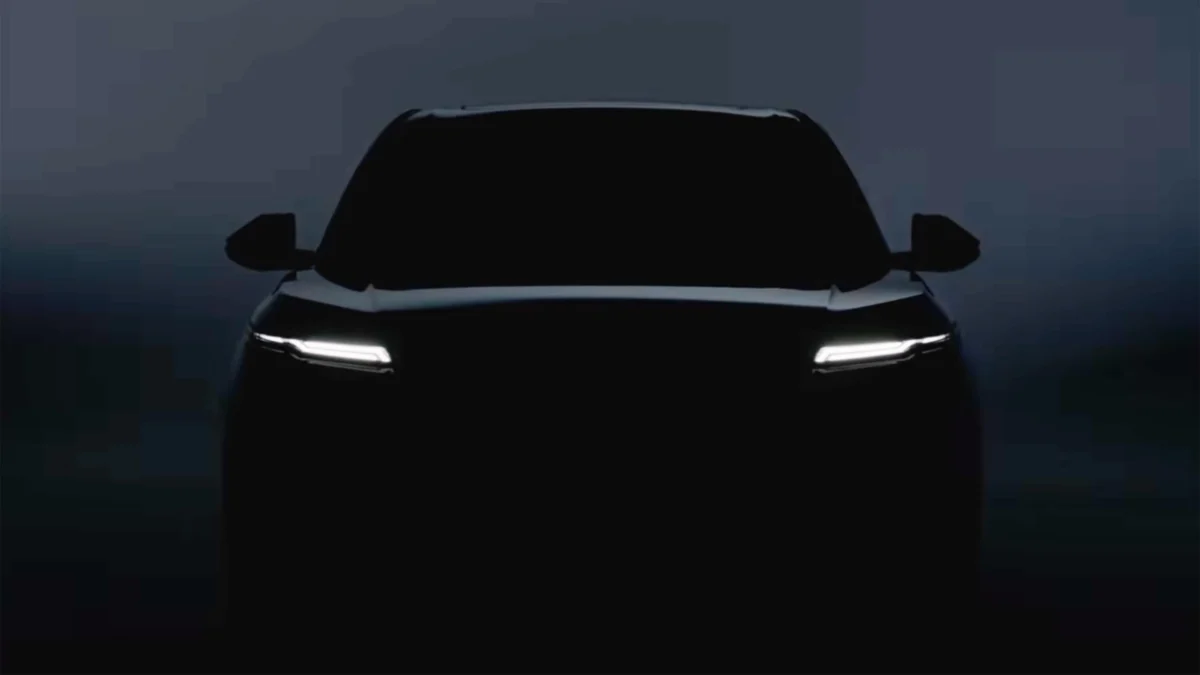
Honda has officially signaled a major shift in its global product strategy with the announcement of the upcoming Avancier, a high-specification, seven-seat family SUV designed to challenge established market leaders such as the Hyundai Santa Fe and the Skoda Kodiaq. While the Avancier nameplate has previously served as a regional moniker for a China-exclusive crossover, this new iteration represents a fundamental reboot. Engineered for the global market, the vehicle serves as the launchpad for Honda’s next-generation design language, hybrid propulsion systems, and advanced digital user interfaces. With production slated to commence in right-hand-drive configurations for Japan and Australia next year, the automotive industry is closely monitoring the possibility of an eventual UK release, where it would occupy a premium position above the current CR-V.
A New Chapter in Honda’s Design Philosophy
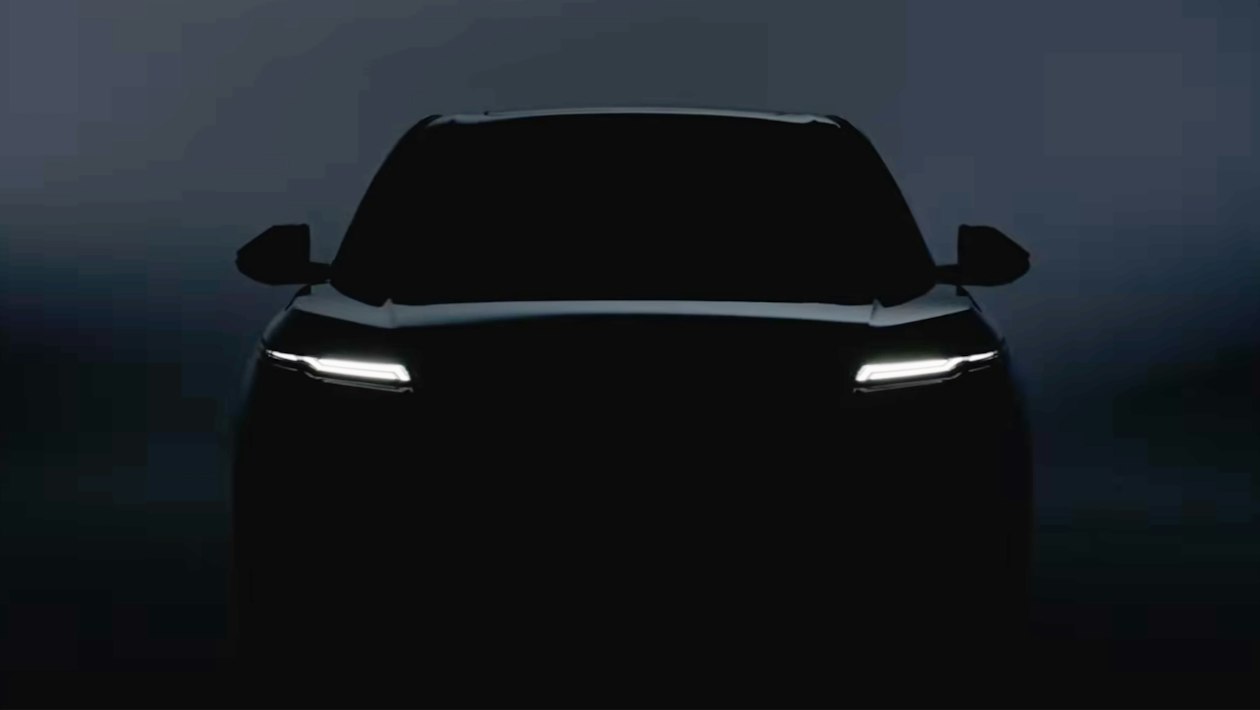
The Avancier is positioned as the vanguard of a new aesthetic direction for the Japanese manufacturer. Early design previews suggest a move toward a more monolithic, sculptural form that departs from the softer, more utilitarian curves of recent Honda SUVs. The exterior silhouette is defined by a bold, angular D-pillar and a crisp, high-waist character line that runs the length of the vehicle.
Most notably, the rear styling introduces a minimalist, high-tech aesthetic, utilizing slim, vertical LED light clusters. This approach creates a distinct visual signature that emphasizes the width and stability of the vehicle, drawing favorable comparisons to premium-segment offerings. At the front, the design language favors a sense of architectural solidity, characterized by thin horizontal light bars and a sculpted bonnet, which industry observers suggest may adopt a clamshell design to enhance the vehicle’s perceived build quality and aerodynamic efficiency.

Technical Evolution: The Next-Generation Hybrid Powertrain
At the heart of the Avancier’s value proposition is a highly sophisticated, next-generation hybrid system. This architecture evolves Honda’s existing e:HEV technology, which has already garnered industry praise for its blend of fuel economy and performance. The new system relies on a downsized, high-efficiency petrol engine that serves primarily as a generator, tasked with maintaining a charge in the battery pack.
The propulsion duties are handled by dual electric motors in standard configurations, with a third electric motor potentially integrated into the rear axle for high-specification models. This tri-motor setup would provide the Avancier with an intelligent all-wheel-drive capability, allowing for precise torque vectoring and improved traction across varying terrains. Honda has publicly stated that this powertrain is designed to be the most efficient of its class, a significant assertion given the competitive landscape of the hybrid market. By decoupling the engine from direct drive duties in many scenarios, the system minimizes mechanical losses, effectively bridging the gap between traditional hybrids and full battery-electric vehicles.
Interior Innovation and the Asimo Interface
The revolution continues within the cabin, where Honda is set to debut its new "Asimo" user interface. Originally developed as part of the ambitious, yet ultimately canceled, 0 Series electric car program, the software suite is now being repurposed for the brand’s broader hybrid lineup. This interface marks a departure from traditional infotainment setups, prioritizing high-resolution, responsive displays that span the dashboard.
Honda’s approach to the interior follows a philosophy of "Simplicity and Quality." The company has committed to reducing the variety of materials used in the cockpit, favoring higher-grade, sustainable fabrics and tactile surfaces that create a warm, inviting environment. Furthermore, the integration of a software-defined architecture remains a central goal. While the extent to which the initial Avancier units will support over-the-air (OTA) updates for core vehicle dynamics is still under evaluation, the foundational goal is to ensure that the car’s features can be improved and expanded through software long after the initial purchase.
Market Positioning and Competitive Landscape
The introduction of the Avancier fills a critical gap in Honda’s current portfolio. In the UK market, for example, Honda has historically lacked a direct, competitive answer to the seven-seater SUV segment—a category currently dominated by the Skoda Kodiaq, Hyundai Santa Fe, and Kia Sorento. By entering this space, Honda is targeting affluent families who require increased interior volume and modular seating without sacrificing the brand’s reputation for reliability and efficiency.
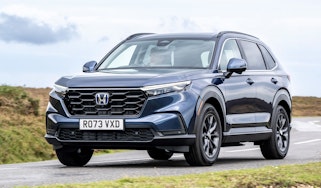
If the Avancier is introduced to the UK market, market analysts estimate a starting price in the region of £50,000. This price point places the vehicle firmly in the premium-mass-market crossover category, positioning it to compete with entry-level luxury SUVs from German manufacturers as well as top-tier offerings from established Asian brands. The move is seen as a strategic attempt by Honda to retain customers who might otherwise "graduate" from the smaller CR-V or ZR-V to larger, more expensive models from rival manufacturers.
Chronology of Development
The development of the Avancier follows a turbulent period for Honda’s advanced mobility initiatives. The timeline of this transition can be summarized as follows:
- 2024–2025: Honda announces the "0 Series" electric vehicle program, aimed at reinventing the brand’s design and software capabilities.
- Early 2026: Honda formally cancels the 0 Series program due to shifts in global demand and manufacturing constraints, pivoting the core technologies developed under that project toward the company’s mainstream hybrid vehicle lineup.
- November 2026: The company issues the first official teasers for the Avancier, confirming the application of the new hybrid powertrain and the Asimo interface.
- 2027: Anticipated commencement of production for the right-hand-drive market, targeting Japan and Australia as the primary launch regions.
Implications for the Automotive Industry
The pivot from the 0 Series electric project to the Avancier’s hybrid-first approach highlights a broader trend in the automotive industry: the tempering of aggressive all-electric timelines in favor of high-efficiency, long-range hybrid alternatives. By leveraging the research and development costs of the canceled EV program and applying them to a robust hybrid platform, Honda is effectively future-proofing its fleet against tightening emissions regulations without relying solely on the currently volatile charging infrastructure.
Industry experts suggest that this strategy could provide Honda with a competitive advantage. While many manufacturers are struggling to balance the high costs of EV production with consumer price sensitivity, Honda is offering a vehicle that provides the "feel" and "tech" of a modern EV while maintaining the practical, long-distance refueling convenience of a hybrid.
Official Stance and Future Outlook
Honda has remained relatively guarded regarding the specific output figures for the Avancier, maintaining that the priority is the optimization of the hybrid system’s duty cycle. Company representatives have suggested that further details regarding the chassis, suspension tuning, and specific safety technology will be revealed in the coming months.
As the industry moves toward 2027, the success of the Avancier will likely serve as a litmus test for Honda’s new design and technological direction. If the vehicle succeeds in combining the brand’s traditional strengths—reliability, engine efficiency, and packaging—with a new, high-tech interior and a more premium aesthetic, it could effectively reset the bar for the seven-seat SUV segment. For now, the Avancier stands as a significant statement of intent, proving that Honda is not merely keeping pace with its competitors, but is actively retooling its entire philosophy to remain relevant in a rapidly changing automotive landscape.