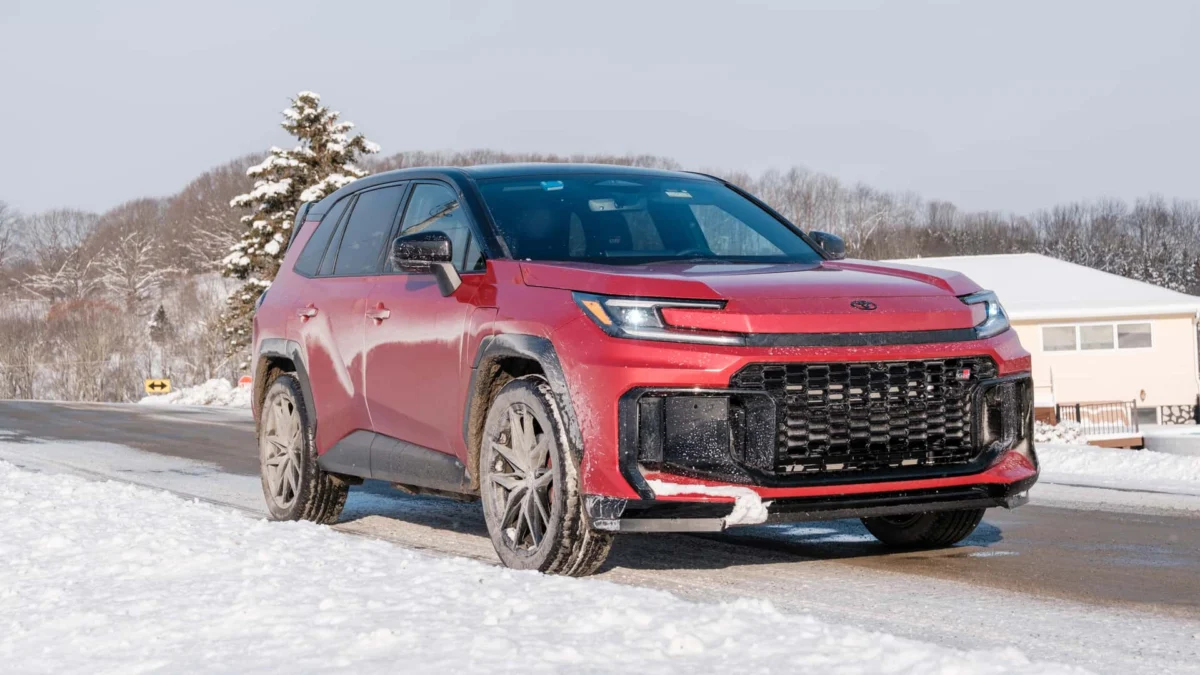
Toyota has officially updated its sixth-generation RAV4 Plug-in Hybrid (PHEV) for the 2027 model year, marking a significant transition in the vehicle’s electrical architecture. The most notable change is the implementation of the North American Charging Standard (NACS) port as a factory-standard feature across the entire model lineup. This move aligns Toyota’s most popular SUV with the broader industry trend toward a unified charging infrastructure, effectively deprecating the Combined Charging System (CCS) standard previously utilized by the automaker in this segment. Beyond the physical port change, Toyota has democratized its fast-charging capabilities, ensuring that even entry-level trims now benefit from reduced downtime at public charging stations.
A Strategic Shift in Charging Infrastructure
The transition to the NACS port represents a milestone for the RAV4 PHEV, which had previously utilized the CCS standard since its inception. When the sixth-generation model launched, fast-charging functionality was restricted to the higher-tier XSE and Woodland trims, creating a substantial barrier to entry for consumers seeking rapid-refill capabilities. To access that feature, customers were required to opt for premium configurations, often adding thousands of dollars to the base price of the vehicle.
By standardizing the NACS port and extending fast-charging capability to the entry-level SE and the performance-oriented GR Sport trims, Toyota has effectively removed the price-gated exclusivity of the technology. This update allows all 2027 RAV4 PHEV owners to access the expanding network of Tesla Superchargers and other NACS-compatible infrastructure without the need for cumbersome adapters. According to official specifications, the vehicle can achieve a 10% to 80% state of charge in approximately 30 minutes, drawing a maximum charging rate of 50 kilowatts.
Chronology of the RAV4 PHEV Charging Evolution
The evolution of the RAV4 PHEV’s charging system reflects the rapid pace of change within the automotive industry over the last three years. When the plug-in variant of the RAV4 first gained traction in the North American market, the industry was largely fragmented regarding charging hardware.
- Initial Launch Phase: The early sixth-generation models arrived with CCS ports, keeping the platform compatible with the then-dominant non-Tesla charging networks. During this period, fast-charging was treated as a luxury feature, reserved for high-end trims.
- The Industry Pivot: Throughout 2025 and 2026, major manufacturers—led by Ford, General Motors, and eventually the entire industry—began announcing their migration to Tesla’s NACS connector. Toyota’s decision to follow suit ensures that the RAV4 remains competitive in a market where charging convenience is a primary purchase driver.
- The 2027 Model Year Update: The latest iteration represents the final stage of this transition, where NACS becomes the native standard across the entire trim walk, including the SE and GR Sport. Additionally, the relocation of the charge port to the driver’s side of the vehicle signifies a design refinement aimed at optimizing compatibility with varying charger cable lengths and parking orientations.
Technical Enhancements and Performance Metrics
The 2027 update is not limited to the physical connector. Toyota has also addressed home charging efficiency, which remains the primary method for most PHEV owners. The onboard AC charger has been upgraded, with the SE and GR Sport trims now supporting 11 kW AC charging. This is a significant increase from the previous 7 kW limitation, effectively reducing the time required for a full charge when connected to a Level 2 home station. The XSE and Woodland trims, which had already adopted this higher-capacity onboard charger in previous model years, maintain this standard.
The powertrain remains consistent with the established performance of the sixth-generation platform. The vehicle features a 22.7 kilowatt-hour lithium-ion battery, which provides an EPA-estimated electric-only range of up to 52 miles. This range is sufficient for the majority of daily commutes in urban and suburban environments. By combining this electric range with the internal combustion engine for longer journeys, the RAV4 PHEV continues to occupy a strategic middle ground between full battery-electric vehicles (BEVs) and traditional hybrids.
Competitive Landscape and Industry Context
The RAV4 PHEV occupies a unique position in the plug-in market. Very few PHEVs currently offer DC fast-charging, as most manufacturers prioritize smaller battery packs that rely exclusively on Level 1 and Level 2 charging. For example, the Mercedes-Benz GLC 350e continues to utilize the CCS standard, while the Mitsubishi Outlander PHEV, a direct competitor in the segment, persists with the CHAdeMO connector—a standard that is rapidly losing support in the North American market.
Toyota’s move to NACS solidifies its commitment to the North American charging ecosystem. By becoming the first major PHEV manufacturer to standardize NACS across a full model lineup, Toyota is positioning the RAV4 to benefit from the massive expansion of the Tesla Supercharger network. This creates a compelling value proposition: owners gain the flexibility of a long-range gasoline vehicle with the modern convenience of the most reliable fast-charging network currently in operation.
Analysis of Implications for Consumers and the Market
The decision to move the charging port from the passenger side to the driver’s side of the vehicle is a tactical design choice with significant user-experience implications. While there is no global industry standard for port placement, the move to the driver’s side simplifies the charging process for users who park in residential garages or driveways where the charger is positioned on the left.
However, this change also presents a minor challenge for users of older, "V3" Tesla Superchargers. These stations were designed with specific cable lengths intended for vehicles with rear-left charging ports. With the new RAV4’s port location, owners may find that they need to park more precisely at these older, shorter-cable stations. Conversely, the newer "V4" Supercharger installations, as well as those from major third-party networks like Ionna and Walmart’s charging initiatives, feature longer, more flexible cables designed to accommodate a wider variety of vehicle configurations. This suggests that the potential "cable reach" issue is a temporary hurdle that will diminish as the charging infrastructure continues to modernize.
Broader Impact on the PHEV Segment
The long-term implication of these upgrades is the potential for increased adoption of plug-in hybrids as a "bridge" technology. Critics of PHEVs have often pointed to slow charging speeds as a reason to avoid the segment, arguing that if a vehicle must be plugged in, the process should be as seamless as that of a dedicated EV. By enabling 50 kW fast-charging, Toyota is addressing these concerns head-on. A 30-minute charge time is now low enough to make "top-up" charging while running errands a viable strategy, effectively extending the daily electric range of the vehicle far beyond its 52-mile rating.
For the automotive industry, Toyota’s update signals that the PHEV segment is not merely a placeholder for full electrification, but a category that will continue to receive significant engineering investment. As the cost of battery production fluctuates and the charging infrastructure continues to roll out, the ability for a vehicle to charge quickly and conveniently will likely become the standard requirement rather than an optional luxury.
In conclusion, the 2027 Toyota RAV4 PHEV update serves as a case study in how manufacturers are adapting to a changing electrical landscape. By standardizing the NACS port, enhancing home charging speeds, and providing universal access to fast-charging capabilities, Toyota has ensured that the RAV4 remains a highly relevant, technologically forward-thinking option for consumers navigating the transition to electrified transportation. As the first major PHEV to fully embrace the NACS ecosystem, the RAV4 sets a new benchmark for utility and convenience in the plug-in hybrid market.