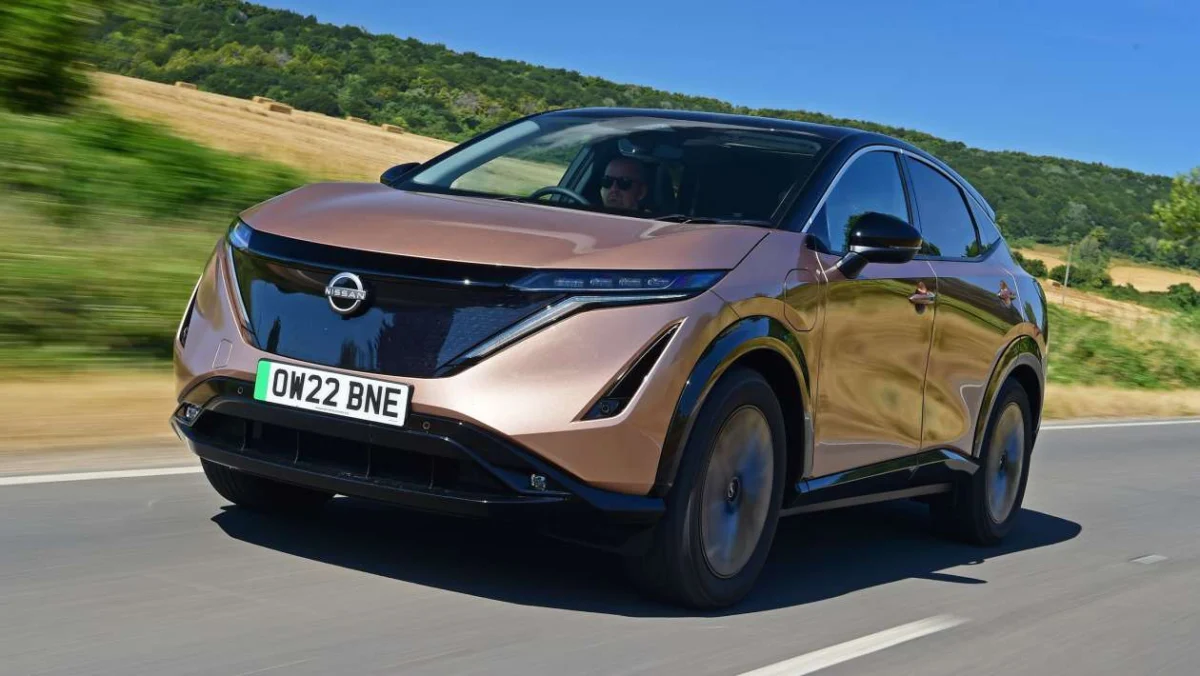
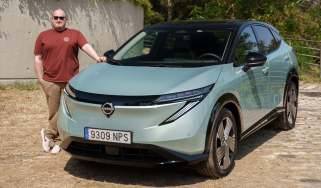
The automotive landscape has undergone a seismic shift since the initial launch of the Nissan Ariya, a vehicle that represented a bold departure from the pioneering but aging Leaf. As the Ariya enters its fifth year of production, the emergence of a robust used market for the Mark 1 (2021–2026) models has transformed the value proposition of Nissan’s flagship electric SUV. While the recently introduced 2026 facelift sought to align the Ariya’s aesthetic with the latest Nissan design language, it is the original iteration that is currently capturing the attention of savvy buyers. High initial depreciation, a common trend across the electric vehicle (EV) sector, has rendered early Ariya models significantly more affordable, offering premium electric motoring at a fraction of the original showroom price.
The Strategic Evolution of the Nissan Ariya
The Nissan Ariya was first unveiled as a concept at the 2019 Tokyo Motor Show, signaling the brand’s intent to move beyond the budget-friendly EV niche occupied by the Leaf. Built on the Renault-Nissan-Mitsubishi Alliance’s dedicated CMF-EV platform, the Ariya was designed from the ground up to maximize interior space and incorporate advanced driver-assistance systems.
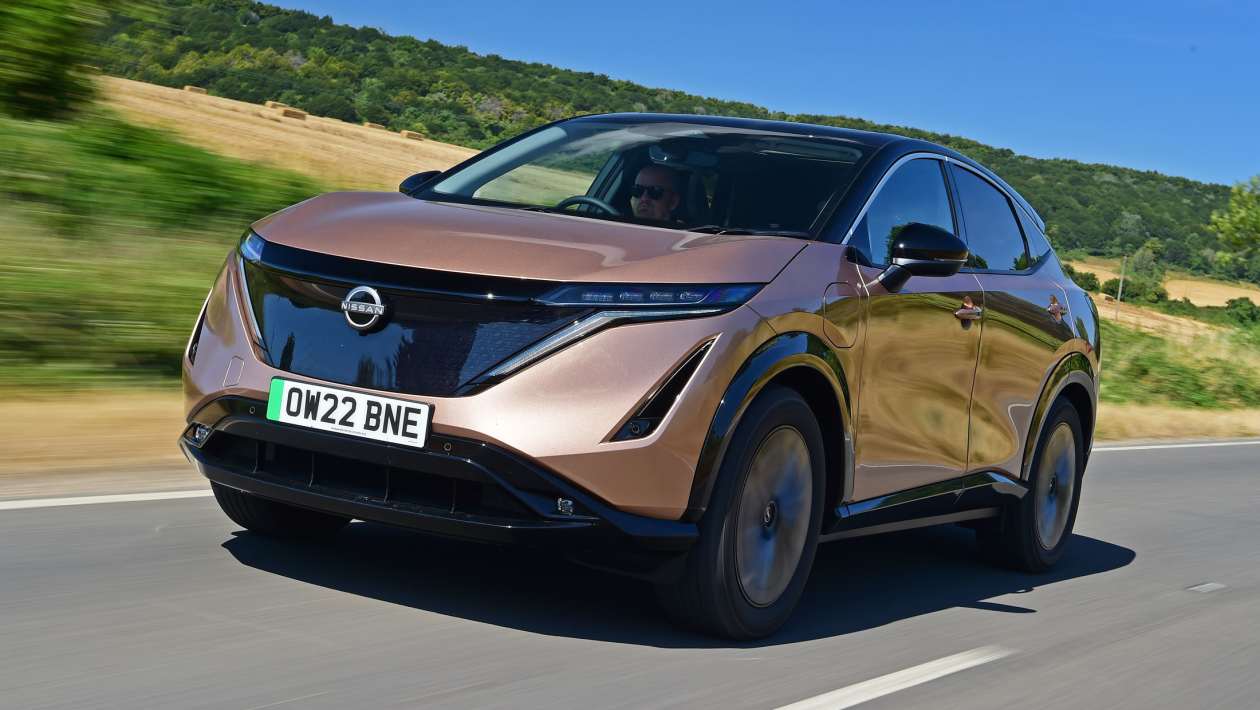
When it finally reached UK shores in late 2021, it was positioned as a premium crossover, competing directly with the Tesla Model Y, Volkswagen ID.4, and Hyundai Ioniq 5. Unlike the Leaf, which utilized an air-cooled battery and the CHAdeMO charging standard, the Ariya adopted liquid-cooled battery technology and the industry-standard CCS (Combined Charging System). This transition was critical for ensuring long-term battery health and compatibility with the burgeoning network of ultra-rapid chargers across Europe and North America.
Market Dynamics: The Appeal of a Used Ariya
In 2026, the used car market is seeing a steady influx of three-to-four-year-old Ariyas coming off lease agreements. For many consumers, the appeal lies in the vehicle’s "lounge-like" interior and high-quality materials, which have aged remarkably well compared to some of its more plasticky competitors.
Industry data suggests that the Ariya, like many high-end EVs, faced steep depreciation in its first 36 months. While this was a challenge for original owners, it has created a lucrative entry point for the second-hand market. Buyers are now finding well-maintained, mid-trim models for nearly 40% to 50% less than their original list price. This price correction makes the Ariya a formidable alternative to brand-new, smaller electric hatchbacks, providing families with more space and a higher level of technological sophistication for a similar monthly outlay.
Technical Specifications and Performance Metrics
The Nissan Ariya’s powertrain lineup was designed to offer versatility, a factor that remains a key selling point in the used market. Throughout its initial production run, the vehicle was available with two primary battery capacities and several motor configurations:
- 63kWh Battery (FWD): Offering approximately 218bhp and a range of up to 250 miles (WLTP). This variant is often sought after by urban commuters who do not require long-distance capabilities but want the Ariya’s premium cabin.
- 87kWh Battery (FWD): This long-range version produces 239bhp and boasts an impressive WLTP range of up to 329 miles. It remains the most popular choice for families and high-mileage drivers.
- e-4ORCE (AWD): Utilizing the 87kWh battery, the dual-motor e-4ORCE system provides 302bhp or 389bhp in the Performance trim. This system is praised for its "magic carpet" ride quality, as the motors independently manage torque and braking to minimize vehicle pitch and dive.
Charging capabilities across the range remain competitive. With a maximum DC rapid charging rate of 130kW, the Ariya can replenish its battery from 10% to 80% in approximately 30 to 35 minutes under optimal conditions. On the used market, buyers are encouraged to verify if the original owner opted for the 22kW on-board AC charger, which significantly speeds up charging at public "destination" chargers.
Interior Design and Practicality
One of the most distinctive features of the Ariya is its minimalist interior. Nissan designers utilized the flat floor provided by the CMF-EV platform to create a spacious environment that feels more like a modern living room than a traditional car cabin.
Key interior highlights include:
- Haptic Controls: Integrated into the wood-effect trim of the dashboard, these provide a tactile response without the clutter of physical buttons.
- Power-Sliding Center Console: This allows the driver to adjust the layout of the front cabin to their preference, a feature unique in its class at the time of launch.
- Dual 12.3-inch Screens: The infotainment and digital instrument cluster are housed in a single curved unit, providing a cohesive user interface that supports over-the-air (OTA) updates.
In terms of practicality, the front-wheel-drive models offer a 466-litre boot, while the e-4ORCE models see this reduced to 408 litres to accommodate the rear motor. While some rivals offer larger cargo areas, the Ariya compensates with superior rear-seat legroom and a flat floor that makes it easy for three adults to sit comfortably in the back.
The 2026 Facelift: A Double-Edged Sword
In mid-2026, Nissan introduced a mid-life update for the Ariya. The facelift brought a revised front fascia with styling cues borrowed from the latest generation of the Nissan Leaf, including a more prominent "V-motion" grille and updated LED light signatures. Nissan also adjusted the pricing strategy for the new models, lowering the entry-level price to stay competitive against aggressive pricing from Chinese manufacturers and Tesla.
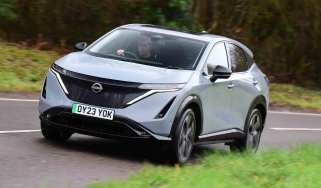
However, reviews of the 2026 facelift have been mixed. Critics note that while the exterior looks fresher, the updates to the interior tech, battery efficiency, and refinement were marginal. This has inadvertently bolstered the used market for the Mark 1 models; if the "new" car doesn’t offer a significant leap in range or charging speed, the value of a three-year-old original model becomes even more apparent.
Reliability and Ownership Considerations
As the Ariya matures, data on its long-term reliability has become more accessible. Overall, the vehicle has proven to be mechanically robust, benefiting from Nissan’s decade-plus experience with EV drivetrains. However, potential buyers of used models are advised to conduct specific checks:
- Software Status: Early 2022 models experienced occasional glitches with the infotainment system. Buyers should ensure all recall-related software updates have been performed by a Nissan-certified technician.
- Battery Health Reports: While Nissan’s thermal management system is effective, a battery health check (SOH – State of Health) is essential to confirm the capacity hasn’t degraded significantly, though most units are expected to retain over 90% capacity after five years.
- Tyre Wear: Due to the vehicle’s weight (approximately 1.9 to 2.3 tonnes) and the instant torque of the electric motors, tyre wear can be accelerated. Checking for premium, EV-specific tyres is a good indicator of how well the previous owner maintained the vehicle.
Broader Impact on the EV Sector
The Ariya’s journey from a high-priced flagship to a used-market bargain reflects the broader normalization of electric vehicles. The "low prices" mentioned in recent buyer’s guides are a symptom of a maturing market where supply is finally meeting demand in the second-hand space.
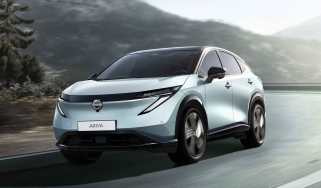
Furthermore, the Ariya’s success in the used market is crucial for Nissan’s "Ambition 2030" strategy. By establishing a strong residual value floor—even if that floor is lower than originally anticipated—Nissan builds confidence in its electric brand. It proves that these vehicles are not disposable gadgets but durable long-term assets.
Conclusion and Outlook
The Nissan Ariya remains one of the most comfortable and aesthetically pleasing electric SUVs on the road today. While the 2026 facelift offers a newer look and a lower starting price for new buyers, the original 2021–2025 models represent the "sweet spot" for those looking to transition to electric mobility without the premium price tag.
As the charging infrastructure continues to expand and consumer comfort with used EVs grows, the Ariya is well-positioned to become a staple of the second-hand market. Its combination of Japanese reliability, avant-garde design, and a sophisticated dual-motor system ensures that it remains a relevant and appealing choice, regardless of whether it was purchased in a showroom in 2022 or from a used car forecourt in 2026. For the family buyer contemplating the switch to electric, the Ariya remains a capable, upmarket-feeling option that now balances luxury with genuine fiscal pragmatism.