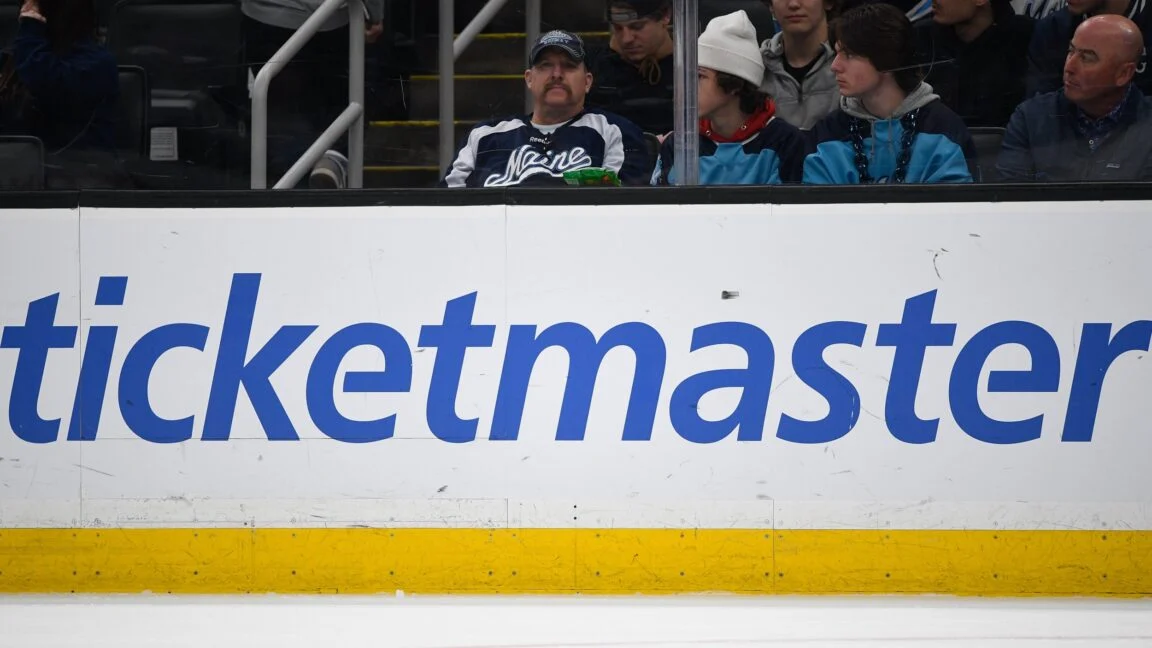
A coalition of 33 states and the District of Columbia has achieved a significant antitrust victory against Live Nation Entertainment and its subsidiary Ticketmaster, successfully concluding a high-stakes legal battle that began under the Biden administration. This landmark win comes in stark contrast to the Trump administration’s earlier decision to drop out of the case and pursue a separate, less stringent settlement with Live Nation, a move that blindsided many states and forced them to assume the lead role in the ongoing litigation. The outcome underscores the growing assertiveness of state attorneys general in challenging corporate monopolies, particularly when federal enforcement strategies diverge.
The Genesis of a Monopoly: A Decade in the Making
The antitrust scrutiny surrounding Live Nation and Ticketmaster is not a recent phenomenon but rather the culmination of years of consumer frustration and regulatory concern dating back to their controversial 2010 merger. At the time, the U.S. Department of Justice (DOJ) under President Obama had approved the merger with certain behavioral conditions, aiming to prevent the combined entity from leveraging its dominant position in concert promotion and ticketing to stifle competition. These conditions included prohibitions against retaliating against venues that chose competing ticketing services and requirements for Ticketmaster to license its primary ticketing software to competitors. However, critics and subsequent investigations argued that these conditions proved insufficient to curb the merged company’s growing power.
Live Nation Entertainment, formed from the merger, rapidly consolidated its control over various segments of the live entertainment industry. It became the world’s largest concert promoter, owning or operating a significant number of major venues, and, through Ticketmaster, controlled an estimated 70-80% of the primary ticketing market for major concert venues in the United States. This vertical integration created a formidable ecosystem where Live Nation could promote artists, book them into its venues, and then exclusively ticket those events through Ticketmaster. Competitors argued that this structure created insurmountable barriers to entry, limiting choices for artists, venues, and, ultimately, consumers.
Over the years, public outcry intensified, fueled by escalating ticket prices, often hidden and exorbitant "junk fees," and highly publicized fiascos such as the widespread technical issues that plagued the pre-sale for Taylor Swift’s "Eras Tour." Fans routinely complained about a lack of transparency in pricing, the inability to choose alternative ticketing providers, and the perception that they were being held captive by a single, all-powerful entity. These sentiments resonated with a renewed federal interest in antitrust enforcement, particularly under the Biden administration, which had signaled a strong commitment to tackling corporate power across various sectors.
Biden Administration Fires the First Shot
In May 2024, the U.S. Department of Justice, alongside a coalition of states, officially filed a sweeping antitrust lawsuit against Live Nation Entertainment. The lawsuit alleged that Live Nation had illegally maintained its monopoly over the live events industry through a series of anti-competitive practices, including long-term exclusive contracts with venues, retaliatory actions against competitors, and leveraging its promotional power to pressure artists and venues into using Ticketmaster. The core argument was that these practices violated Section 2 of the Sherman Act, which prohibits monopolization and attempts to monopolize. The suit sought to break up the company, arguing that only structural separation could restore competition to the market.
The filing of the lawsuit marked a significant escalation in the government’s efforts to address perceived market failures in the live entertainment industry. It was seen as a key test case for the Biden administration’s broader antitrust agenda, which emphasized vigorous enforcement against dominant firms across technology, healthcare, and other sectors. The initial involvement of a substantial number of states underscored the widespread concern among state regulators regarding Live Nation’s market practices and their impact on local economies and consumers.
A Shift in Power: Trump Administration’s Intervention and Internal Strife
The political landscape, however, shifted with the transition to a new presidential administration. In a move that sent ripples through the legal and regulatory communities, the Trump administration, just months into its tenure, announced its decision to withdraw from the ongoing litigation against Live Nation Entertainment. This surprise announcement, made mid-trial in March 2026, left the states that had initially joined the federal suit feeling "blindsided."
Arizona Attorney General Kris Mayes, a vocal critic of the federal government’s change of course, did not mince words. "The Trump administration gave up the fight and wanted to let these companies off the hook easily," Mayes stated, directly contrasting the federal approach with the states’ continued resolve. "But we kept fighting for every Arizonan who has been charged too much by this illegal monopoly and we won."
The Trump administration’s proposed settlement terms reportedly focused on behavioral changes to Live Nation’s business practices and included civil penalties of up to $280 million. Crucially, it did not pursue the structural breakup of Live Nation and Ticketmaster—the primary objective of the initial federal lawsuit. For states opting to join this federal settlement, the financial remuneration was also modest; only six states—Arkansas, Iowa, Mississippi, Nebraska, Oklahoma, and South Dakota—chose this path, collectively receiving a total of $18.6 million. This figure paled in comparison to the potential impact of a full structural remedy.
This pivot by the federal government also brought renewed attention to internal dynamics within the Trump administration’s Justice Department. Gail Slater, a former assistant attorney general who led the U.S. Justice Department’s antitrust division from March 2025 to February 2026, publicly congratulated the states on their victory. Slater, a Trump nominee, had reportedly advocated for tougher antitrust enforcement during her brief tenure but resigned after less than a year. News reports at the time suggested she was forced to leave due to disputes with key Trump officials over the direction of antitrust policy. Her congratulatory message to the states could be interpreted as a subtle endorsement of their more aggressive stance, hinting at a philosophical divide within the former administration regarding corporate regulation.
The States Take the Lead: A Battle for Consumers
With the federal government stepping aside, the District of Columbia and 33 states—a formidable coalition including Massachusetts, Pennsylvania, Virginia, Connecticut, New York, Arizona, California, Colorado, Florida, Illinois, Indiana, Kansas, Louisiana, Maryland, Michigan, Minnesota, Nevada, New Hampshire, New Jersey, New Mexico, North Carolina, Ohio, Oregon, Rhode Island, South Carolina, Tennessee, Texas, Utah, Vermont, Washington, West Virginia, Wisconsin, and Wyoming—courageously opted to continue the litigation. This unprecedented display of state power highlighted a growing trend where state attorneys general step into the breach when federal enforcement priorities shift or when they perceive federal action as insufficient.
The states’ legal strategy likely mirrored much of the original federal complaint, focusing on Live Nation’s alleged anti-competitive tactics. These included the use of exclusive venue contracts, which locked out competing ticketing services and concert promoters; the bundling of services, pressuring venues to use Ticketmaster if they wanted access to Live Nation’s vast roster of artists; and the leveraging of its market dominance to impose unfavorable terms on artists and venues. The coalition argued that these practices ultimately harmed consumers by limiting choices, inflating prices, and suppressing innovation in the ticketing market.
The decision by so many states to press forward, even without federal backing, demonstrated a strong commitment to consumer protection and a unified belief that Live Nation’s practices constituted an illegal monopoly that demanded more than just behavioral changes. Their continued fight underscored the deep-seated public dissatisfaction with the status quo in live event ticketing.
The Verdict: A Resounding Win for the Coalition
"Today, we celebrate a victory for every fan, every artist, and every venue that has been unfairly impacted by Live Nation and Ticketmaster’s illegal monopoly," read a statement from one of the victorious state attorneys general, echoing the sentiments of many in the coalition. While the specific remedies imposed by the court were not immediately detailed, the states’ victory likely paves the way for significant structural and behavioral changes within Live Nation Entertainment. This could range from mandated divestitures—potentially separating Live Nation’s promotion business from Ticketmaster’s ticketing operations—to stringent new rules governing their business practices, aimed at fostering genuine competition.
The outcome stands in stark contrast to the modest $18.6 million settlement secured by the six states that aligned with the Trump administration’s deal. This disparity not only highlights the differing legal philosophies but also underscores the potential for much greater impact when regulatory bodies pursue structural remedies rather than merely behavioral modifications. For the 34 jurisdictions that persevered, the victory represents a vindication of their decision to continue the fight and a testament to the power of collective state action.
Industry Reactions and Future Implications
The immediate reaction from Live Nation Entertainment was not publicly available, but typically, companies facing such a verdict might issue statements denying wrongdoing, emphasizing their commitment to fans, or indicating an intent to appeal the decision. However, the legal precedent set by this state-led victory is undeniable.
Consumer advocacy groups, which have long championed stricter regulation of Live Nation, celebrated the win. Organizations like the American Economic Liberties Project and Fan Freedom have consistently argued that the existing market structure harms consumers and artists alike. Their likely response would be to call for robust enforcement of any remedies ordered by the court and to monitor Live Nation’s compliance closely.
The involvement and subsequent departure of Gail Slater from the Trump DOJ’s antitrust division provide a fascinating subplot. Her public congratulation of the states, despite her former role, suggests that even within the administration that chose to settle, there were voices advocating for more aggressive antitrust enforcement. This internal conflict highlights the broader ideological debates surrounding the role of government in regulating large corporations.
Broader Impact: Antitrust Enforcement and State Power
This landmark ruling carries profound implications beyond the live entertainment industry. It sends a clear message that state attorneys general are increasingly willing and able to pursue complex antitrust litigation, even in the absence of federal leadership. This trend could empower states to take on other dominant players in concentrated markets, particularly in sectors where consumer grievances are high and federal action may be perceived as lacking.
For the ticketing industry, the decision could herald a new era of competition. Should the remedies include structural separation or significant changes to exclusive contracting practices, consumers could see a greater choice of ticketing platforms, potentially leading to lower fees, more transparent pricing, and improved service. Artists and venues might gain more leverage in their negotiations, fostering a healthier, more competitive ecosystem.
The case also serves as a powerful reminder of the enduring relevance of antitrust law in protecting market competition and consumer welfare. In an economy increasingly dominated by a handful of large corporations, the ability of both federal and state governments to challenge perceived monopolies remains a critical tool for ensuring fair markets. This victory for the states coalition against Live Nation-Ticketmaster stands as a testament to that enduring principle and will undoubtedly be studied for its legal precedents and its demonstration of robust state-level antitrust enforcement for years to come.