Tesla is facing mounting regulatory and legal pressure in South Korea following accusations that the electric vehicle manufacturer marketed and sold its "Full Self-Driving" (FSD) driver-assistance software to thousands of consumers whose vehicles were legally incapable of using the feature. A prominent consumer advocacy group is preparing a formal complaint to the Korean Fair Trade Commission (KFTC), alleging deceptive marketing practices that span multiple years and involve tens of thousands of motorists.
The controversy centers on a critical regulatory disconnect between where Tesla manufactures its vehicles and South Korea’s stringent automotive safety laws. While Tesla has aggressively promoted and monetized its Level 2 driver-assistance system globally, the situation in South Korea highlights a glaring operational oversight—or alleged intentional misrepresentation—regarding vehicle homologation, trade agreements, and software deployment restrictions. As local regulators prepare to review the upcoming consumer complaint, the case threatens to damage Tesla’s reputation in one of Asia’s most technologically advanced automotive markets and could set a significant precedent for how software-locked automotive features are regulated internationally.
The Core Controversy: Marketing Unusable Software
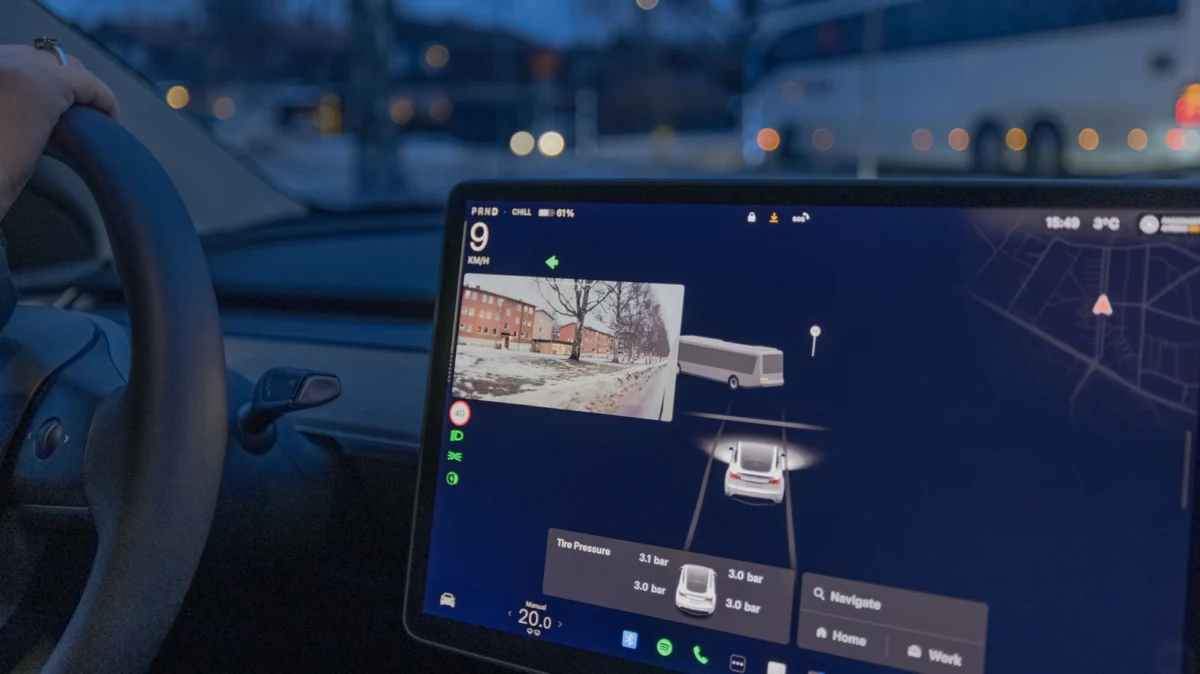
At the heart of the dispute is the stark contradiction between Tesla’s sales pitches and the legal reality on South Korean roads. For years, Tesla aggressively marketed FSD to prospective buyers in South Korea, encouraging them to pay a substantial lump-sum software activation fee—currently priced at approximately $6,726—to unlock advanced autonomous capabilities. However, according to testimony provided by Tesla Korea country manager Seo Young-deuk during regulatory hearings, only about 20% of all Teslas currently registered in South Korea can legally operate the FSD system.
The restriction is tied directly to manufacturing origin and international trade frameworks. Vehicles built in the United States and imported into South Korea meet specific vehicle-safety standards that South Korean authorities recognize under a bilateral free trade agreement. Consequently, U.S.-manufactured Teslas possess the regulatory clearance required to utilize FSD upon activation.
The vast majority of Teslas sold in South Korea, however, are manufactured in China. For years, vehicles rolling out of Tesla’s Shanghai Gigafactory lacked the requisite regulatory certifications under South Korean law to run the FSD software. Despite knowing that the overwhelming majority of its local inventory could not legally utilize the software, Tesla continued to market FSD broadly to all buyers, collecting substantial payments for features that remained dormant and inaccessible due to local regulations.
Chronology of the South Korean Market and the FSD Rollout
To fully understand the gravity of the allegations, it is essential to examine the timeline of Tesla’s market expansion in South Korea and the deployment of its driver-assistance software.
Between 2023 and the present, Tesla’s sales volume in South Korea surged, driven largely by competitively priced, China-manufactured Model 3 and Model Y vehicles. According to trade and industry data cited by Reuters, Tesla has sold more than 170,000 China-made vehicles in the country during this timeframe.
As sales of China-built Teslas accelerated, the proportion of eligible vehicles on South Korean roads plummeted. By the previous year, data indicates that an astonishing 99% of all new Teslas sold in the South Korean market were physically and legally incapable of running FSD due to the absence of local certification for Chinese-manufactured units.
Despite this overwhelming regulatory hurdle, Tesla’s marketing apparatus continued full steam ahead. The consumer advocacy group preparing the KFTC complaint points out that throughout the previous year, Tesla heavily promoted FSD as a feature "coming soon" to prospective buyers. Furthermore, the company published promotional demonstration videos filmed explicitly on South Korean roads without disclosing that the showcased technology was restricted to a microscopic fraction of the vehicles it was actively selling to the public.
It was only recently, after years of collecting FSD payments from owners of China-built vehicles, that Tesla formally initiated the complex bureaucratic process required to seek FSD regulatory certification for its Chinese-manufactured fleet. For early adopters who paid thousands of dollars upfront years ago, this belated regulatory pursuit offers little comfort.
Consumer Advocacy Action and the KFTC Complaint
The upcoming complaint to the Korean Fair Trade Commission represents a significant escalation in the battle between frustrated consumers and the American EV giant. The consumer protection advocacy group behind the filing accuses Tesla Korea of engaging in deceptive, misleading, and unfair trade practices under South Korean consumer protection laws.
The advocacy group is urging the KFTC to take swift and decisive punitive action. Their demands include:
- The issuance of a temporary cease-and-desist order halting all marketing of FSD for vehicle models that currently lack legal certification to use the software.
- The imposition of substantial administrative fines against Tesla Korea for misleading advertising.
- A formal referral of the case to state investigators for potential criminal inquiry into corporate fraud and deceptive commercial practices.
Legal Hurdles in South Korean Courts
While consumer advocates hope regulatory intervention will yield results, civil litigation has proven to be a difficult battleground for aggrieved Tesla owners.
Just prior to the announcement of the impending KFTC filing, a civil court in Seoul dismissed a class-action lawsuit brought by local Tesla owners who were seeking direct financial refunds for the FSD option. The plaintiffs argued that Tesla had fundamentally failed to deliver the goods and services they paid for, given that the software could not be activated on their vehicles.
However, the Seoul court rejected the plaintiffs’ claims, accepting a defense posture that places the responsibility on external regulatory frameworks rather than corporate misconduct. The court ruled that Tesla had not technically failed to provide the driver-assistance system as a software product; rather, it was regulatory red tape and legal restrictions enforced by South Korean authorities that limited the company’s ability to roll out and activate the features.
Legal analysts note that this judicial ruling creates a complex dynamic for the upcoming KFTC administrative complaint. While a civil court found that regulatory hurdles absolved Tesla of a straightforward breach-of-contract claim for non-delivery, the KFTC will evaluate the case through the lens of deceptive marketing—focusing specifically on whether Tesla deliberately obscured these known regulatory barriers while actively collecting money from consumers.
Broader Industry Implications and Global Precedents
The South Korean dispute is not an isolated incident for Tesla, which has faced mounting global scrutiny over the naming, marketing, and regulatory compliance of its "Full Self-Driving" and "Autopilot" suites.
In the United States, Tesla faces ongoing investigations by the National Highway Traffic Safety Administration (NHTSA) and class-action lawsuits concerning claims made about FSD’s capabilities. In Europe, regulatory pressures forced Tesla to temporarily alter its marketing language and navigate stringent European Union approval processes before deploying certain automated features.
The situation in South Korea, however, introduces a unique wrinkle: the conflict between software monetization and international supply-chain manufacturing origins. As major automakers increasingly shift production across global hubs—such as supplying Asian and European markets from factories in China—the issue of regional vehicle homologation becomes critically important.
If regulators at the KFTC side with the consumer advocacy group, it could establish a strict legal standard for multinational automakers operating in South Korea. The ruling would establish that selling software upgrades for non-compliant imported vehicles without transparent, upfront disclosures constitutes deceptive trade practices. For Tesla, an adverse ruling could trigger massive demands for refunds, administrative penalties, and a mandated overhaul of how software options are bundled and sold across its diverse global supply chain.
As the KFTC prepares to review the formal complaint, Tesla Korea faces mounting pressure to clarify its timeline for regulatory approval, address the grievances of tens of thousands of affected motorists, and defend its commercial practices in one of the world’s most fiercely competitive technology markets.