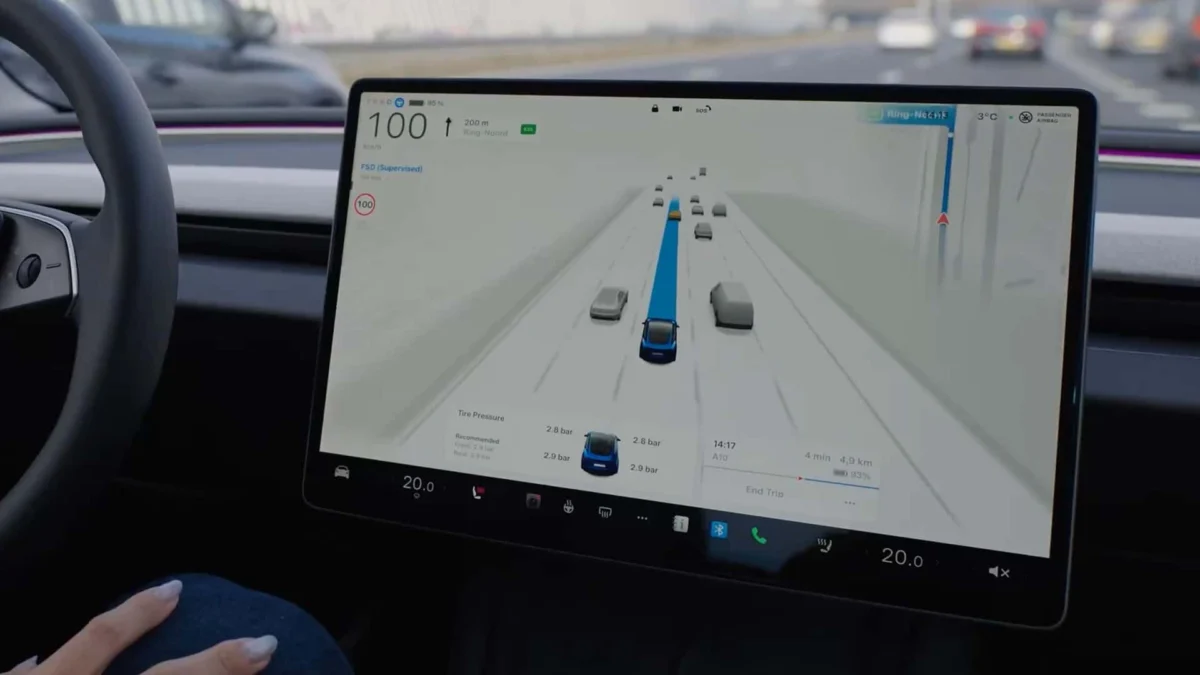
The situation has reached a critical juncture in South Korea, where a local consumer advocacy group, Citizens United for Consumer Sovereignty, has launched a formal complaint against the automaker. The group alleges that Tesla has misled its customers by collecting payments for Full Self-Driving (FSD) software that, for many owners, is functionally inaccessible due to regional manufacturing and regulatory constraints.
The Geography of Capability: Why FSD Remains Locked
The complexity of the FSD rollout in South Korea is intrinsically linked to the global supply chain and international trade policy. According to data reviewed by Reuters, only about 20% of Tesla vehicles registered in South Korea are capable of enabling the FSD software. These specific units are those assembled in the United States, which comply with U.S. Federal Motor Vehicle Safety Standards. Under a bilateral trade agreement, these vehicles are permitted entry into the Korean market without the requirement for additional local safety modifications.
Conversely, the remaining 80% of Tesla’s fleet in South Korea consists of vehicles manufactured in the company’s Shanghai Gigafactory. Because China does not share the same regulatory equivalency agreement with South Korea regarding the specific safety certification required for FSD, these vehicles are effectively locked out of the feature set. The issue is exacerbated by the sheer volume of these imports: since 2023, Tesla has imported approximately 170,000 Chinese-built vehicles into Korea. Last year alone, the volume of these imports increased five-fold. By 2025, an estimated 99% of new Tesla imports into the country originated from China, rendering the vast majority of new buyers ineligible for the very software they may have paid a premium to acquire.
A Decade of Development: The Chronology of FSD
To understand the current tension, one must look at the evolution of Tesla’s autonomous narrative. What began nearly a decade ago as a visionary promise has undergone multiple identity shifts.
- 2015–2016: Tesla introduces the concept of Full Self-Driving hardware, promising a future where vehicles will navigate complex environments without human intervention.
- 2019: The "Beta" era begins, with limited rollouts of advanced features, though the software remains strictly under the supervision of the driver.
- 2024: Tesla officially pivots to the "Full Self-Driving (Supervised)" branding, acknowledging that the software still requires constant human oversight.
- 2025–2026: Regulatory bodies globally, including those in South Korea, begin to demand greater transparency regarding the limitations of the software, leading to the current wave of consumer complaints.
Throughout this period, Tesla has maintained that the delivery of these features is contingent upon ongoing technical advancements and regulatory approvals. However, for the average consumer, the distinction between "software not yet ready" and "software incompatible with my vehicle" has become increasingly blurred.
Consumer Advocacy and the Legal Landscape
The complaint filed by Citizens United for Consumer Sovereignty with the Korean Fair Trade Commission (KFTC) centers on the allegation that Tesla continued to market and accept payments for FSD—often costing buyers as much as $6,800—despite the knowledge that the software could not be activated on the majority of the vehicles sold in the region.
The financial and emotional toll on consumers has led to desperate measures. Some owners, frustrated by the inability to access a feature they paid for, have turned to unauthorized "jailbreaking" of their vehicle software to force-enable FSD. This practice is viewed by authorities as a severe safety circumvention, carrying risks that include high-voltage system damage, the voiding of warranties, and, in recent instances, criminal prosecution. Korean police have begun cracking down on these activities, with some individuals facing substantial fines of up to $15,000 or potential jail time.
The Judicial Verdict and Its Implications
The legal path for aggrieved consumers has proven difficult. Last week, the Seoul Central District Court dismissed a lawsuit brought by 88 Tesla owners seeking full refunds for the FSD package. The court’s ruling suggests that, under current contract law, Tesla did not violate its obligations.
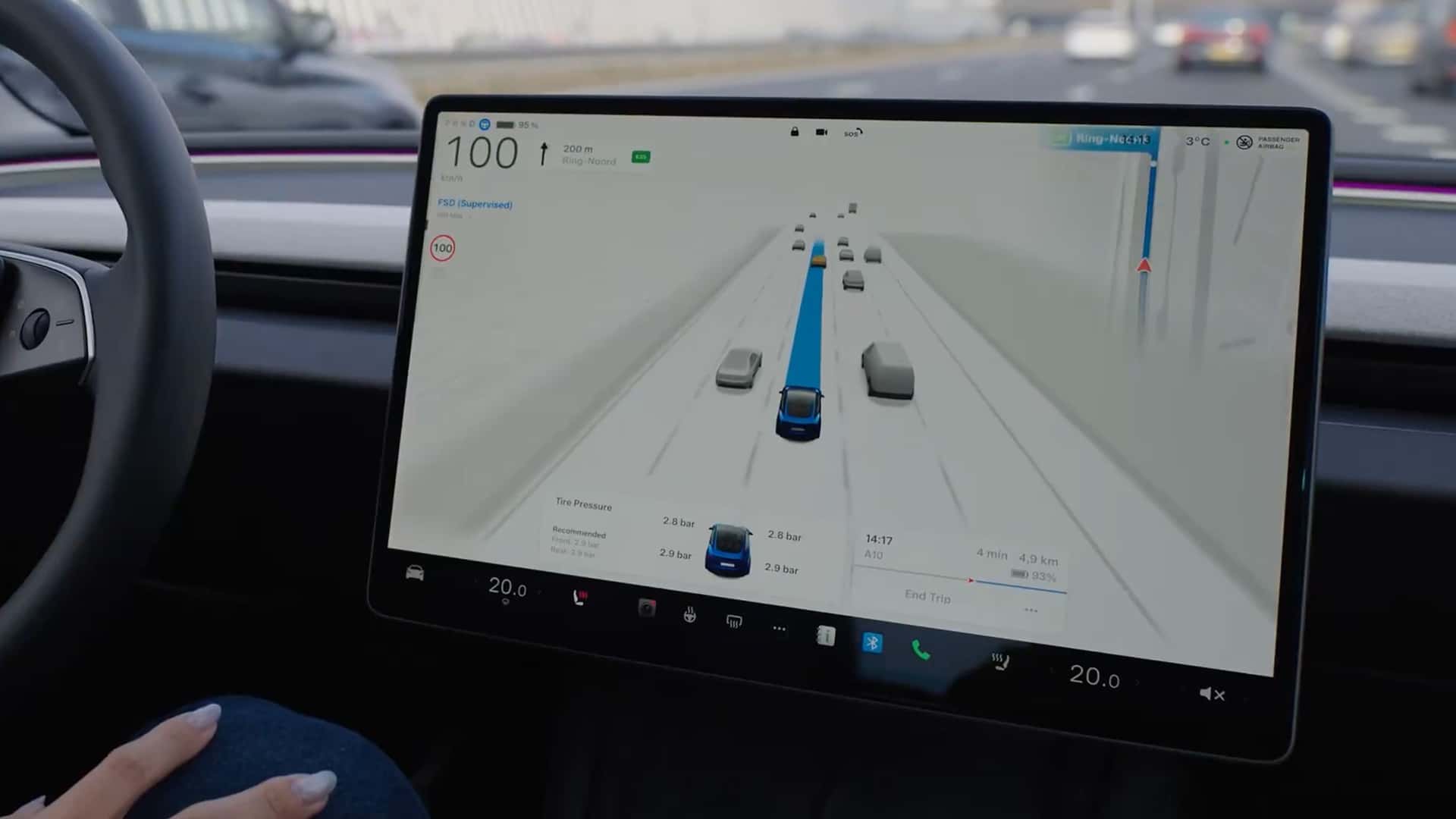
The court’s reasoning was rooted in the transparency of the purchase agreement: the judges noted that buyers were aware that the full realization of FSD features was dependent on future technical breakthroughs and complex regulatory approvals. Because these conditions were disclosed as potentially taking "considerable time," the court concluded that the delay in deployment does not constitute a breach of contract by Tesla.
While this ruling provides a legal shield for the company, it does little to address the mounting public relations crisis and the potential for regulatory intervention. The KFTC has confirmed that it launched an independent probe into Tesla’s advertising practices earlier this year. The scope of this investigation remains confidential, but it highlights a growing trend of international regulatory scrutiny directed at the marketing of "self-driving" technology.
The Broader Impact on Autonomous Driving
The situation in South Korea serves as a microcosm for the global challenges facing autonomous vehicle (AV) deployment. As manufacturers push for the rapid adoption of AI-driven driver assistance systems, the gap between consumer expectation and technical reality continues to widen.
The implications for the industry are twofold. First, there is the issue of "feature parity." When global automakers sell the same brand in different markets, the hardware and software capabilities often diverge due to local regulations. If these differences are not explicitly and clearly communicated at the point of sale, companies risk accusations of deceptive trade practices.
Second, the reliance on a "beta" or "supervised" development model has created a unique dynamic where consumers act as de-facto test drivers for software that is in constant flux. While this has allowed Tesla to gather massive amounts of real-world driving data, it has also placed the company in a precarious position regarding liability and consumer trust.
Looking Ahead
As of late 2026, Tesla has remained largely silent regarding the specific allegations in the KFTC complaint. The company’s standard practice has been to refer to the evolving nature of its FSD software and the disclaimer that "supervised" does not mean "autonomous." However, as more countries establish their own regulatory frameworks for AVs, the pressure on Tesla to provide clear, market-specific timelines—or to decouple payments from features that cannot be delivered—will likely intensify.
For the South Korean market, the immediate future will be defined by the outcome of the KFTC investigation. If the commission determines that Tesla’s marketing was misleading, it could set a precedent for how global automakers are required to disclose software limitations in international markets. For the owners who have invested thousands of dollars into an inaccessible dream, the resolution remains elusive, leaving many to wonder if the hardware they purchased will ever be capable of the promises made at the time of the sale.
The case of the 88 owners whose lawsuit was dismissed highlights the difficulty of holding tech-heavy automotive companies accountable for "future-dated" promises. While the court has sided with the manufacturer on the basis of contractual foresight, the court of public opinion remains skeptical. As the global automotive industry transitions toward higher levels of automation, the events in South Korea underscore a fundamental lesson: in the world of high-stakes technology, transparency in marketing is just as critical as the performance of the software itself. Until Tesla can align its global feature availability with its advertising, or resolve the regional regulatory hurdles that block its software, the friction between the company and its customers is unlikely to dissipate.