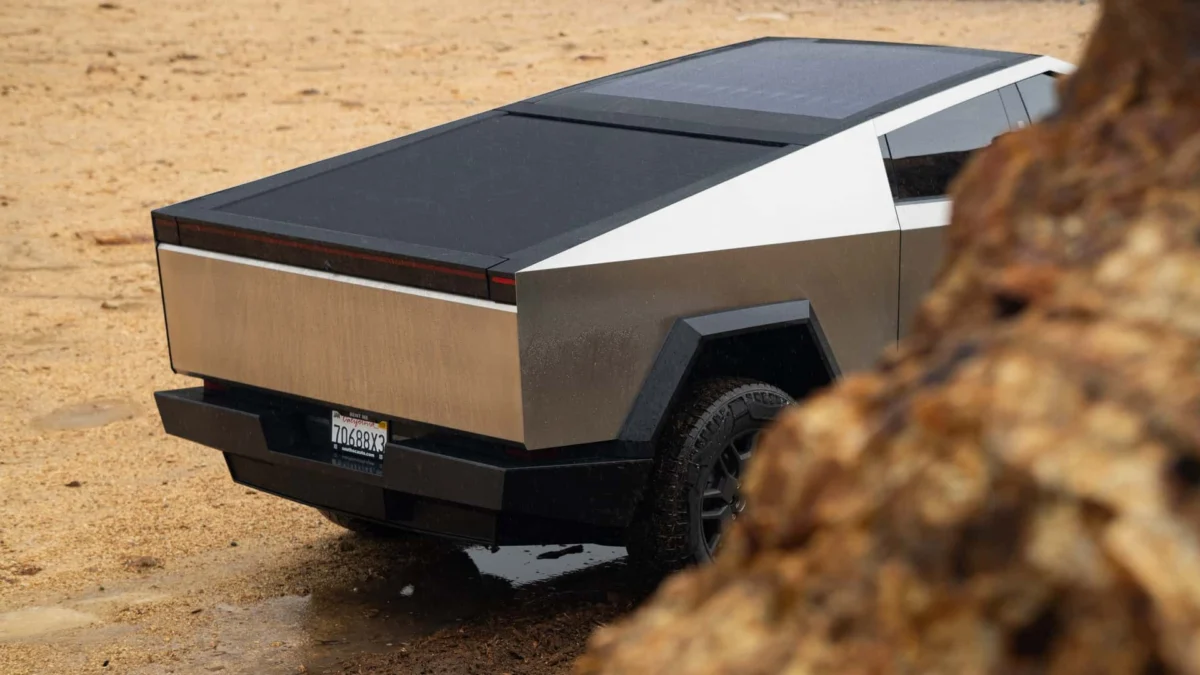
Tesla has officially extended the production timeline for its polarizing stainless-steel pickup, the Cybertruck, stretching the vehicle’s manufacturing window through the end of September 2027. The decision, confirmed by CEO Elon Musk, serves as a significant pivot from his previous announcement just last week, which had set a firm expiration date for the mid-2027 timeframe. This extension is aimed at clearing a persistent backlog of customer orders that the company has struggled to satisfy since the vehicle’s launch.
The move marks a notable departure from the company’s original strategic roadmap, which intended to sunset the pickup to reallocate manufacturing capacity at the Gigafactory Texas facility toward the development and mass production of the steering wheel-free Cybercab. While the extension offers a reprieve for hopeful buyers, Musk acknowledged that the decision prioritizes emotional resonance over pure fiscal optimization.
A Chronology of the Cybertruck Saga
The trajectory of the Cybertruck has been marked by extreme delays, high-profile engineering hurdles, and an unconventional marketing strategy. Announced in 2019 with a promise to disrupt the light-duty truck market, the vehicle did not enter the hands of initial retail customers until late 2023—nearly four years after its high-profile unveiling.
Following the commencement of deliveries, Tesla set ambitious internal targets, with Musk at one point suggesting that the company could reach an annual production volume of 250,000 units. However, reality fell short of these projections. Industry analysts estimate that total deliveries since the 2023 launch have hovered around the 70,000-unit mark.
The announcement of the vehicle’s eventual discontinuation earlier this month caught many in the automotive industry off guard. Initial reports indicated that production would cease in mid-2027, forcing Tesla to navigate the logistical nightmare of canceling existing reservations and refunding deposits. The latest adjustment to the schedule, which pushes the final manufacturing date into the fall of 2027, suggests that Tesla is attempting to fulfill as many high-margin orders as possible before the assembly line is dismantled for the Cybercab transition.
Supporting Data and Market Performance
The Cybertruck represents a rare instance in the modern automotive landscape where design aesthetic and cultural impact have significantly outweighed conventional market segmentation. Despite the intense media scrutiny and the vehicle’s divisive styling, the truck has maintained a fervent, if niche, following.
Financial analysts have noted that the Cybertruck is currently one of the most expensive mass-produced vehicles in Tesla’s lineup. Following the announcement of the impending production end, Tesla streamlined its offerings, effectively removing lower-tier trims and pivoting exclusively to the high-performance tri-motor "Cyberbeast." This model is now positioned with a starting price tag of approximately $110,000.
This pricing strategy serves a dual purpose: it maximizes revenue from the final units produced and acts as a filter for the remaining order backlog, ensuring that those who do receive a vehicle represent the highest possible margin per unit. However, this also excludes a massive segment of the initial reservation holders who signed up years ago with the expectation of a much lower entry-level price point.
Official Responses and Public Sentiment
The news of the impending production halt sparked a wave of reaction across social media and among the company’s investor base. A petition hosted on Change.org, which has garnered over 5,000 signatures, highlights the intensity of the "Cybertruck community," with many users demanding that the company maintain the vehicle as a permanent fixture in its portfolio.
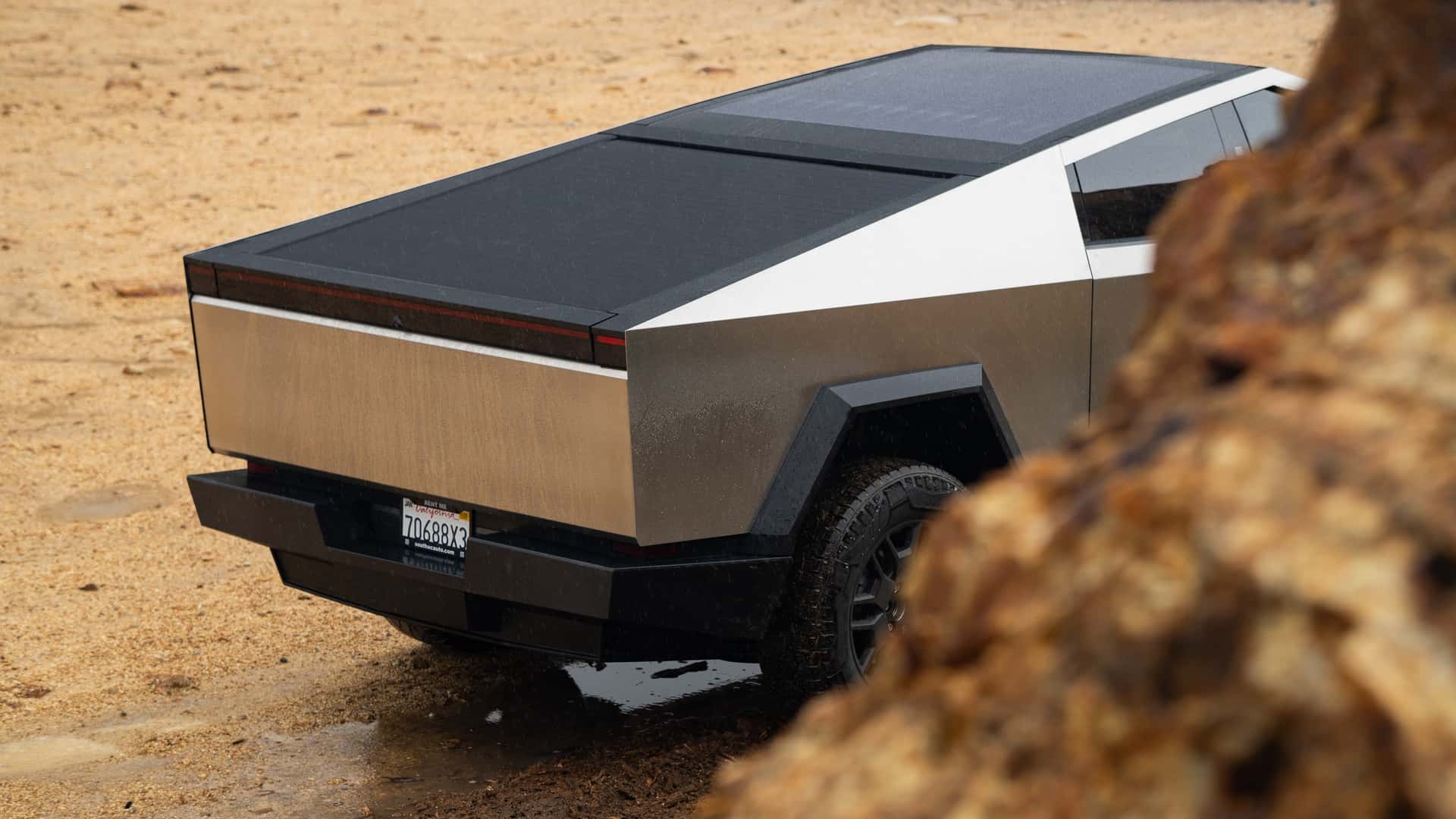
External entities have even expressed interest in intervening to preserve the truck’s existence. Unplugged Performance, a prominent aftermarket manufacturer specializing in Tesla components, has publicly discussed the possibility of engaging investors to potentially acquire the manufacturing rights or production assets should Tesla follow through with its retirement plans. While such a transition would be unprecedented for a vehicle of this scale, it underscores the unique cultural status the truck has achieved.
Musk’s own commentary regarding the extension—noting that the decision is "not the smartest move from a profit-maximizing standpoint"—highlights the tension within Tesla between its role as a publicly traded corporation beholden to shareholders and its identity as a brand driven by the personal preferences of its CEO.
The Shift Toward Autonomy: The Cybercab Transition
The primary catalyst for the Cybertruck’s eventual end is the strategic pivot toward the Cybercab. Tesla is under significant pressure to demonstrate progress in the autonomous vehicle space, particularly as competition from Waymo and other robotics firms intensifies. The Gigafactory Texas plant, which serves as the hub for Cybertruck production, is expected to undergo a massive retooling process to support the specialized, modular production lines required for the dedicated robotaxi platform.
The implications for Tesla are twofold. By extending the Cybertruck’s life, the company gains time to smooth out the transition to the Cybercab, potentially avoiding the supply chain bottlenecks that plagued the Cybertruck’s own rocky launch. However, it also delays the inevitable shift toward an autonomous-only future, keeping the company anchored to traditional vehicle manufacturing for an additional three months.
Broader Impact and Industry Implications
The "Cybertruck era" will likely be remembered as an inflection point in automotive history. It was the first vehicle to attempt to normalize the use of ultra-hard 30X cold-rolled stainless steel, a material choice that created immense manufacturing challenges, including the need for specialized laser cutting and bending techniques.
From a manufacturing perspective, the lessons learned from the Cybertruck are invaluable for Tesla. The company has developed proprietary processes for high-volume structural casting and large-scale metal fabrication that will likely be applied to future products. However, the decision to discontinue the truck after such a relatively short cycle—essentially a four-year production run—is an admission that the vehicle, while successful as a marketing tool and a technological showcase, is not a viable long-term volume driver for the company.
As Tesla prepares to enter the next phase of its corporate lifecycle, the extension of the Cybertruck serves as a final, sentimental chapter for a project that redefined what a pickup truck could be. Whether this extension is enough to satisfy the remaining customer base or if it merely delays the inevitable disappointment of those whose orders will ultimately be canceled remains to be seen.
Ultimately, the timeline through September 2027 provides a clear, albeit brief, runway for the "stainless-steel experiment" to conclude. For the automotive industry, the takeaway remains clear: even the most ambitious, high-tech, and controversial projects must eventually bow to the realities of market demand and the relentless pressure of technological evolution. As Tesla looks toward the Cybercab, the Cybertruck will remain a testament to a specific moment in time—a period defined by the ambition to break every rule in the automotive playbook.
Investors will be watching closely to see how the final 10 months of production impact the company’s bottom line. With the current $110,000 price point for the Cyberbeast, the final chapters of the Cybertruck’s story will be as much about revenue preservation as they are about concluding the legacy of one of the most polarizing vehicles of the 21st century.