The landscape of the pre-owned automotive market is undergoing a seismic shift as electric vehicles (EVs) transition from niche status to mainstream contenders. According to the latest market data from iSeeCars, used electric vehicles are not only gaining traction among buyers but are also outperforming their internal combustion engine (ICE) and hybrid counterparts in terms of sales velocity. As of September 2026, the data paints a clear picture: while the broader automotive market struggles with inventory stagnation, the pre-owned EV segment is witnessing a period of unprecedented momentum.
A Departure from Historical Trends
For years, the used EV market was defined by depreciation concerns and a lack of variety. Prospective buyers were often deterred by uncertainty regarding battery longevity and the dominance of a single manufacturer, Tesla. However, the market dynamics observed in September 2026 indicate a departure from these historical constraints.
While many industry observers might have expected Tesla to lead the charge in pre-owned volume, the latest figures reveal a surprising reality: no Tesla model secured a spot in the top 10 list of fastest-selling used electric vehicles. This development suggests a maturation of the market, where consumers are now looking beyond the early pioneers and showing a growing appetite for a more diverse array of electrified options from established legacy automakers.
Price Volatility and Market Economics
The financial landscape for used vehicles has become increasingly bifurcated. Year-over-year data from September 2026 shows that used EV prices increased by 9.8%, a significant jump compared to the 4.8% increase seen in the used hybrid market. In stark contrast, the used gasoline-powered vehicle market saw a marginal uptick of just 0.3%.
Economists suggest that this divergence is a direct consequence of long-term fuel price volatility. As consumers continue to face high costs at the pump, the total cost of ownership—rather than just the sticker price—has become the primary driver of consumer behavior. Each time a driver encounters high gas prices, the psychological threshold for switching to an electric vehicle lowers.
Karl Brauer, Executive Analyst at iSeeCars, noted that these pricing shifts are indicative of fundamental changes in drivetrain preference. "Ongoing higher fuel prices are likely driving the shift," Brauer stated. "However, the EV segment has also effectively recovered from the demand turbulence that followed the expiration of certain federal incentives a year ago. The market is finding its own equilibrium."
The Velocity of Sales: EVs vs. Internal Combustion
Perhaps the most telling metric in the current automotive market is the "days-on-lot" figure, which measures how long a vehicle sits in inventory before finding a buyer. In September 2026, used EVs spent an average of 41.9 days on dealer lots. This represents a 10.1% increase in sales velocity compared to the same period in 2025.
Conversely, gasoline-powered vehicles took an average of 54.8 days to sell—a timeframe that has lengthened by 19.9% year-over-year. This disparity underscores a widening gap in consumer interest. While dealers face an uphill battle moving traditional ICE vehicles, the demand for pre-owned EVs is clearly outpacing the current supply.
Critics of this data often point to the supply-side disparity. There are significantly more used gas and diesel vehicles available on the market; for example, platforms like Autotrader host well over 1.3 million used gas and diesel listings nationwide, compared to roughly 44,000 used EVs. While this inventory gap is undeniable, the fact that the lower-supply segment is selling nearly two weeks faster than the high-supply segment is a strong indicator of robust, underlying demand.
The Changing Face of the Top-Sellers
The absence of Tesla from the top 10 fastest-selling used EV list is perhaps the most significant revelation of the current quarter. Instead, the list is populated by vehicles that cater to a more traditional consumer demographic—those seeking practicality, distinctive styling, and premium interiors.
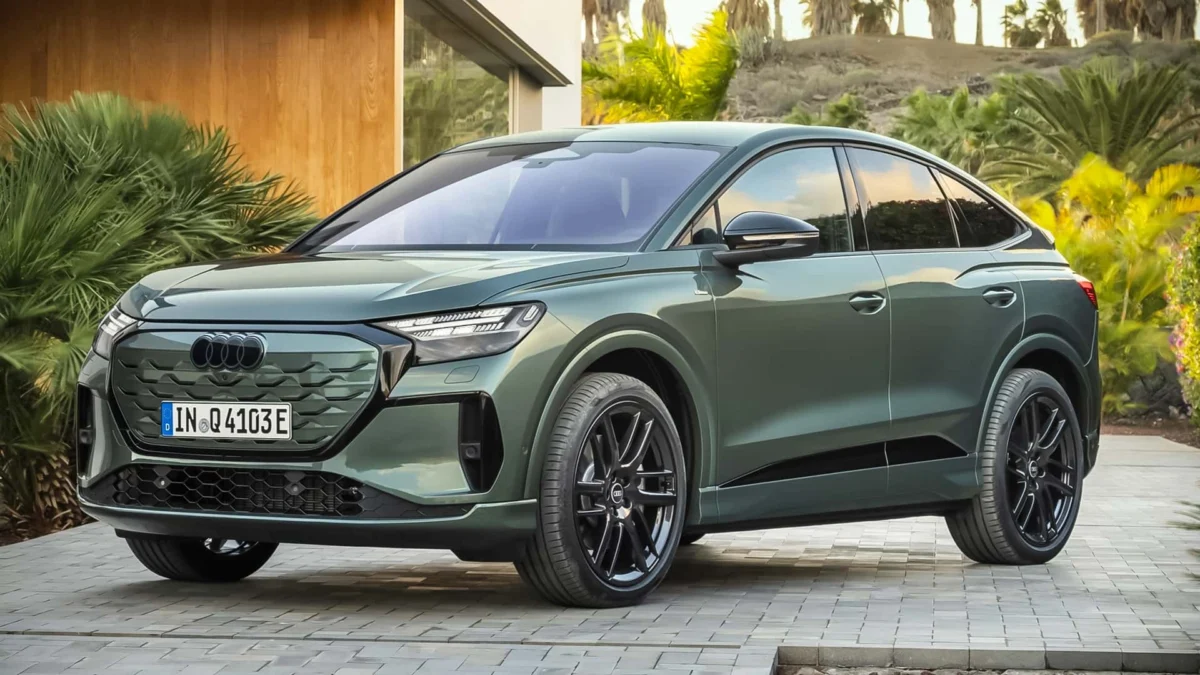
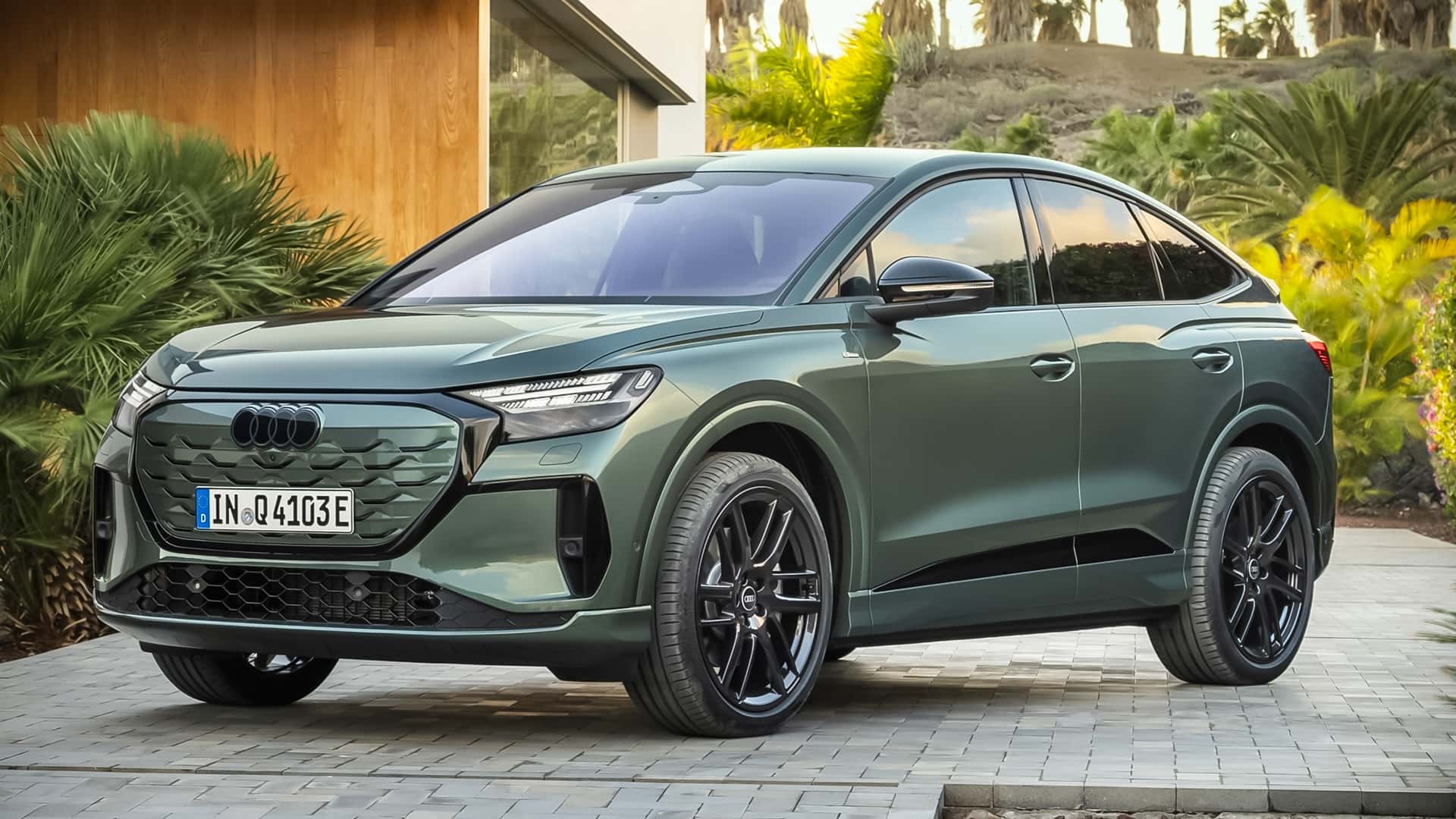
The Audi Q4 E-tron Sportback currently holds the title for the fastest-selling used EV, followed by the Toyota bZ4X and the Lexus RZ 300e. The list also includes the Honda Prologue, the BMW iX, and the Polestar 2. This suggests that the "second wave" of EV buyers is prioritizing brand loyalty and vehicle ergonomics over the pure tech-centric focus that characterized the early adoption phase.
Conversely, the slowest-selling EVs are primarily comprised of large, high-cost luxury SUVs and trucks. Models such as the Cadillac Escalade IQ, the GMC Sierra EV, the Chevrolet Silverado EV, and the Volvo EX90 are lingering on lots significantly longer than their smaller counterparts. The inclusion of the GMC Hummer EV on this list further highlights a potential ceiling for demand regarding ultra-premium, oversized electric trucks in the secondary market.
The Tesla Pricing Paradox
While Tesla vehicles did not crack the top 10 in terms of sales speed, the brand remains a major player in price trends. Interestingly, the Tesla Model S and Model X experienced price increases of 22% and 18%, respectively. These represent the highest price growth of any used vehicles on the market, regardless of their power source. This suggests that while these specific models may be moving slower than smaller, more affordable EVs, they retain significant value, likely due to their status as luxury performance vehicles with well-documented longevity.
Implications for Battery Longevity and Future Adoption
One of the most persistent hurdles to the widespread adoption of used EVs has been the "range anxiety" associated with degrading batteries. However, recent data—including studies from regions like Sweden—has begun to dispel the myth that EV batteries lose capacity at a catastrophic rate over time. As this information reaches the broader public, the skepticism surrounding high-mileage electric vehicles is beginning to dissipate.
The current market trend signals that the automotive industry is entering a new chapter. As more consumers opt for pre-owned electric models, the secondary market will play a crucial role in the global transition toward electrification. By providing a more accessible entry point for buyers who may be priced out of the new car market, the used EV sector is acting as a catalyst for broader adoption.
Looking Ahead
The data from September 2026 serves as a clear indicator of a market in flux. Manufacturers, dealers, and consumers are all navigating a landscape where the traditional metrics of success are being rewritten. For dealers, the challenge remains in sourcing enough quality inventory to meet the growing appetite for electric transit. For manufacturers, the data suggests that the future of the EV market may lie not just in high-end, futuristic trucks, but in the segment of practical, daily-driver crossovers that are currently dominating the secondary market.
As we look toward the remainder of the decade, the interplay between fuel costs, charging infrastructure, and pre-owned vehicle availability will remain the primary determinant of the automotive industry’s trajectory. The record-breaking sales pace of used EVs in September suggests that the transition is no longer a matter of "if," but a matter of how quickly the market can adapt to a new generation of buyers who have clearly made their preference for electric mobility known.