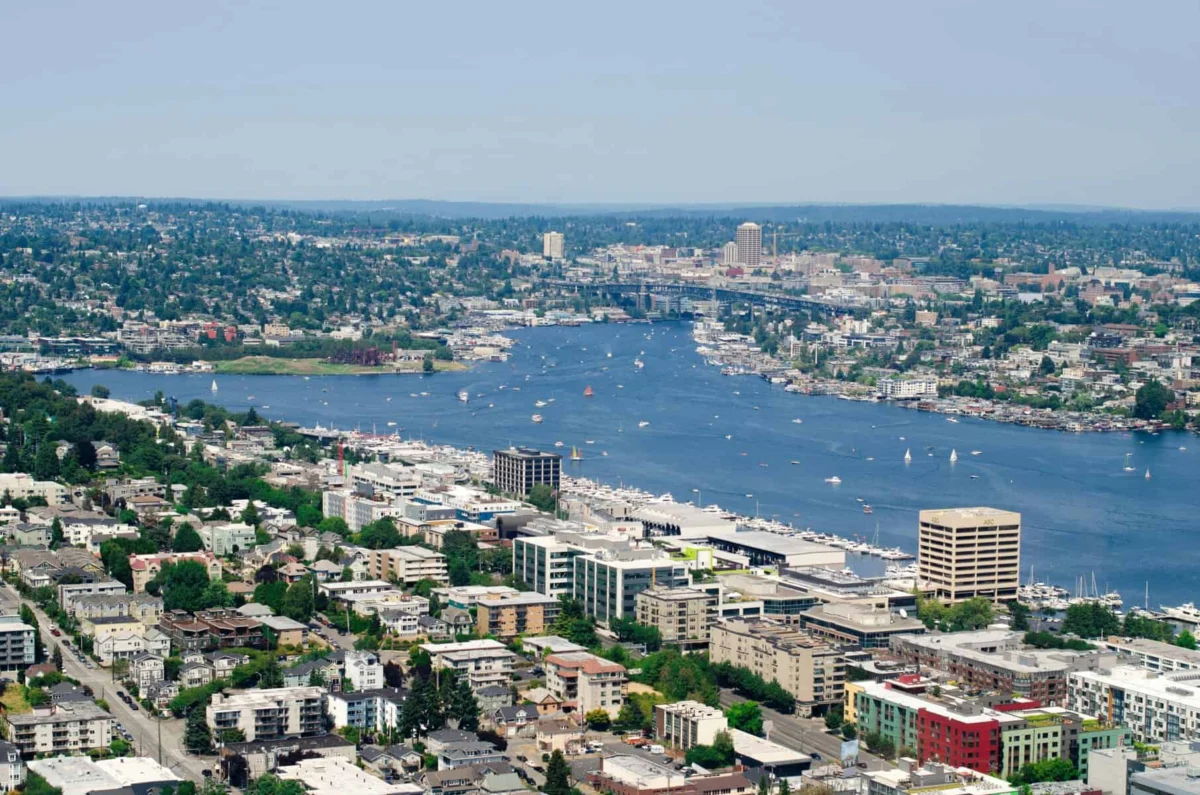
The cultural footprint of Grammy-winning rapper Macklemore is inextricably linked to Seattle, a city he has famously championed throughout his global career. It is only fitting that the artist calls Capitol Hill home—one of the Pacific Northwest’s most dynamic, historic, and culturally vibrant urban enclaves. Characterized by its leafy residential streets, preserved architectural heritage, avant-garde arts community, and immediate proximity to Seattle’s bustling downtown core, Capitol Hill remains one of the most fiercely competitive and sought-after real estate markets in the region.
Yet, for prospective buyers eyeing a slice of this prestigious neighborhood, the financial realities extend far beyond the baseline sticker price. Examining the estimated expenditures of purchasing and maintaining an estate comparable to Macklemore’s reported $6 million property reveals a complex matrix of mortgages, King County tax levies, specialized high-value insurance, and historic home upkeep. While the neighborhood attracts affluent professionals, tech executives, and creatives alike, navigating its property market requires careful financial planning.
The Financial Framework of a $6 Million Capitol Hill Estate
To understand the macroeconomics of Capitol Hill’s luxury sector, industry analysts break down the cost of living into concrete fiscal components. Assuming a benchmark property value of $6 million, the financial commitment is substantial from the outset.
A standard 20 percent down payment on a $6 million luxury home demands an upfront capital reserve of $1.2 million. For buyers opting for a more leveraged 10 percent down payment, the initial outlay is approximately $600,000, while a conservative 30 percent down payment requires locking up $1.8 million in equity. Because this valuation far exceeds King County’s jumbo loan thresholds—which sit at $1,063,750—purchasers must secure jumbo mortgage financing or rely heavily on liquid cash assets.
At prevailing 30-year fixed jumbo mortgage rates fluctuating between 6.75% and 7%, monthly principal and interest payments alone range from $31,000 to $33,000. When factoring in property taxes, comprehensive hazard and liability insurance, and routine estate maintenance, the total monthly cost of ownership for a premier Capitol Hill home can easily surge to between $40,000 and $45,000.
Regional Tax Structures and Municipal Assessments
Property taxes represent a significant and recurring operational expense for King County homeowners. Washington State relies heavily on property tax assessments to fund municipal services, public schools, and infrastructural development. The King County assessor’s office operates on a levy rate structure that currently averages approximately $9.91 per $1,000 of assessed property value, translating to an effective annual tax rate of roughly 0.8% to 0.9%.
For a luxury estate valued at $6 million, this tax burden materializes as an annual expenditure between $48,000 and $54,000, adding an immediate $4,000 to $4,500 to the homeowner’s monthly ledger.
Real estate experts emphasize that taxation is merely the baseline of municipal and structural costs. Sarah Skryabnev, sales manager at Thomas James Homes, points out that prospective buyers must account for the aging infrastructure prevalent in many of Seattle’s legacy neighborhoods. "Beyond the purchase price, buyers should budget for annual property taxes that can easily surpass $10,000, along with ongoing maintenance and modernization costs that often come with the neighborhood’s older housing stock," Skryabnev notes. Depending on the age, square footage, and historic designation of a property, specialized renovation projects can range from tens of thousands of dollars to well into six figures.
Insurance Liabilities in the Pacific Northwest Luxury Market
While the Pacific Northwest is generally regarded as a moderately priced market for baseline homeowners insurance compared to disaster-prone coastal regions or tornado alleys, high-value luxury properties demand specialized coverage. Insuring a $6 million estate requires securing policies that reflect full replacement cost rather than mere market value.
Property owners of high-end Capitol Hill real estate can anticipate annual insurance premiums ranging from $15,000 to upwards of $30,000. These fluctuating costs are dictated by the home’s square footage, historical construction materials, security infrastructure, and additional liability riders, such as umbrella policies and coverage for fine art or high-value personal assets.
The Broader Capitol Hill Housing Market and Entry-Level Real Estate
While multi-million-dollar celebrity estates capture public imagination, the broader Capitol Hill housing market serves a diverse demographic of urban residents. The neighborhood median home value hovers around $790,000, though condominiums—which serve as the primary entry point for median-income buyers—typically trade between $500,000 and $700,000.
However, condo ownership introduces its own financial variables. Clint Rogers of Raintown Realty highlights the hidden expenses that catch many first-time urban homebuyers off guard. "The median home here runs around $790,000, but condos often carry HOA dues of $400 to $1,000+ a month on top of the mortgage," Rogers explains. "Between that and Washington’s roughly 1% property tax, comfortably affording a median-priced home takes a household income near $140,000–$160,000, which is exactly the kind of hidden cost I make sure my first-time buyers factor in before they fall for a listing."
For renters choosing to forgo ownership in favor of neighborhood mobility, the rental market reflects the area’s high demand. Studio apartments in Capitol Hill typically command starting rates of $1,600 per month, while standard one-bedroom units average between $2,000 and $2,200. Larger two-bedroom configurations generally range from $2,600 to $3,100 per month, with luxury penthouses and standalone rental homes commanding significant premiums.
Architectural Heritage and Urban Maintenance Considerations
Capitol Hill’s residential grid is a physical timeline of Seattle’s architectural evolution, spanning more than a century of design. Streets are lined with grand early-20th-century Craftsman homes, classic brick Tudor revivals, stately Edwardian manors, and sleek, modern contemporary infills constructed during the city’s recent tech-boom expansions.
This architectural diversity presents unique challenges for property upkeep. Braden Sherman of RW Anderson Homes cautions buyers against underestimating the financial commitment required to maintain older structures. "One cost buyers can easily underestimate in Capitol Hill is the expense of renovating and maintaining its older housing stock," Sherman states. "Many of these homes have incredible character, but once you begin opening walls, projects can uncover outdated electrical and plumbing systems, structural issues, water intrusion, or other conditions that can add significantly to a renovation budget."
Furthermore, industry experts stress that property evaluation must encompass long-term exit strategies. Lucas Pinto, a prominent local real estate professional, emphasizes a holistic approach to urban property investment. "Seattle is an expensive city to own a home in, and the true cost goes well beyond the purchase price," says Pinto. "Property taxes, insurance, utilities, labor, remodeling, and ongoing maintenance have all become meaningfully more expensive, and I expect those costs along with real estate values over the long term to continue rising. A big takeaway for buyers is that you shouldn’t evaluate affordability based solely on the mortgage payment."
Market Appreciation and Strategic Implications
Despite high operational costs, Capitol Hill’s real estate market has demonstrated remarkable resilience and consistent long-term appreciation. This steady growth is underpinned by strict geographic boundaries, limited housing inventory, and unyielding demand from Seattle’s robust technology sector, healthcare systems, and creative industries.
As buyers weigh the pros and cons of urban investment, options continue to diversify. Laura Leitner, corporate marketing director at Century Communities, observes a broader regional shift among buyers evaluating high-cost urban cores against surrounding metropolitan hubs. "At the $1 million-plus price point, buyers are increasingly looking beyond the purchase price and asking what their investment delivers long term," Leitner notes. "In established Seattle neighborhoods, that can mean budgeting for updates and ongoing maintenance, while nearby markets such as Renton can offer newer construction, contemporary design, and lower-maintenance living with convenient access to both Seattle and Bellevue."
Ultimately, living in the shadow of cultural landmarks like Macklemore’s Capitol Hill residence offers an unmatched urban lifestyle characterized by historic walkability, culinary excellence, and vibrant community engagement. Yet, this front-row seat to Seattle culture demands a disciplined financial strategy, proving that the price of luxury extends far beyond the closing table.