The Australian political landscape has been thrust into intense turmoil following a volatile intersection of legislative proposals, industrial setbacks, and renewed debates over racial equity and governance. Across Canberra and state parliaments, federal and state leaders have been forced to respond to a cascade of controversial developments, ranging from One Nation’s sweeping new migration targets to the historic closure of a major blast furnace in Whyalla, South Australia. Compounding the national tension, resurfaced remarks by One Nation leader Pauline Hanson have sparked unprecedented bipartisan condemnation from Indigenous senators, while cabinet ministers face scrutiny over international energy markets and high-profile perks.

One Nation’s Radical Migration Plan and Parliamentary Backlash
The primary catalyst for the week’s political friction stems from One Nation’s newly unveiled immigration framework, which proposes cutting 750,000 temporary visas over a three-year period, resulting in net-negative overseas migration. The policy immediately drew sharp rebukes from economists and political figures alike during the ABC’s second National Forum on immigration and multiculturalism.
Appearing on the panel, former deputy prime minister and One Nation MP Barnaby Joyce defended the party’s stance, asserting that they would pursue the policy "no matter the cost." However, Joyce was unable to provide concrete financial costings or explain how the drastic reduction would impact the national budget and labor supply. He dismissed criticisms regarding the absence of Parliamentary Budget Office (PBO) oversight, stating that elected officials, rather than unelected economists, bear the ultimate democratic responsibility.
Panellist and political commentator George Megalogenis launched a scathing critique of the proposal, warning that a net-negative migration target of this scale has no precedent in modern Australian public policy and risks triggering an economic contraction comparable to the depression of the 1890s.
Liberal frontbencher Andrew Hastie also weighed in, criticizing Pauline Hanson for avoiding media scrutiny and releasing the policy via a pre-recorded social media video rather than facing journalists in person. Hastie questioned whether Hanson possessed the political courage required of a prospective prime minister, given her reluctance to publicly account for the economic, budgetary, and human repercussions of her platform. Meanwhile, Multicultural Affairs Minister Anne Aly defended the nation’s cultural diversity, arguing that immigration should not be framed as a constant deficit or a threat to social cohesion.

Industrial Shockwave: Whyalla Blast Furnace Closure
Away from the Canberra beltway, industrial anxieties are mounting in South Australia following the official announcement that a major blast furnace at the Whyalla steelworks is closing down, threatening more than 500 jobs.
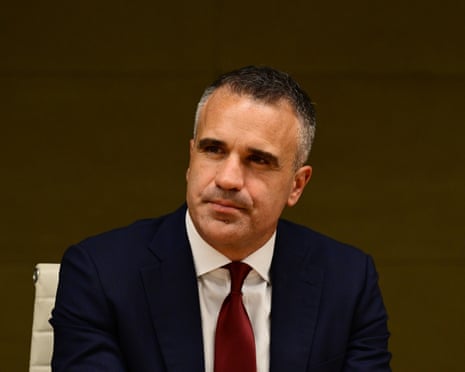
South Australian Premier Peter Malinauskas addressed the local community from the site while wearing high-visibility safety gear, acknowledging the community’s profound heartbreak and sense of inevitability. The blast furnace, constructed in 1965, has operated for over six decades without major capital realignment in the past twenty years. Malinauskas emphasized that keeping the facility operational for this long under such conditions was extraordinary, but stressed the urgent necessity of recapitalization to secure the future of Australian structural steel-making capacity.
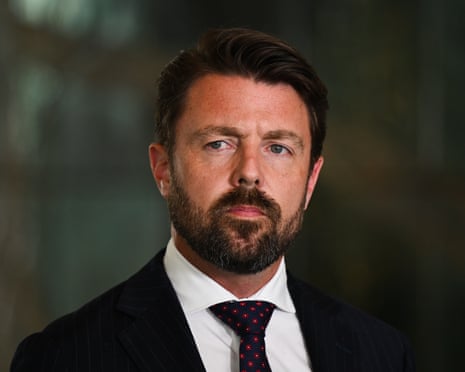
Federal Industry Minister Tim Ayres forcefully rejected opposition claims linking the closure to renewable energy prices or regulatory frameworks. Speaking on ABC RN Breakfast, Ayres placed the blame squarely on the historical underinvestment and maladministration of previous owners, noting that hundreds of engineering and safety vulnerabilities accumulated over decades. While unable to provide an exact figure for the public funds spent attempting to keep the aging infrastructure afloat, Ayres estimated that millions of taxpayer dollars had been funneled into administration and worker wage supports during the transition. State and federal authorities maintain optimism that the broader operation can be successfully sold and recapitalized by the end of the year, preserving remaining employment opportunities.
Bipartisan Outrage Over Resurfaced Senatorial Comments
Tensions in federal parliament reached a fever pitch following the resurgence of historical remarks made by Pauline Hanson, in which she described First Nations Australians as a "primitive" race.
The comments drew universal condemnation across the political aisle, prompting a historic show of solidarity among all four Indigenous senators in the federal parliament—Coalition senators Jacinta Nampijinpa Price and Kerrynne Liddle, government minister Malarndirri McCarthy, and independent Lidia Thorpe. This rare cross-bench alignment underscored the deep pain and offense caused by the rhetoric.
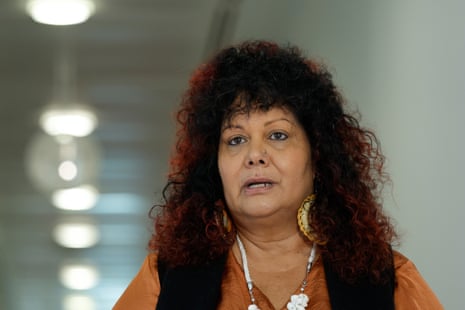
Minister for Indigenous Australians Malarndirri McCarthy formally called on Senator Hanson to issue a public apology, emphasizing that the statements were completely baseless, dehumanizing, and harmful to Indigenous Australians who have excelled in military service, sports, arts, music, and civil society. While acknowledging that the Senate possesses the power to formally censure Hanson—a measure taken against her in past parliamentary terms—McCarthy stressed that an upfront, personal apology is vital to acknowledge the profound hurt inflicted.
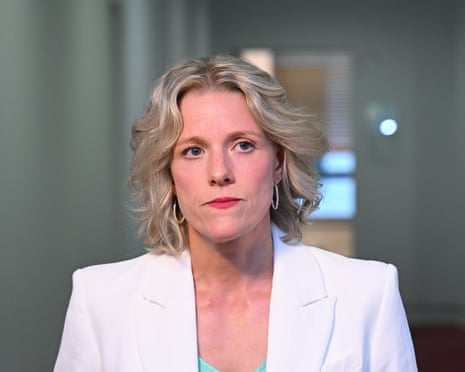
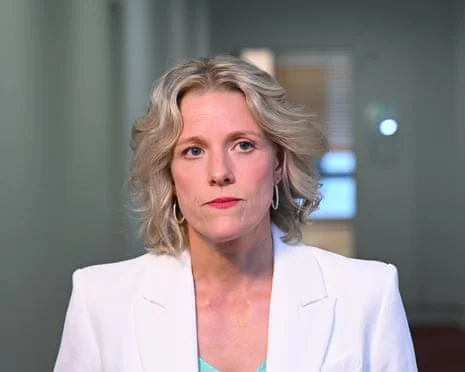
Other senior parliamentarians echoed these sentiments. Housing Minister Clare O’Neil characterized Hanson’s language as "rotten, awful, and ugly," warning that such rhetoric risks importing toxic, hyper-partisan political divisions modeled on overseas models. Liberal Senator Jonno Duniam similarly labeled the remarks appalling, asserting that casting an entire group of people with such derogatory generalizations reflects poorly on political leadership. However, Liberal frontbencher Michaelia Cash cautioned that while she disagreed with Hanson’s statements, the public discourse must not lose focus on critical policy deliverables, such as closing the socioeconomic gap and protecting vulnerable children.
Energy Markets and Global Diplomacy
International pressures are simultaneously testing federal policy, particularly in the energy sector. Climate Change and Energy Minister Chris Bowen sought to temper public expectations regarding the potential reintroduction of federal fuel excise relief, despite a renewed spike in global oil prices triggered by drone attacks that forced Saudi Arabia to close its crucial East-West crude pipeline.
Bowen confirmed that the government is monitoring market volatility closely but reiterated that the previous excise cut was designed as a temporary cost-of-living measure rather than a permanent fixture. He noted that the government will not react impulsively to daily fluctuations in international commodity prices, prioritizing long-term fuel security instead. Bowen announced plans to travel to Riyadh the following week to confer with his Saudi counterpart, Prince Abdulaziz bin Salman Al Saud, amid deepening geopolitical instability in the Middle East.
Simultaneously, Bowen defended the recent appointment of former federal opposition leader Sussan Ley to the board of Snowy Hydro. Despite Ley’s past criticisms of renewable energy rollouts and the Coalition’s previous shifts on net-zero targets, Bowen defended the decision on meritocratic grounds, asserting that high-caliber public appointments should transcend partisan voting patterns.

Governance, Transparency, and Royal Communications
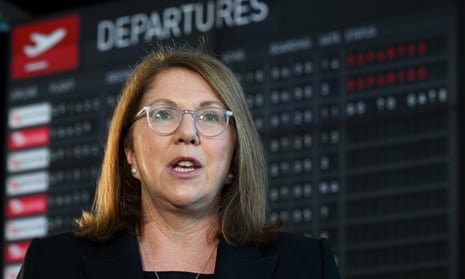
Questions of transparency and political accountability also re-emerged regarding ministerial disclosures. Minister for Transport Catherine King faced renewed questioning after it was revealed she had accepted and officially declared a lifetime membership to Qantas’s exclusive platinum frequent-flyer program, granting her permanent access to VIP business lounges and priority services.
Defending her cabinet colleague, Clare O’Neil emphasized that federal politicians endure grueling travel schedules that frequently separate them from their families for extended periods, and argued that King had fulfilled her obligations by transparently logging the membership on her official register of interests. The disclosure recalls previous scrutiny surrounding aviation policy decisions and airline competition.

Rounding out a busy diplomatic and domestic calendar, Prime Minister Anthony Albanese revealed he held a direct telephone conversation with King Charles III. Albanese, who last met the monarch during an official visit to the United Kingdom in September of the previous year, shared on social media that the King’s affection for the Australian people remains robust, and extended formal wishes on behalf of the nation to the Royal Family.
Implications for the Legislative Agenda
As parliament resumes its sitting schedule, the convergence of these diverse crises poses a formidable challenge for federal policymakers. The ongoing debate over immigration numbers threatens to polarize the electorate ahead of upcoming electoral cycles, while industrial adjustments in regional manufacturing hubs like Whyalla underscore the economic vulnerability of legacy infrastructure. Concurrently, the unified condemnation of racially charged rhetoric highlights deep cultural sensitivities within the national legislature. Observers note that navigating these intersecting pressures will require disciplined economic management, steady diplomatic engagement, and heightened sensitivity to social cohesion across the Australian community.