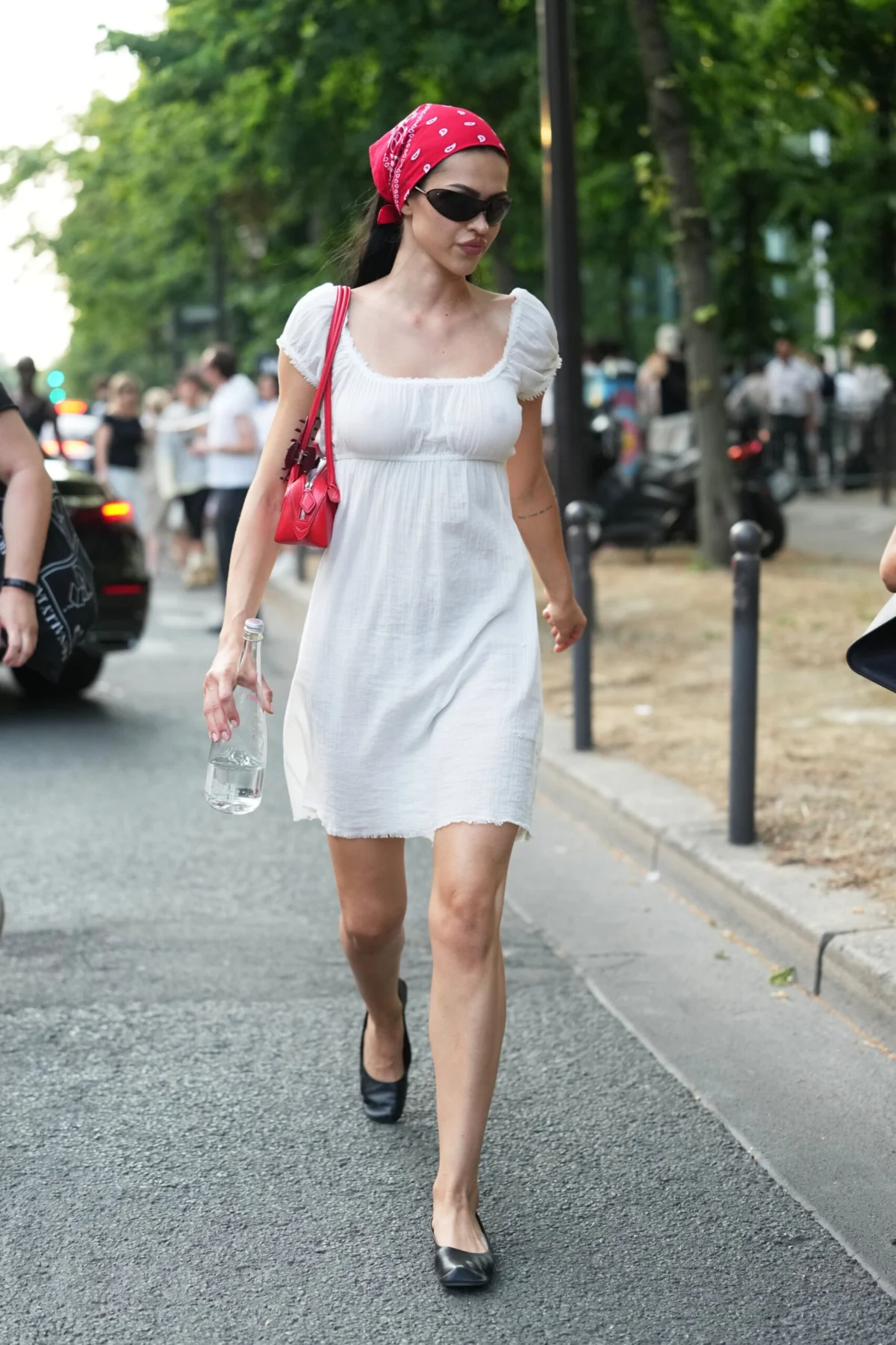
The current "granny" aesthetic is no longer a caricature of aging but a sophisticated curation of heritage-inspired garments. It incorporates elements once considered strictly functional or domestic, such as orthopedic sandals, silk headscarves, heavy floral prints reminiscent of upholstery, and almond-toe pumps. This aesthetic evolution has reached its peak in the summer of 2026 with the emergence of the "granny nightie" as a primary daywear staple. Defined by its lightweight natural fabrics, loose-fitting silhouettes, and intricate whimsical details, the trend reflects a broader cultural desire for comfort, breathability, and a return to artisanal craftsmanship.
Historical Chronology: From Coastal Grandmother to 2026 Sleepwear
The trajectory of the granny nightie can be traced back through several key fashion movements over the last five years. In 2020, the "Cottagecore" phenomenon introduced a romanticized view of rural life, popularizing milkmaid necklines and voluminous skirts. This was followed in 2022 by the "Coastal Grandmother" aesthetic, which prioritized linen button-downs and a neutral, high-end minimalist palette. By 2024, the "Coquette" and "Balletcore" trends reintroduced lace and ribbons into the mainstream wardrobe.
By the time the Spring/Summer 2026 collections were unveiled, designers had synthesized these elements into a singular, cohesive garment: the elevated nightgown. This progression indicates a steady move away from the restrictive, body-con silhouettes of the early 2010s toward a "limitless" fit that prioritizes the wearer’s physical ease. Industry analysts suggest that the trend is a delayed response to the global shift in work-life dynamics, where the boundaries between private relaxation and public presentation have become permanently blurred.
Runway Validation and Designer Influence
The legitimization of the granny nightie as high fashion was solidified by its prominence in the Spring/Summer 2026 collections of major luxury houses. Chloé, under its current creative direction, showcased a series of floor-length, ruffled silk gowns that utilized traditional French lace-making techniques. These pieces were designed to flow effortlessly, evoking a sense of "undone elegance." Similarly, Victoria Beckham’s collection departed from her signature sharp tailoring to include ethereal, semi-sheer cotton voile dresses with delicate broderie anglaise detailing.
Other designers have followed suit, focusing on the "Edwardian" influence. The aesthetic often references the late 19th and early 20th centuries, utilizing high necklines, pintucks, and bishop sleeves. The "Titanic-core" influence—referencing the romantic, albeit tragic, opulence of the early 1900s—has also permeated the market. Brands like Thierry Colson have introduced the "Vladia" dress, a ruffled and embroidered cotton maxi that bridges the gap between a Victorian undergarment and a modern gala gown.
Market Data and Consumer Behavior
The commercial performance of nightie-inspired daywear has seen a marked increase in the mid-2020s. According to retail data from the first half of 2026, searches for "organic cotton nightdresses" and "vintage lace slips" have risen by 45% year-on-year. The demand is particularly high among the Gen Z and Millennial demographics, specifically in fashion-forward urban hubs like Dalston in London, the Lower East Side in New York, and Silver Lake in Los Angeles.
The pricing spectrum for this trend is remarkably broad, indicating its widespread appeal. While luxury iterations from brands like Chloé retail for upwards of $1,990, mass-market retailers such as Gap have successfully captured the trend with nightgown-inspired dresses priced at approximately $99. The mid-market segment is dominated by "slow fashion" labels like Dôen and If Only If, which offer ethically produced cotton pieces ranging from $190 to $300. This tiered availability has allowed the granny nightie to penetrate multiple layers of the consumer market simultaneously.
Celebrity Endorsements and the It-Girl Effect
The rapid adoption of the granny nightie can be attributed in part to a consistent "roll-call" of influential figures who have integrated the look into their public appearances. Figures such as Bella Hadid and Kaia Gerber have been photographed pairing delicate white cotton slips with heavy leather boots, a styling choice that balances the "feminine" softness of the dress with "masculine" structural elements.
Olivia Rodrigo and Alexa Chung have also been instrumental in popularizing the "grown-up girlhood" mood. This concept, as described by Vogue contributing editor Julia Hobbs, involves pairing ruffled, broderie anglaise dresses with modern accessories like bug-eye sunglasses and contemporary silver jewelry. The goal is to avoid looking like a historical reenactor and instead present as a modern individual who values the aesthetic heritage of the past. This celebrity validation provides the necessary social proof for consumers to experiment with garments that were previously reserved for the bedroom.
Technical Specifications: The Importance of Natural Fibers
A critical component of the 2026 granny nightie trend is the insistence on high-quality, natural materials. Fashion experts and journalists emphasize that the success of the look depends entirely on the fabric’s movement and breathability. Synthetic materials, such as polyester or nylon blends, are widely discouraged within the community due to their tendency to create "static cling" and their lack of thermal regulation in summer heat.
"The secret to the granny nightie is the tactile experience," notes fashion journalist Harling Ross, who recently collaborated on a capsule collection with the brand If Only If. Ross advocates for the use of cotton voile, silk, and linen. These fabrics not only provide the necessary "ethereal" drape but also age better over time, aligning with the trend’s focus on longevity and vintage appeal. Consumers are increasingly searching for "vintage Edwardian nighties" on resale platforms like Etsy and eBay, seeking out authentic pieces that offer a level of detail—such as hand-stitched embroidery—that is difficult to replicate in modern mass production.
Styling Strategies for a Modern Context
The primary challenge of the granny nightie trend is the risk of the garment appearing too literal or costume-like. To mitigate this, fashion consultants suggest a strategy of "grounding" the outfit with structured, high-contrast accessories. Harling Ross suggests that the key to transitioning a nightgown into the realm of daywear lies in the choice of footwear and bags.
"Structured shoes, such as loafers or chunky sandals, provide a necessary counterpoint to the fluidity of the dress," Ross explains. "Additionally, a bag with significant ‘gravitas’—made of heavy suede or structured leather—helps signal that the wearer is dressed for the public sphere rather than the private one." This juxtaposition of the soft and the hard, the domestic and the professional, is what defines the 2026 iteration of the trend. It allows for a versatile wardrobe that can transition from a morning at home to a formal social engagement with minimal adjustments.
Socio-Cultural Implications and Analysis
The rise of the granny nightie reflects a deeper shift in societal attitudes toward femininity and visibility. If the 2014 slogan T-shirt represented a form of "hashtag feminism" that was loud and declarative, the 2026 nightie represents a "soft power" approach. It prioritizes the comfort and autonomy of the wearer over the gaze of the observer. By reclaiming garments associated with the domestic sphere and the elderly, younger generations are challenging traditional beauty standards and the "male gaze" that has historically dictated women’s fashion.
Furthermore, the trend aligns with the growing "de-growth" movement in fashion, which encourages consumers to buy fewer, higher-quality items or to source vintage pieces. The granny nightie, with its timeless appeal and durable natural fabrics, is the antithesis of the "fast fashion" cycle. It suggests a future where fashion is less about the rapid turnover of trends and more about the cultivation of a personal, historically informed style.
Future Outlook: Beyond Summer 2026
As the fashion industry looks toward the latter half of the decade, the influence of the "granny" aesthetic shows no signs of waning. While the lightweight cotton nightie is a staple of the summer months, designers are already experimenting with heavier silk velvets and layered wool iterations for the autumn and winter seasons. The core principles of the trend—comfort, historical reverence, and natural materiality—have established a new blueprint for the modern wardrobe.
In conclusion, the granny nightie of 2026 is more than a fleeting summer fad; it is a manifestation of a broader cultural pivot toward authenticity and ease. By merging the domestic history of sleepwear with the high-stakes world of luxury fashion, the industry has created a versatile, inclusive, and sustainable aesthetic that resonates across generations. Whether sourced from a high-end boutique like Chloé or a vintage stall on eBay, the granny nightie has officially moved out of the bedroom and into the center of the global fashion conversation.