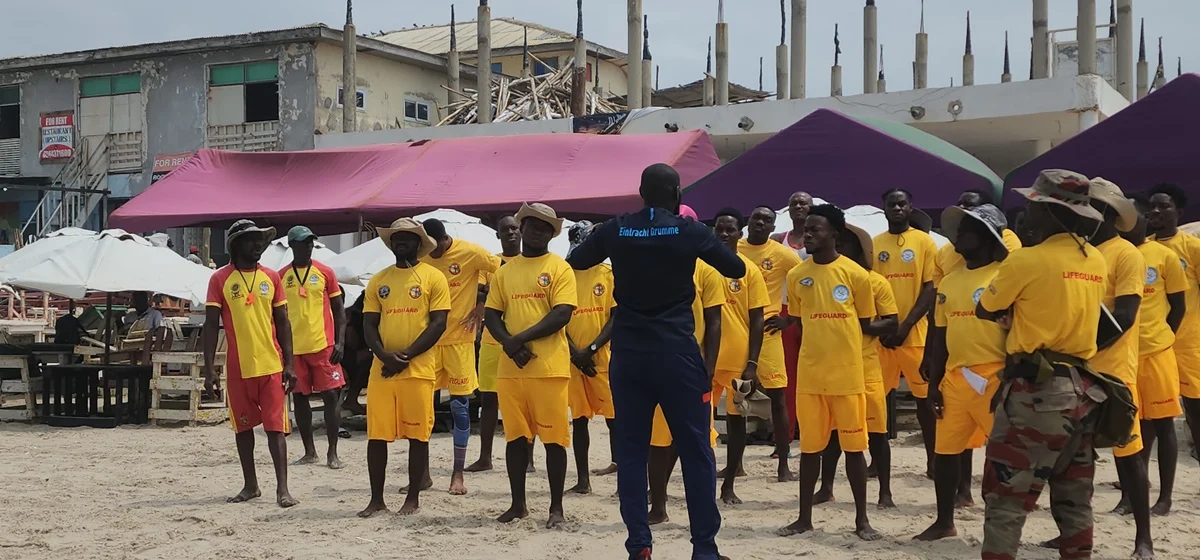
Ahead of World Drowning Prevention Day on 25 July, the World Health Organization (WHO) is launching a new technical package designed to equip governments and communities with proven measures to significantly reduce drowning fatalities worldwide. This initiative comes at a critical juncture, as drowning continues to claim an unacceptably high number of lives annually, disproportionately impacting vulnerable populations and exacerbating the global health burden. The ‘PROTECT’ strategies aim to translate the vision of the first-ever Global Strategy for Drowning Prevention into practical, actionable policy guidance, offering a comprehensive framework for enhanced water safety.
A Global Health Emergency Demanding Urgent Action
The statistics surrounding drowning are stark and deeply concerning. Globally, nearly 300,000 individuals lose their lives to drowning each year. This makes drowning one of the ten leading causes of death for children aged 5-14 years, a demographic particularly susceptible to accidental submersion. These tragedies are not confined to specific geographical areas or water bodies; they occur in rivers, lakes, wells, domestic water storage containers, and swimming pools. Alarmingly, over 90% of these preventable deaths occur in low- and middle-income countries, highlighting a significant disparity in access to safety measures and resources.
The WHO’s intervention is a response to a growing global health challenge that demands coordinated and evidence-based solutions. The newly released technical package, named ‘PROTECT’, is a direct outcome of extensive research and collaboration, aiming to provide a standardized and effective approach to drowning prevention.
Climate Change: An Emerging Threat Multiplier
Compounding the existing challenges, climate change is increasingly contributing to a heightened risk of drowning. The growing frequency and intensity of extreme weather events, such as floods, storms, and heatwaves, are directly linked to increased drowning incidents. Scientific studies have established a clear correlation between rising temperatures and drowning deaths. For instance, research conducted in the United Kingdom revealed that for every 1°C increase in temperature, drowning fatalities rose by an average of 7.2%. The risk is further amplified on hotter days, with temperatures exceeding 25°C posing nearly five times the drowning risk compared to days where temperatures remain below 10°C.
This climate-induced escalation underscores the urgency of the WHO’s initiative. As weather patterns become more unpredictable, communities living near water bodies, or those experiencing sudden inundation, face an elevated threat. The ‘PROTECT’ strategies are thus designed to be adaptable, addressing both chronic risks and those exacerbated by environmental changes.
The ‘PROTECT’ Framework: A Beacon of Hope
Dr. Tedros Adhanom Ghebreyesus, WHO Director-General, emphasized the preventable nature of these tragedies. "Every drowning is a tragedy, and most are preventable," he stated. "The seven PROTECT strategies give countries practical, evidence-based approaches to prevent these tragedies, including making water transport safer, teaching school kids to swim, and preparing for floods. Drowning prevention isn’t the job of one ministry; it belongs to everyone, and the lives it saves are the reward."
The ‘PROTECT’ acronym encapsulates seven interconnected domains that form the core of the WHO’s recommendations:
- Preventing drowning through improved water safety policies and infrastructure.
- Rescuing drowning victims and providing immediate post-rescue care.
- Outreach and education to raise awareness about drowning risks and prevention methods.
- Transport safety, focusing on measures to reduce drowning incidents during water travel.
- Environmental modifications to create safer water access points and mitigate flood risks.
- Community engagement and capacity building for local drowning prevention initiatives.
- Training and skill development, including swimming education and first aid.
These seven strategies are not isolated measures but are designed to work in synergy, creating a robust and multi-layered approach to drowning prevention. The framework translates the vision laid out in the Global Strategy for Drowning Prevention: Turning the Tide on a Leading Killer, which was launched by the WHO-hosted Global Alliance for Drowning Prevention in 2025. The ‘PROTECT’ package provides policy-makers with concrete, evidence-informed recommendations across these seven domains, aiming to strengthen safety around water for all.
Ghana: A Model for National Commitment
The launch of the ‘PROTECT’ package is being prominently held in Ghana, a nation demonstrating significant political commitment to drowning prevention. Ghana faces a considerable burden from drowning, with an estimated 1,100 fatalities annually, disproportionately affecting children and young adults. This translates to an average of three deaths per day, a sobering reality that underscores the urgent need for intervention.
Ghana’s proactive stance on drowning prevention positions it as a leader in the region and a potential model for other nations grappling with similar challenges. The country’s ongoing efforts to strengthen water safety infrastructure and implement prevention programs are being recognized and supported by the WHO. This launch highlights the critical need for governments worldwide to adopt evidence-based policies that effectively reduce drowning deaths and safeguard their populations.
Collaborative Efforts Driving Progress
The development and dissemination of the ‘PROTECT’ package are built upon more than a decade of dedicated collaboration between the WHO, national governments, and various international partners. This sustained effort has been instrumental in advancing evidence-based drowning prevention actions globally.
Dr. Kelly Henning, who leads the public health program at Bloomberg Philanthropies, a key partner in this endeavor, expressed her organization’s commitment. "This framework will save lives while building on the progress governments around the world are making to prevent drowning deaths in their countries," she stated. "Bloomberg Philanthropies has worked with governments worldwide to implement proven, effective strategies that reduce drowning deaths. We applaud the World Health Organization for its leadership on this issue and look forward to continuing to support it and local governments as they use the PROTECT technical package."
Bloomberg Philanthropies has been a steadfast supporter of drowning prevention initiatives since 2014, collaborating with the WHO to develop foundational resources that have guided global best practices. Their partnership has been crucial in laying the groundwork for tools like the ‘PROTECT’ technical package, ensuring that prevention strategies are rooted in scientific evidence and practical application.
A United Front for a Universal Goal
The theme for this year’s World Drowning Prevention Day, "Unite to turn the tide," encapsulates the spirit of the WHO’s new initiative. It underscores the paramount importance of coordinated action across diverse sectors, including health, education, transport, and community development, as well as between governments and civil society. Only through a united and concerted effort can the global community effectively confront and overcome the persistent challenge of drowning deaths.
The implications of the ‘PROTECT’ package extend far beyond mere statistics. Each life saved represents a family spared from grief, a child given the opportunity to grow and thrive, and a community strengthened. By providing governments with practical, evidence-based tools, the WHO is empowering them to take decisive action, transforming the landscape of water safety and fostering a world where drowning is no longer a leading, preventable cause of death. The successful implementation of these strategies will require sustained political will, adequate resource allocation, and widespread public engagement, but the potential reward – a significant reduction in drowning fatalities – is immeasurable.