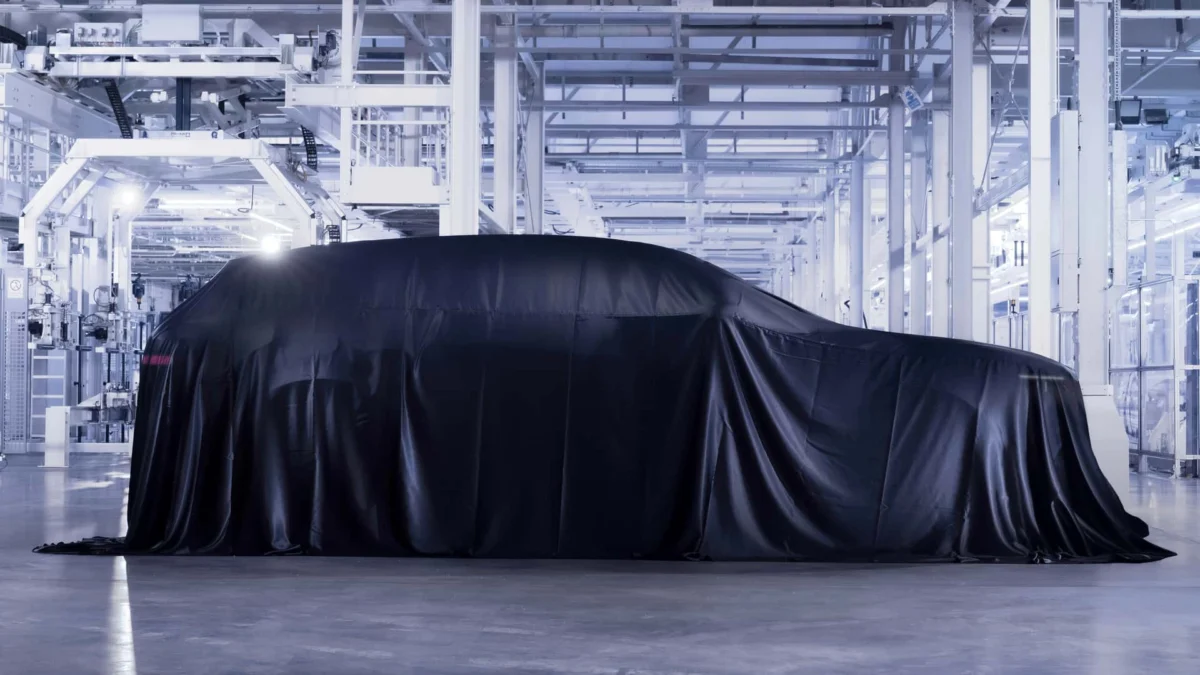
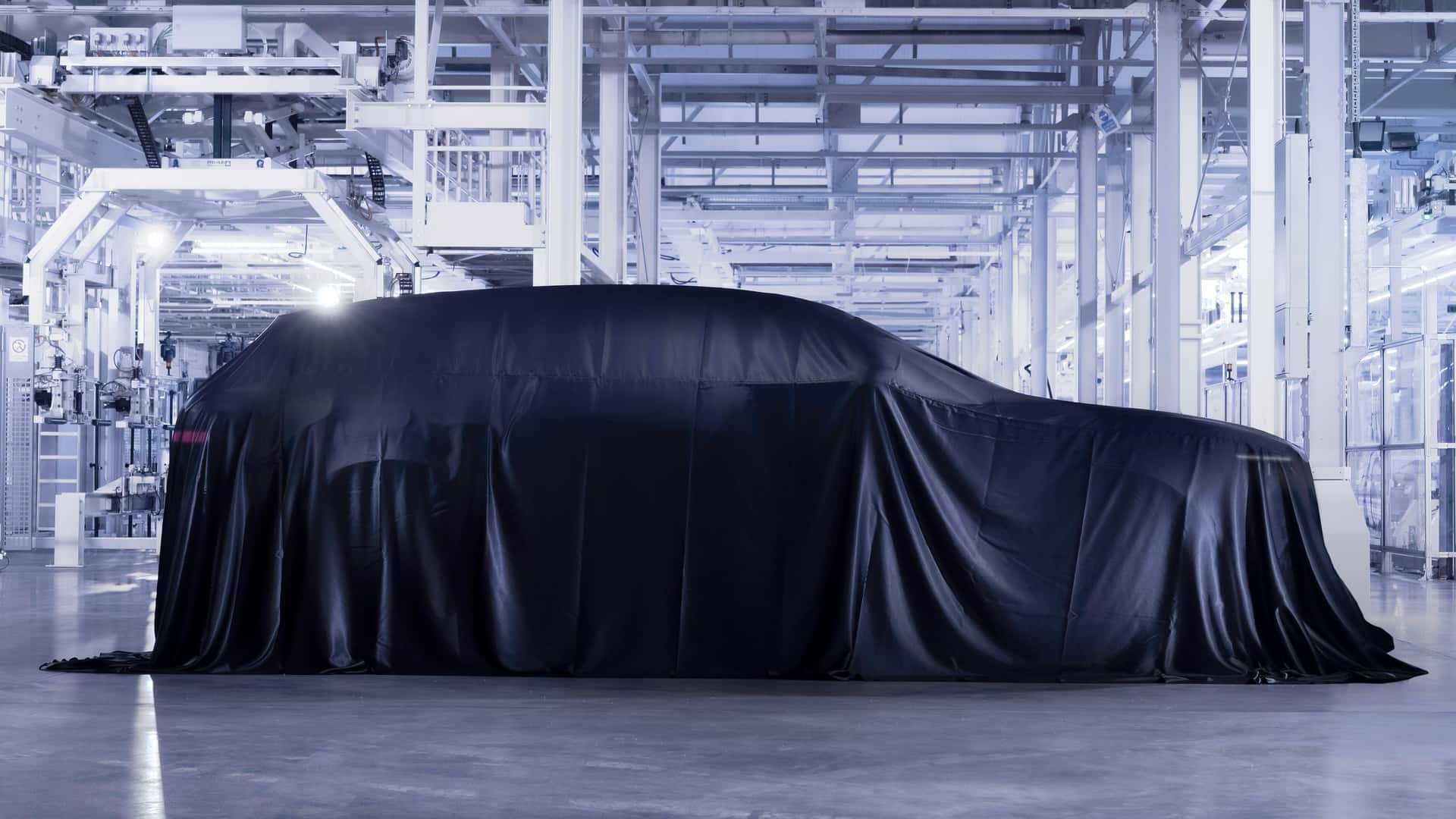
The transition from internal combustion engines to electric powertrains represents the most significant paradigm shift in the history of the automotive industry, yet it has brought with it a unique set of challenges regarding the sensory experience of driving. For a brand like Bentley, which has spent over a century defining luxury through the visceral growl of its W12 and V8 engines, the near-silent operation of an electric motor presents a potential deficit in character. To address this, the Crewe-based manufacturer has announced a groundbreaking initiative for its upcoming electric SUV, the Torcal. Rather than relying on synthesized digital tones or artificial recordings of existing engines, Bentley has commissioned a full orchestra to create the "Bentley Dynamic Symphony," an auditory architecture designed to bridge the gap between traditional mechanical emotion and the silent efficiency of the future.
This initiative comes at a critical juncture for the luxury marque. The Torcal SUV is positioned as the electric alternative to the Bentayga, which currently stands as Bentley’s best-selling model. As the brand navigates its "Beyond100" strategy—a roadmap toward full electrification—maintaining the brand’s "DNA" is paramount. The Bentley Dynamic Symphony is not merely a background noise but a sophisticated response to a common criticism of performance electric vehicles (EVs): that they lack the "soul" and "theatricality" of their gasoline-powered predecessors. By employing human musicians to replicate the rhythmic complexities of a combustion engine, Bentley is attempting to humanize a technology that many enthusiasts find sterile.
The Science of Sound: Analyzing the V8 Benchmark
The development of the Bentley Dynamic Symphony began not in a recording studio, but in a laboratory where Bentley’s engineers and acoustic specialists analyzed the brand’s most legendary engines. The primary benchmark was the venerable 6¾-litre V8, an engine that remained in production for over 60 years and powered the flagship Mulsanne. The team also looked back further to the supercharged "Blower" Bentleys of the 1930s, seeking to understand the specific auditory frequencies that convey power, prestige, and effortlessness.
Using high-fidelity parabolic speakers and studio-grade recording equipment, the engineering team discovered that the appeal of a V8 engine is rooted less in its mechanical tone and more in its rhythm. Their analysis revealed that an engine is "alarmingly human" in its output. Unlike a digital synthesizer that produces a perfect, uniform sine wave, a combustion engine produces subtle fluctuations and imperfections. These micro-variations in timing and intensity are what the human ear perceives as "character." A V8 does not just hum; it pulses, breathes, and reacts with a cadence that mirrors biological rhythms.
Bentley’s research concluded that for an EV soundtrack to be truly immersive, it had to move away from the "spaceship" aesthetics common in the industry. Instead, it needed to replicate the organic, non-linear nature of mechanical combustion. This realization led the company to move away from purely electronic sound generation in favor of a symphonic approach.
The Orchestral Composition: Instruments as Mechanical Components
To bring this vision to life, Bentley hired a full orchestra, selecting specific instruments to represent different aspects of the powertrain. The focal point of the composition is the percussion section. Drums were chosen as the primary medium to replicate the cadence of an engine’s firing order. By varying the intensity and speed of the drumbeats, the composers were able to simulate the rising and falling of revolutions per minute (RPM), providing the driver with an intuitive sense of speed and acceleration.
Beyond the percussion, the "Bentley Dynamic Symphony" utilizes bass guitars and violas to add depth and texture. The bass guitar provides the low-frequency "thrum" associated with high-displacement engines, while the violas offer a mid-range resonance that mimics the intake and exhaust notes of a traditional luxury grand tourer. This layers of sound are designed to be reactive; the soundtrack is not a static loop but a dynamic composition that responds in real-time to the driver’s inputs. When the driver depresses the accelerator of the Torcal, the "symphony" swells in volume and complexity, providing the visceral feedback that drivers expect from a performance vehicle.
Contextualizing Bentley’s Strategy in the Global EV Market
Bentley is not the first manufacturer to grapple with the "silence problem" of EVs, but its approach is arguably the most bespoke. Other manufacturers have taken various paths to solve this issue:
- BMW: The German manufacturer collaborated with Academy Award-winning composer Hans Zimmer to create "IconicSounds Electric," which focuses on futuristic, cinematic tones that emphasize the "newness" of electric driving.
- Hyundai: With the Ioniq 5 N, Hyundai introduced a system that can simulate the sound and even the "jolting" gear shifts of a dual-clutch transmission, aiming for a literal imitation of an internal combustion engine.
- Dodge: The upcoming Charger Daytona SRT features a "Fratzonic Chambered Exhaust," which uses a system of pipes and transducers to create a 126-decibel roar that mimics a Hemi V8.
Bentley’s decision to use an orchestra occupies a middle ground. It does not attempt to fool the driver into thinking there is a gasoline engine under the hood, nor does it lean into sci-fi tropes. Instead, it treats the car’s sound as a piece of luxury art—a "dynamic symphony" that pays homage to the past while embracing the silence of the future. This aligns with Bentley’s broader brand positioning, where craftsmanship and human touch are valued above mass-produced digital solutions.
Chronology of Bentley’s Electrification and the Torcal’s Role
The development of the Torcal and its unique soundtrack is a centerpiece of the "Beyond100" plan, which was originally announced in 2020. This plan initially aimed for Bentley to be an end-to-end carbon-neutral organization and a fully electric luxury brand by 2030. However, in early 2024, Bentley CEO Adrian Hallmark (prior to his departure to Aston Martin) and subsequent leadership adjusted these timelines to reflect market realities, extending the life of plug-in hybrids (PHEVs) while continuing the development of the first battery-electric vehicle (BEV).
The Torcal SUV is expected to be that first BEV, a high-riding luxury cruiser that will utilize the PPE (Premium Platform Electric) architecture shared with Audi and Porsche. The introduction of the Bentley Dynamic Symphony suggests that the vehicle is nearing its final stages of calibration. For Bentley, the Torcal must be a commercial success. The Bentayga SUV currently accounts for approximately 40% of Bentley’s total global sales. If the Torcal is to serve as its electric successor or companion, it must convince traditional buyers that the "Bentley experience" remains intact without the W12 or V8 engines.
Implications for the Luxury Segment and Psychoacoustics
The use of an orchestra for automotive sound design highlights the growing importance of psychoacoustics—the study of how humans perceive and react to sound—in the automotive sector. In a luxury vehicle, sound is a key component of "perceived quality." The solid "thud" of a closing door or the quiet whir of a window motor are all carefully engineered to convey a sense of solidity and wealth.
By investing in a human-led orchestral soundtrack, Bentley is betting that luxury consumers will value the "authenticity" of recorded instruments over the "artificiality" of computer-generated sounds. This could set a new standard for the ultra-luxury segment, where brands like Rolls-Royce and Maybach are also seeking ways to define their electric identities.
Furthermore, there is a safety component to this development. Regulations in most major markets now require EVs to emit an Acoustic Vehicle Alert System (AVAS) sound at low speeds to alert pedestrians. By developing a symphonic soundtrack, Bentley ensures that its vehicles are not only safe but also carry a distinct "brand voice" that is recognizable even at a distance.
Conclusion and Future Outlook
The Bentley Dynamic Symphony represents more than just a clever marketing tactic; it is an admission that the emotional connection between a driver and their vehicle is deeply rooted in the auditory experience. As the Torcal SUV prepares for its global debut, the industry will be watching closely to see if a collection of drums, violas, and bass guitars can truly replace the mechanical soul of a V8.
If successful, Bentley’s approach could redefine how we think about "engine noise" in the post-combustion era. It suggests a future where the sound of a car is not a byproduct of its engineering, but a curated artistic expression. For the traditionalists who feared that the age of the electric car would be one of sterile silence, Bentley is offering a reminder that even in a world of batteries and motors, there is still room for the rhythm, imperfection, and emotion of a human performance. The Torcal SUV, powered by electricity but voiced by an orchestra, may well prove that the "character" of a performance car is not found in the fuel it burns, but in the feelings it evokes.