When vehicle owners routinely schedule their standard oil change maintenance, attention is almost exclusively focused on the type of engine oil being poured into the crankcase. Discussions frequently center around whether to choose conventional, semi-synthetic, or full-synthetic oil, as well as the appropriate viscosity grade for specific climates. However, a critical component that often gets overlooked in this process is the engine oil filter. While external appearances suggest that most spin-on oil filters are interchangeable metal cylinders, the internal components dictate the difference between optimal engine health and catastrophic mechanical failure. Choosing a cheap, unbranded oil filter to save a few dollars during routine maintenance can introduce severe vulnerabilities into an engine’s lubrication system, potentially leading to thousands of dollars in repair bills.
Understanding the Fundamental Role of an Oil Filter
The primary function of an engine oil filter is to capture and retain destructive particulate matter circulating within the lubrication system. As an internal combustion engine operates, microscopic metal flakes from friction, unburned fuel residues, carbon deposits, and external dust particles inevitably find their way into the motor oil. Left unchecked, these abrasive contaminants act like liquid sandpaper, accelerating wear on critical components such as cylinder walls, piston rings, camshafts, and bearing surfaces.
To prevent this accelerated wear, the oil pump forces pressurized motor oil through the filter media before it reaches sensitive engine galleries. Clean oil circulation ensures continuous hydrodynamic lubrication, which separates moving metal parts, minimizes friction, and helps dissipate the immense heat generated within the combustion chambers. Because motor oil accumulates contamination continuously, vehicle manufacturers mandate routine filter replacements alongside fluid changes, typically every 5,000 to 10,000 miles depending on the oil formulation and driving conditions.
The Anatomy of Contast: Cheap Versus Premium Filters
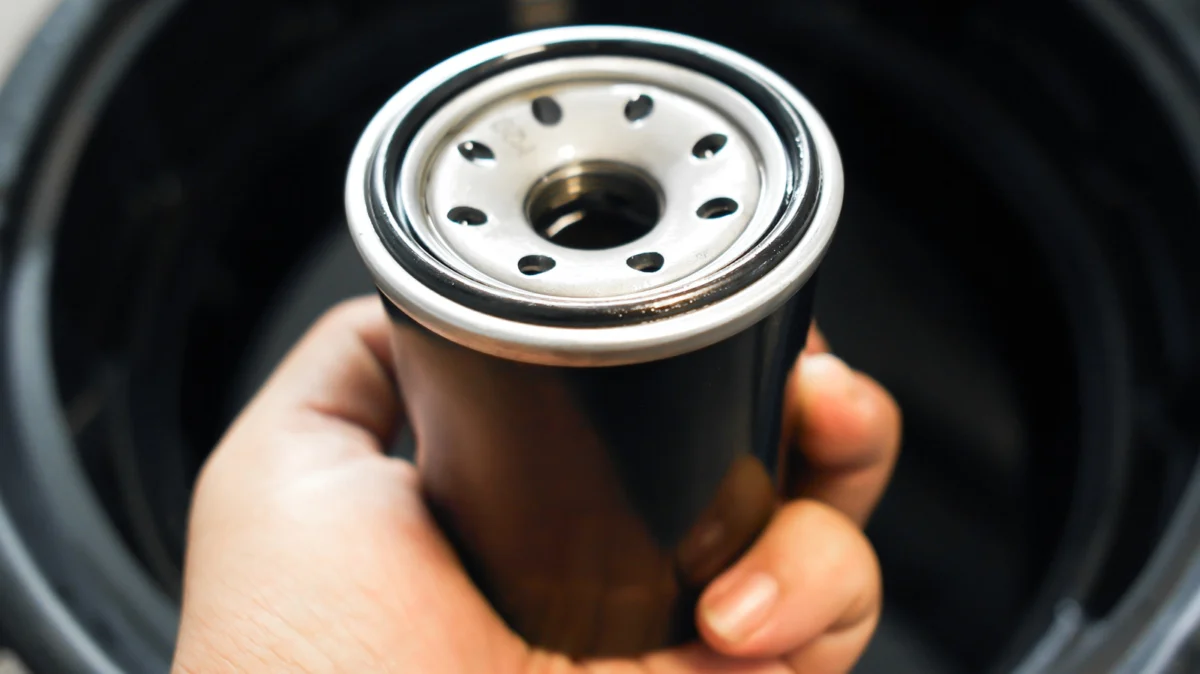
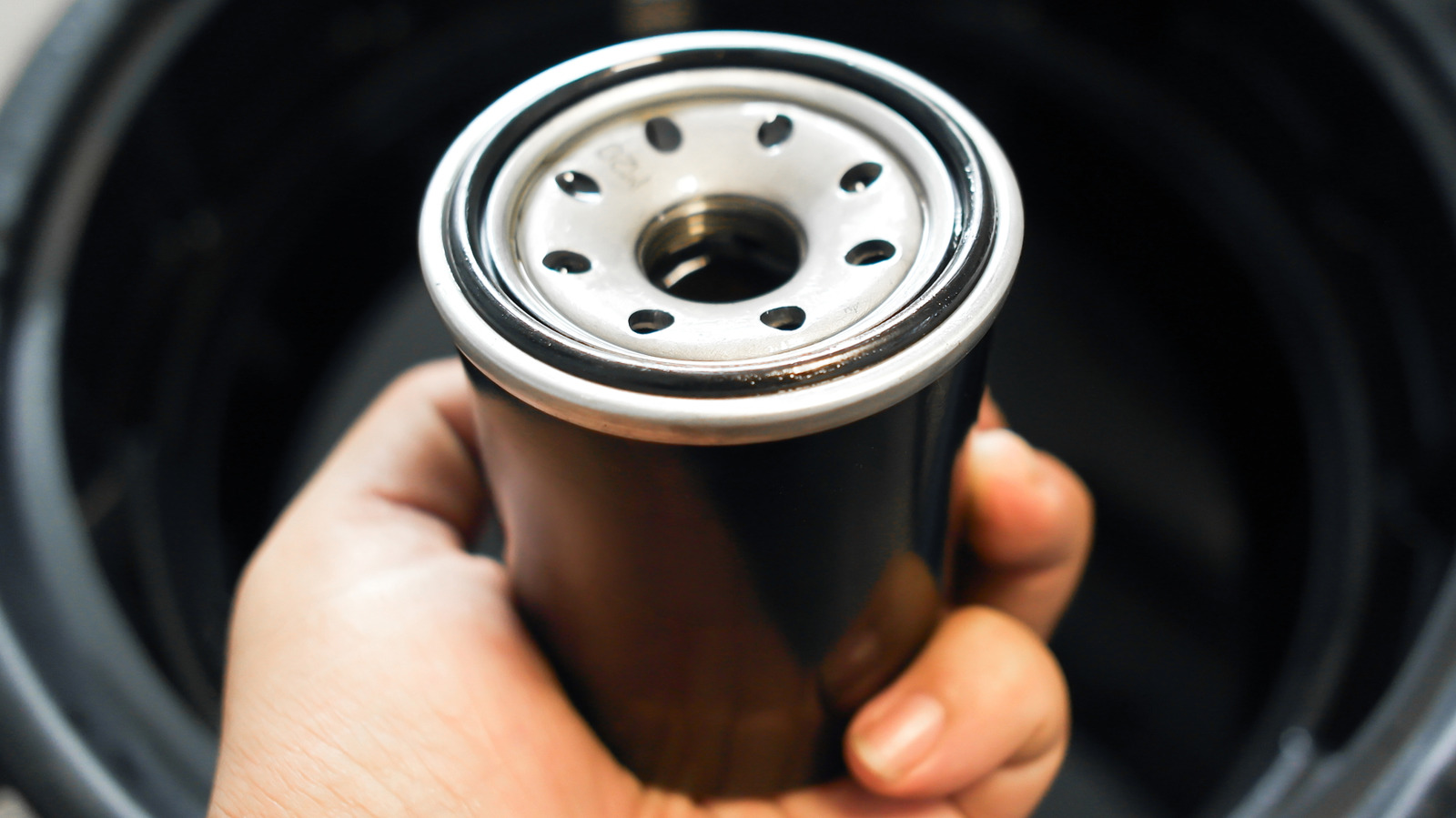
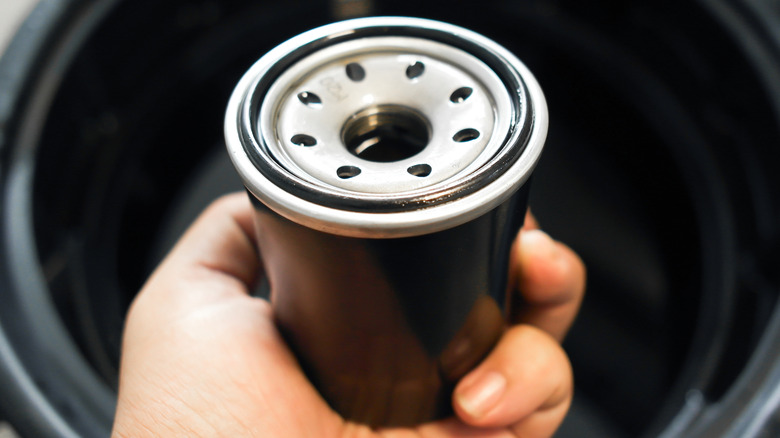
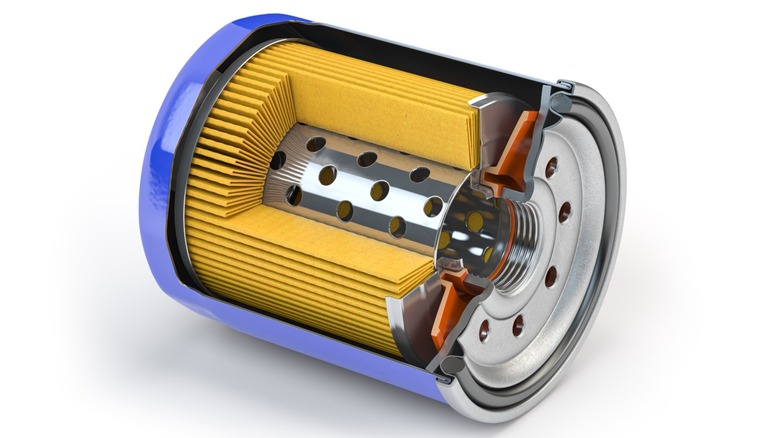
At a glance, a budget-friendly oil filter purchased from a discount bin and a high-end, premium filter look remarkably similar. Both feature a painted exterior metal canister, a threaded base plate with fluid ports, and a sealing gasket. Yet, tearing open these two categories reveals a stark disparity in manufacturing quality, materials science, and engineering precision.
Filter Media Composition and Efficiency Ratings
The heart of any oil filter is the internal filter media, which historically has been manufactured from cellulose derived from wood pulp. While cellulose media provides adequate baseline filtration and remains inexpensive to produce, it possesses inherent limitations. Cellulose fibers are relatively large and inconsistent in size, meaning they can only capture larger particles while allowing finer, highly abrasive microscopic contaminants to pass through repeatedly.
In contrast, premium oil filters utilize synthetic or microglass media matrices. These advanced materials consist of microscopic, highly uniform fibers arranged in a tortuous path that creates a dense web capable of trapping particles down to 20 microns—or even smaller—with exceptional efficiency. To put that scale in perspective, a human red blood cell is approximately 8 microns wide, meaning high-end filters capture particles invisible to the naked eye. Furthermore, synthetic media offers superior dirt-holding capacity, allowing the filter to maintain high flow rates over extended oil change intervals without becoming prematurely restricted.
Filter efficiency is quantitatively measured using a standardized multi-pass test, which determines the percentage of a specific particle size a filter can capture on a single pass. A premium filter might boast an efficiency rating of 99 percent at 20 microns, whereas a low-cost alternative might lack certified efficiency ratings entirely, permitting higher concentrations of abrasive debris to remain suspended in the oil supply.
Critical Valve Engineering: Anti-Drainback and Bypass Valves
Beyond the filtration media, internal valves dictate the reliability and safety of an oil filter during extreme operating conditions. Two valves stand out as paramount to engine preservation:
-
The Anti-Drainback Valve: Located just inside the inlet holes of the filter, this flexible rubber flap prevents engine oil from draining backward out of the filter and back into the oil pan when the engine is turned off. When a motorist performs a cold start, the engine relies on the oil trapped inside the filter to provide instant lubrication to overhead components while the oil pump builds pressure. In cheap oil filters, this valve is typically constructed from standard nitrile rubber. Under persistent high-temperature engine bay conditions, nitrile hardens, cracks, and loses its elasticity over time, allowing oil to drain away completely. Consequently, every cold start results in a prolonged period of dry-running friction, accelerating wear on valvetrains and timing chains. Premium filters utilize high-grade silicone anti-drainback valves that remain pliable across extreme temperature ranges, ensuring longevity and reliable oil retention for extended periods.
-
The Bypass Valve: If an oil filter becomes heavily clogged with contaminants, or if the vehicle is operated in sub-zero temperatures where the oil viscosity is exceptionally thick, the fluid cannot easily pass through the filter media. To prevent the engine from experiencing total oil starvation—which would destroy the motor in seconds—a spring-loaded bypass valve opens, allowing unfiltered oil to circulate through the engine. While unfiltered oil is less than ideal, it is preferable to no oil at all. Budget-grade filters frequently employ poorly molded plastic bypass valves that can warp, stick open prematurely, or fail to open when required. Premium filters utilize precision-calibrated, spring-loaded steel bypass valves that guarantee consistent pressure thresholds and dependable operation.
Structural Integrity and Material Science Under Pressure
An engine oil filter operates under harsh environmental conditions. Inside the sealed canister, internal oil pressures frequently exceed 60 to 80 pounds per square inch (psi), spiking even higher during high-rpm acceleration or cold-weather startups. Simultaneously, the filter is subjected to continuous engine vibrations, thermal cycling ranging from ambient winter temperatures to operating heat exceeding 200 degrees Fahrenheit, and chemical exposure from acidic combustion byproducts.
Budget filters often cut manufacturing costs by utilizing thin-gauge steel for the exterior canister, lightweight cardboard or flimsy fiber for the end caps, and simple perforated sheet metal for the central support tube. Under sustained pressure and vibration, cheap end caps can distort, allowing raw, unfiltered oil to bypass the media entirely via internal leaks. In worst-case scenarios, structural fatigue can cause the exterior canister to rupture or the internal core to collapse, releasing debris directly into the oil galleries and causing immediate, catastrophic engine failure.
Conversely, premium filters are engineered with robust structural margins. They incorporate heavy-gauge steel or aluminum canisters, thick metal end caps securely bonded with high-temperature adhesives, corrugated steel center tubes designed to resist inward collapse under high differential pressures, and premium synthetic rubber or silicone base gaskets that maintain a secure seal against the engine mounting pad without fusing or leaking.
Industry Standards, Aftermarket Alternatives, and Consumer Guidance
Automotive engineers and lubrication specialists emphasize that vehicle owners do not necessarily need to purchase expensive Original Equipment Manufacturer (OEM) filters from dealership parts counters to secure top-tier performance. A thriving aftermarket manufacturing sector produces highly reliable, rigorously tested oil filters designed to meet or exceed factory specifications.
Reputable brands such as Mobil 1, K&N, Bosch, WIX, and Denso invest heavily in research, development, and quality control. Many of these aftermarket filters are specifically engineered to support extended drain intervals associated with advanced synthetic oils, offering reinforced internal structures and superior synthetic filtration media.
Conversely, consumer safety warnings consistently target unbranded, white-box, or heavily discounted economy filters sold through online marketplaces or discount liquidation stores. These products often lack quality assurance protocols, manufacturing origin documentation, and standardized testing certifications. Saving five dollars on an unbranded filter introduces an unacceptable risk-to-reward ratio when balanced against the replacement cost of a modern internal combustion engine, which can easily range from $4,000 to upwards of $10,000 for parts and labor.
Broader Economic and Mechanical Implications
The implications of utilizing substandard filtration extend beyond immediate mechanical breakdowns; they impact overall vehicle longevity, resale value, and operational reliability. Modern engines feature tight manufacturing tolerances, variable valve timing actuators, and turbochargers that operate at over 100,000 revolutions per minute. These precision systems depend entirely upon an uninterrupted, meticulously filtered supply of clean engine oil.
When a cheap oil filter fails internally, the economic fallout is rarely limited to the cost of the filter itself. Contaminated oil can score cylinder walls, clog oil feed lines to turbocharger bearings, and jam delicate electronic solenoids controlling variable valve timing. Even if a catastrophic failure is avoided, chronic exposure to sub-micron particulates accelerates long-term engine wear, resulting in reduced compression, increased oil consumption, and diminished power output over the vehicle’s lifespan.
Ultimately, routine automotive maintenance requires a holistic approach. While selecting the correct grade of synthetic oil is vital, pairing that fluid with a structurally sound, high-efficiency oil filter manufactured by a trusted brand is the only way to safeguard an engine against premature wear. Investing in quality filtration represents a small, prudent insurance policy that protects the integrity and longevity of one of the most expensive mechanical systems in any vehicle.