New York State faces a growing public health challenge from mosquito-borne diseases, exacerbated by a fragmented and underfunded surveillance system that experts warn allows invasive species to proliferate undetected and undermines proactive disease prevention efforts. The current approach, characterized by labor-intensive methods, logistical hurdles, and a lack of inter-county coordination, has prompted a legislative initiative to establish a comprehensive statewide monitoring program, aiming to shift from reactive outbreak response to a more effective, preventative strategy.
The Current Challenge: A Patchwork System Under Strain
Mosquito monitoring programs are inherently complex, demanding significant resources and specialized expertise. The process typically involves dedicated teams setting and checking various traps designed to capture mosquito specimens. These traps range from those attracting female mosquitoes with "stinky water" – a concoction rich in decaying organic material mimicking natural breeding sites – to others that release carbon dioxide from dry ice, mimicking the CO2 exhaled by mammals that mosquitoes hunt for blood meals. However, even these fundamental steps present considerable challenges, particularly in rural areas of New York, where essential resources like dry ice can be difficult to source, forcing monitoring teams to improvise and produce their own.
Beyond the immediate logistical and resource demands, the existing system is plagued by issues of communication, coordination, and data sharing. Dr. Laura Leydet, an expert in entomology and vector-borne diseases whose lab has extensively studied these issues, highlights the critical flaw: "One of the problems with states that are not comprehensively doing these surveillance programs is that surveillance is hit or miss." She further explains, "A lot of these surveillance programs are run by the counties, and they’re not really talking to each other." This decentralized, patchwork approach means that surveillance efforts are inconsistent across the state, leaving significant gaps in coverage. As a direct consequence, Leydet’s research indicates that several invasive mosquito species are likely "flying under the radar," establishing populations and potentially spreading pathogens without detection until an outbreak occurs.
Funding presents another formidable barrier to effective surveillance. Dr. Leydet observes, "If the county doesn’t have money or resources, these programs fade away." This financial instability creates a vicious cycle: without sustained funding, surveillance programs cannot be maintained; without effective surveillance, emerging threats are missed; and without early detection, public health officials are forced into a reactive stance. "If we don’t have these surveillance programs," Leydet emphasizes, "then all we’re doing is responding to a problem when it’s already a problem, and that’s never how prevention works." This reactive posture not only increases the risk of disease transmission but also often necessitates more drastic and costly interventions once an outbreak is underway.
The Public Health Imperative: Mosquito-Borne Diseases in New York
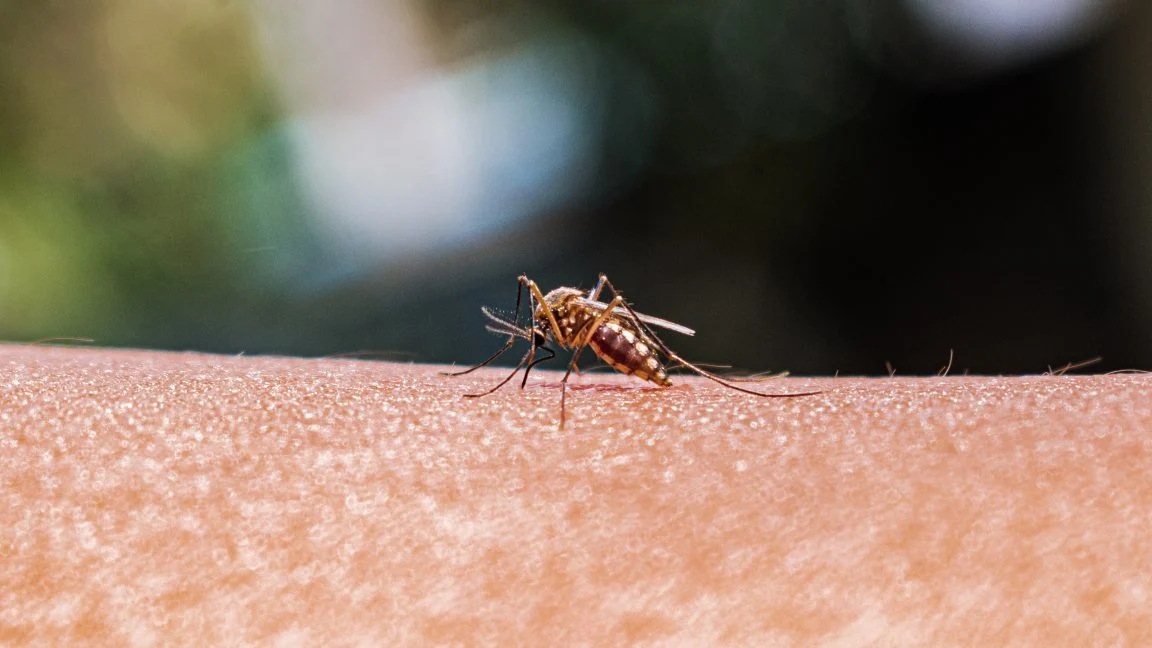
The urgency for a robust mosquito surveillance system in New York stems directly from the significant public health threat posed by mosquito-borne diseases. Mosquitoes, particularly certain genera like Culex and Aedes, act as vectors, transmitting viruses, parasites, and other pathogens from infected hosts to humans. New York State has a history of battling several endemic mosquito-borne illnesses, while also facing increasing risks from emerging and invasive species.
Key Endemic Threats:
- West Nile Virus (WNV): This is the most common mosquito-borne disease in the United States, and New York is no stranger to its presence. WNV can cause febrile illness, but in a small percentage of cases, it can lead to severe neurological conditions such as encephalitis or meningitis, which can be fatal. Surveillance for WNV typically involves testing mosquitoes, birds, and sentinel animals, as well as monitoring human cases. A robust surveillance system is crucial for identifying areas of high viral activity and implementing targeted control measures.
- Eastern Equine Encephalitis (EEE): Though rarer than WNV, EEE is considerably more dangerous, with a fatality rate of up to 30% in human cases and significant neurological damage among survivors. EEE outbreaks are often localized but devastating. Early detection through mosquito and avian surveillance is paramount to protect vulnerable populations, particularly in wetland areas where the virus thrives.
Emerging and Invasive Threats:
The landscape of mosquito-borne diseases is continuously evolving, largely driven by climate change and global travel patterns. Two invasive Aedes species, the yellow fever mosquito (Aedes aegypti) and the Asian tiger mosquito (Aedes albopictus), pose significant new threats to New York.
- Aedes aegypti (Yellow Fever Mosquito): Historically found in tropical and subtropical regions, its range is expanding northward. This species is the primary vector for Dengue, Zika, and Chikungunya viruses. While local transmission of these diseases has been rare in New York, the presence of Aedes aegypti creates the potential for outbreaks if an infected traveler introduces the virus.
- Aedes albopictus (Asian Tiger Mosquito): This aggressive, day-biting mosquito has already established populations in parts of New York, particularly in urban and suburban areas. It is a competent vector for WNV, EEE, Dengue, Zika, and Chikungunya. Its adaptability to diverse environments, including small containers of standing water, makes it particularly challenging to control and monitor.
The Role of Climate Change:
Climate change is a significant accelerant in the expansion of mosquito ranges and the increased risk of disease transmission. Warmer temperatures extend mosquito breeding seasons, accelerate pathogen development within the mosquito, and allow species like Aedes aegypti and Aedes albopictus to survive in previously inhospitable northern climates. Milder winters mean more overwintering eggs and adult mosquitoes, leading to larger populations earlier in the spring. Changes in precipitation patterns, including more intense rainfall followed by dry spells, can create abundant temporary breeding sites. These environmental shifts underscore the critical need for an adaptable and comprehensive surveillance system that can track these evolving threats.
The economic burden associated with mosquito-borne diseases is also substantial. Healthcare costs for treating severe cases, lost productivity due to illness, and potential impacts on tourism and outdoor recreation industries all contribute to the broader societal cost of inadequate prevention. For instance, a major outbreak could deter tourists from visiting state parks or outdoor attractions, impacting local economies.
Legislative Response: Senate Bill S10393
Recognizing the urgent need to address these multifaceted challenges, New York State legislators have introduced a bill, S10393 (referring to the 2025 legislative session, though bill numbers can change), aimed at transforming the state’s mosquito surveillance infrastructure. This proposed legislation seeks to lay the groundwork for a comprehensive, statewide mosquito surveillance program, explicitly designed to replace what the bill itself describes as the "sparse and disintegrated" current system. The primary goal is to empower public health officials to respond proactively to potential threats, ideally before an outbreak can take hold.
The proposed bill mandates the development of a centralized framework for mosquito monitoring, data collection, and sharing across all counties. This would likely involve:
- Standardized Protocols: Establishing uniform methodologies for trapping, species identification, and pathogen testing, ensuring consistency and comparability of data across the state.
- Centralized Data Repository: Creating a statewide database to aggregate surveillance data, allowing for real-time analysis of mosquito populations, species distribution, and pathogen prevalence. This would enable epidemiologists and public health officials to identify emerging hot zones and predict potential outbreaks more effectively.
- Enhanced Training and Resources: Providing counties with the necessary training, equipment, and possibly personnel to implement the standardized surveillance protocols, addressing the existing resource disparities.
- Inter-Agency Collaboration: Facilitating formal channels for communication and coordination between state health departments, county public health agencies, environmental protection agencies, and academic research institutions.
The shift towards a proactive model would enable the implementation of preventative measures tailored to specific risks. These proactive steps could include:
- Source Reduction: Public awareness campaigns and direct intervention to remove pools of standing water – such as in old tires, clogged gutters, bird baths, and neglected swimming pools – where mosquitoes breed.
- Targeted Larvicides: Applying environmentally safe larvicides to known breeding habitats, such as stagnant ponds, ditches, and catch basins, to kill mosquito larvae before they mature into biting adults. This approach minimizes the need for broader pesticide applications.
- Public Warning Systems: Issuing timely alerts and advisories to the public regarding high-risk areas, encouraging the use of insect repellent, wearing protective clothing (long sleeves and pants), and avoiding outdoor activities during peak mosquito biting hours.
- Widespread Pesticide Spraying: While a measure of last resort due to environmental concerns and potential impact on non-target species, a comprehensive surveillance program would ensure that such spraying is only conducted when absolutely necessary, targeted effectively, and based on solid epidemiological data during severe outbreaks.
The bill’s sponsors and advocates underscore that a unified approach is not merely an administrative improvement but a fundamental public health necessity. By establishing a robust early warning system, New York can significantly reduce the incidence of mosquito-borne diseases, protect its citizens, and mitigate the economic and social disruptions caused by outbreaks.
Overcoming Hurdles: The Cost of Prevention
While the imperative for a comprehensive mosquito surveillance program is clear, implementing such a system is not without its challenges, primarily revolving around cost and coordination. Dr. Leydet’s candid assessment highlights a common dilemma in public health initiatives: "There is general interest in these programs, but when you start seeing what they cost, it’s like, ‘Maybe we’re not that interested.’" This sentiment reflects the fiscal realities faced by state and local governments, where competing priorities often lead to underfunding of preventative measures until a crisis erupts.
Funding Mechanisms:
To overcome the financial hurdle, a multi-pronged funding strategy would likely be necessary. This could involve:
- State Appropriations: Dedicated funding from the New York State budget, possibly through an earmarked fund or a specific legislative appropriation, to ensure long-term stability for the program.
- Federal Grants: Leveraging federal funding opportunities from agencies like the Centers for Disease Control and Prevention (CDC), the Environmental Protection Agency (EPA), and the National Institutes of Health (NIH), which often support vector control and public health surveillance initiatives.
- Local Contributions: Encouraging or mandating some level of county contribution, perhaps with a tiered system based on population or disease risk, to foster local ownership and investment.
- Public-Private Partnerships: Exploring collaborations with private sector entities, particularly those in environmental services or pest control, for certain aspects of surveillance or control, although careful oversight would be required.
Inter-Agency Coordination:
Beyond funding, effective implementation demands unprecedented levels of inter-agency coordination. A centralized state-level entity, possibly within the Department of Health or Environmental Conservation, would need to be empowered to:
- Standardize Operations: Develop and disseminate best practices, training materials, and protocols for all county-level programs.
- Facilitate Communication: Establish regular meetings, workshops, and communication platforms to ensure continuous dialogue and data exchange among all stakeholders.
- Provide Technical Assistance: Offer ongoing scientific and technical support to counties, helping them troubleshoot issues, identify rare species, and interpret complex data.
- Engage Academic Institutions: Partner with universities and research labs, like Dr. Leydet’s, to leverage cutting-edge research, advanced diagnostics, and epidemiological expertise.
Technological Advancements:
While initial costs may be high, investments in technology could streamline operations and reduce long-term labor costs. This could include:
- Remote Sensing and GIS: Utilizing satellite imagery and geographic information systems (GIS) to identify and map potential breeding sites, urban heat islands, and areas of high human-mosquito interaction.
- Automated Trapping Systems: Developing or deploying smart traps that can autonomously count and even identify mosquito species, transmitting data wirelessly.
- Molecular Diagnostics: Employing advanced molecular techniques (e.g., PCR) for rapid and accurate identification of pathogens in mosquito pools, improving turnaround times for critical surveillance data.
- Artificial Intelligence and Machine Learning: Using AI to analyze vast datasets, predict outbreak patterns, and optimize resource allocation for control efforts.
Broader Implications: A Model for Other States?
The establishment of a robust, comprehensive mosquito surveillance program in New York would have significant implications extending beyond the state’s borders. As a large, populous state with diverse ecosystems and a major international travel hub, New York’s success could serve as a vital model for other states grappling with similar challenges, particularly those in the Northeast and Midwest facing expanding mosquito ranges due to climate change.
Such a program would position New York as a leader in public health preparedness and climate change adaptation. It would demonstrate a proactive approach to managing vector-borne diseases, shifting away from a reactive paradigm that often proves more costly in terms of human lives and economic impact. By investing in prevention, New York would enhance its resilience against future disease threats, safeguarding its communities, economy, and natural environment.
Ultimately, the proposed legislation represents a critical juncture for public health in New York. While the financial and logistical hurdles are considerable, the long-term benefits of a centralized, well-funded, and coordinated surveillance system far outweigh the costs of inaction. As Dr. Leydet aptly summarizes the immediate need: "Any help is better than nothing." The push for comprehensive mosquito surveillance is not merely an academic exercise; it is an urgent call to action to protect the health and well-being of millions of New Yorkers from an increasingly complex and evolving biological threat.
This article originally appeared on Inside Climate News, a nonprofit, non-partisan news organization that covers climate, energy, and the environment. Sign up for their newsletter here.