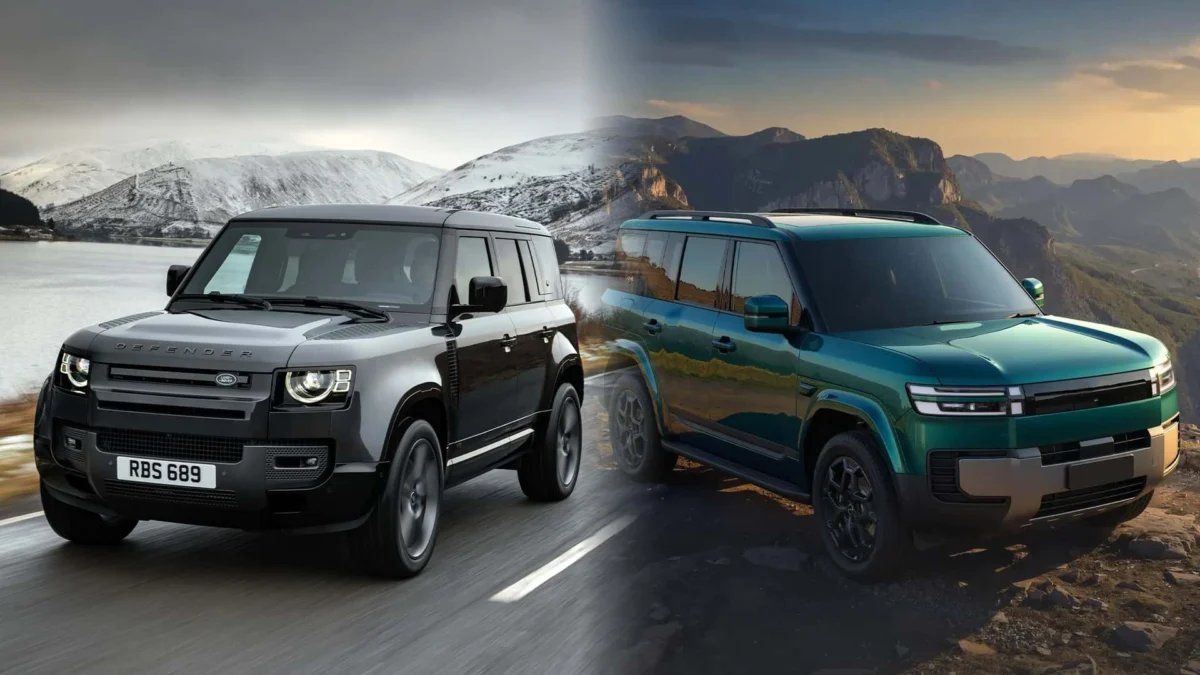
The automotive industry is currently witnessing a high-stakes legal confrontation between British luxury manufacturer Jaguar Land Rover (JLR) and the Chinese electric vehicle giant BYD. At the heart of the dispute is the BYD Ti7, a vehicle that JLR alleges bears an unauthorized resemblance to its iconic Land Rover Defender. The tension escalated significantly in August when court-appointed bailiffs conducted raids on two of BYD’s corporate offices in the Netherlands, acting on behalf of JLR to secure evidence.
These raids, which saw the seizure of digital records and development documentation pertaining to the Ti7, underscore a growing trend of intellectual property (IP) protectionism within the global automotive sector. As Chinese manufacturers aggressively expand into European markets, the friction regarding design language, proprietary technology, and patent law is intensifying. JLR has requested that a Dutch court intervene to determine if there is sufficient merit to proceed with a full-scale infringement lawsuit, a decision expected to be finalized later this week.
The Allegations: Design and Reverse Engineering
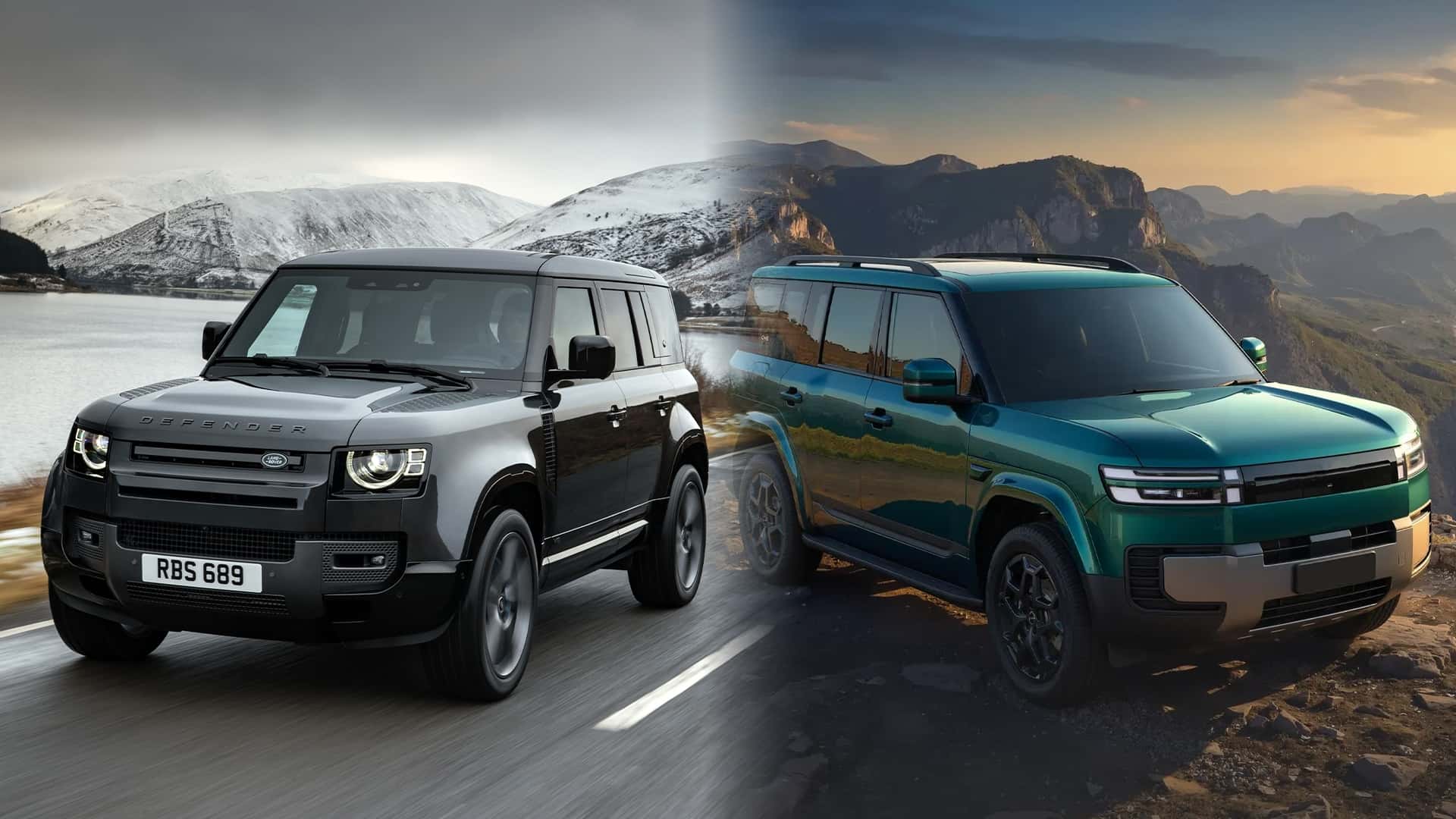
The visual parallels between the BYD Ti7 and the Land Rover Defender are striking, characterized by a utilitarian, boxy aesthetic that has become synonymous with the British brand’s off-road heritage. While manufacturers often engage in industry-standard benchmarking—where competitors systematically dismantle and analyze rival vehicles to understand their engineering solutions—JLR’s claims go beyond mere stylistic imitation.
According to reports from The Times, JLR alleges that BYD may have engaged in the unauthorized reverse engineering of the Defender. The concern for JLR is not merely that the Ti7 looks like a Defender, but that specific, patented, or proprietary technological advancements developed by the British firm may have been integrated into the Chinese vehicle’s architecture. If substantiated, this would constitute a severe breach of international intellectual property law, potentially resulting in injunctions against the sale of the Ti7 in European territories.
Chronology of the Dispute
The timeline of the Ti7’s rollout and the subsequent legal maneuvers highlights the rapid pace of the conflict:
- September 2025: BYD officially launches the Ti7 in the Chinese domestic market, positioning it as an affordable, high-utility SUV with a starting price under $27,000.
- April 2026: BYD introduces a battery-electric version of the Ti7 in China, retailing for approximately $29,900, signaling a clear intent to dominate both internal combustion and electrified SUV segments.
- August 2026: Acting on a court order, bailiffs raid two BYD offices in the Netherlands to seize technical documentation and development files related to the Ti7 project.
- Late 2026: The legal proceedings in the Netherlands reach a critical juncture, with a court scheduled to rule on whether the evidence warrants a full trial.
- January 2027 (Projected): BYD is scheduled to begin European deliveries of the Ti7, a timeline now threatened by the ongoing legal uncertainty.
Market Positioning and Economic Implications
The primary driver of JLR’s urgency is the massive disparity in pricing between the two vehicles. The European-spec Ti7 is expected to retail for approximately $64,500. In contrast, a 7-seater Land Rover Defender 110 carries a sticker price of roughly $92,000. By offering a vehicle with a similar aesthetic and utility profile for nearly $30,000 less, BYD poses a direct competitive threat to JLR’s market share in the premium SUV segment.
For JLR, this is not just about protecting a specific model; it is about defending the brand identity and the R&D investment that defines its premium pricing. If Chinese manufacturers can replicate the look and perceived capability of luxury vehicles at a fraction of the cost, the traditional economic model of European legacy automakers faces an existential challenge.
Precedents in IP Litigation
JLR is no stranger to the courtroom when it comes to defending its designs. The company has previously engaged in several notable legal battles:
- The Landwind X7 Case (2019): Perhaps the most significant victory for JLR was its lawsuit against the Chinese manufacturer Jiangling Motors. JLR successfully argued that the Landwind X7 was a blatant copy of the Range Rover Evoque. A Beijing court ruled in JLR’s favor, ordering Jiangling to stop production and pay compensation. This remains a landmark case for foreign companies operating in China.
- The Ineos Grenadier Case: Conversely, JLR’s attempt to block the production of the Ineos Grenadier—which shares a boxy, utilitarian design language with the classic Defender—was unsuccessful. The court ruled that the design of the classic Defender was not sufficiently distinct to grant JLR an exclusive monopoly on the "boxy" aesthetic, illustrating the high bar required to prove infringement based on visual similarity alone.
Official Responses and Industry Outlook
To date, both BYD and JLR have maintained a strategic silence regarding the ongoing litigation. When contacted by media outlets, spokespeople for both firms declined to provide comments, a move that is standard during active legal proceedings where the disclosure of information could be detrimental to the court’s decision-making process.
Industry analysts suggest that the outcome of this case could set a precedent for how European courts handle the influx of Chinese vehicles. Should the court find in favor of JLR, it could force BYD to modify the design or technology of the Ti7 before it enters the European market, or potentially trigger a broader recall or sales ban. Conversely, a victory for BYD would likely embolden other Chinese manufacturers to pursue similar "benchmarking" strategies with less fear of legal retaliation from European incumbents.
The Broader Impact on EU-China Automotive Relations
The conflict also arrives at a time of heightened trade sensitivity. The European Union has recently debated the implementation of tariffs on Chinese electric vehicles, citing unfair state subsidies that allow these companies to undercut European prices. The JLR-BYD case adds a new layer to this tension: the transition from trade policy disputes to private intellectual property litigation.
For the consumer, the situation presents a complex dilemma. On one hand, the availability of cheaper, technology-rich alternatives from manufacturers like BYD accelerates the democratization of electric vehicles. On the other hand, the protection of intellectual property is a cornerstone of the European automotive industry’s viability. If European automakers are unable to secure their patents, the incentive for the billions of dollars spent annually on R&D may diminish.
As the legal proceedings in the Netherlands continue, the global automotive industry will be watching closely. The ruling will not only dictate the fate of the Ti7 in Europe but will also signal how rigorously European courts intend to protect domestic design legacies against the rapid industrial output of emerging global powers. For now, the Ti7 remains a subject of intense scrutiny, caught between a quest for market dominance and the rigid walls of international property law.