By Susan Mayne, Ph.D.
July 24, 2026
My nearly decade-long tenure as director of the U.S. Food and Drug Administration’s (FDA) Center for Food Safety and Applied Nutrition irrevocably cemented my understanding: food safety and nutrition are intrinsically linked. To truly advance public health, we must champion both. The recent surge in cyclosporiasis cases, reaching record numbers and capturing widespread public attention, has starkly underscored this critical interdependence. Consumers are now acutely aware of the potential for illness lurking within the very foods they’ve been encouraged to consume for their nutritional benefits.
The FDA is currently engaged in the investigation of six distinct outbreaks of cyclosporiasis, a parasitic infection caused by the Cyclospora cayetanensis parasite. While the exact sources of all outbreaks remain under investigation, one significant cluster has been preliminarily linked to shredded iceberg lettuce. This development is particularly concerning given the widespread consumption of leafy greens in the American diet and the ongoing public health messaging promoting their inclusion for optimal nutrition.
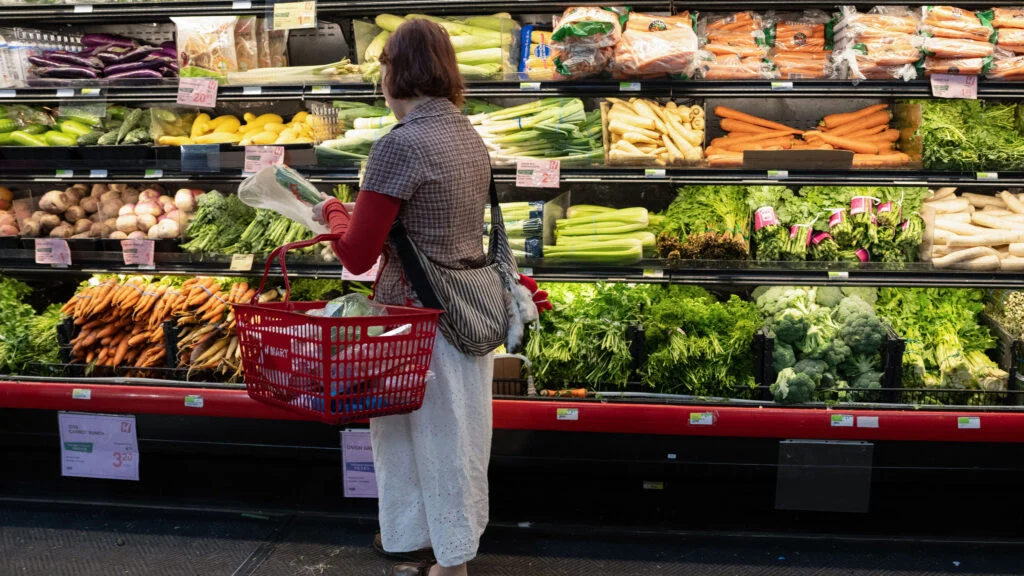
Fresh produce, including fruits and vegetables, has been a cornerstone of dietary recommendations for decades, lauded by nutritionists for their rich vitamin, mineral, and fiber content. However, these very items are also particularly susceptible to contamination by pathogens like Cyclospora. The current outbreak has prompted advisories for the public to exercise caution when consuming fresh fruits and vegetables, a message that has unfortunately resonated with a segment of the population through social media discourse. Anecdotal evidence suggests a vocal minority is reacting with sentiments like “more pizza!” and “Oreos never gave me explosive diarrhea!” This is not an entirely new phenomenon; similar sentiments were expressed during previous outbreaks involving E. coli and romaine lettuce, with some individuals stating they would prefer “a bag of Doritos than a salad.” Such reactions highlight a growing disconnect between the perceived risks of foodborne illness and the well-established benefits of a diet rich in fresh produce.
The FDA, as part of its implementation of the congressionally mandated Food Safety Modernization Act (FSMA), has long prioritized identifying foods that pose the highest risk for microbial contamination. This risk assessment has culminated in the creation of the "Food Traceability List." This list designates commodities that, due to their inherent vulnerabilities and historical links to outbreaks, require enhanced traceability measures. The purpose of these heightened requirements is to expedite the investigation process when foodborne illnesses occur, allowing for quicker identification of the source and more effective recall or removal of contaminated products from the market.
The Food Traceability List currently includes a range of fruits and vegetables such as cucumbers, herbs, leafy greens, melons, peppers, sprouts, tomatoes, and other vegetables, as well as fresh-cut fruits. It also encompasses certain dairy products, like specific cheeses. It is important to note that while meat and poultry are recognized as high-risk commodities for pathogens such as E. coli and Salmonella, they fall under the regulatory purview of the U.S. Department of Agriculture (USDA) and are therefore not included on the FDA’s list.
The Nutritional Paradox: High-Risk Foods and Health Benefits
A striking commonality among the foods designated as higher risk for microbial contamination is their prominent role in recommended healthy dietary patterns. These are precisely the types of "real foods" that the current administration has been actively promoting for their contribution to better nutrition and the reduction of chronic disease risks. The current administration has emphasized the importance of whole, unprocessed foods, aligning with established dietary guidelines aimed at improving public health outcomes.
A Shift in Focus: From Chemicals to Microbes
The current administration, however, appears to be confronting the critical importance of microbial food safety in a manner that may have unintended consequences. Over the past 18 months, there has been a discernible shift in regulatory emphasis, with a greater focus on chemical contaminants in food rather than microbial threats. This shift has been accompanied by a series of policy decisions and actions that, arguably, could undermine existing microbial food safety protocols. While specific policy details were not elaborated upon in the original context, the implication is that regulatory priorities and enforcement actions may have inadvertently created an environment more conducive to microbial contamination risks.
Cumulative Impact and Diminished Food Safety
I am frequently asked about the specific impact of individual regulatory actions on food safety. However, the reality is far more complex. It is the cumulative effect of numerous, often seemingly minor, changes that can lead to a gradual, yet significant, erosion of the overall food safety system. When multiple risk factors are introduced or exacerbated simultaneously, the system’s resilience can be compromised, making it more susceptible to failures. This interconnectedness means that even actions not directly related to microbial safety can, in their aggregate, contribute to a diminished capacity to prevent and respond to foodborne illnesses.
Climate Change: An Accelerating Threat to Food Safety
Compounding these challenges, the administration’s stance on climate change—characterized by some as dismissive or skeptical of its severity—and policies that may accelerate it, present a significant and growing threat to food safety. The scientific consensus is clear: a warming planet and increasingly volatile weather patterns, including extreme rainfall and flooding, are directly linked to an increased risk of foodborne illnesses. These environmental changes can create conditions more favorable for the survival and proliferation of pathogens in agricultural settings. Furthermore, the destruction of crops due to climate-related events leads to substantial food waste.
The link between food waste and global warming is well-established. When vast quantities of food are lost or discarded, the energy and resources invested in their production, processing, and transportation are also wasted. The disposal of this contaminated or spoiled food often contributes to greenhouse gas emissions. For instance, the anticipated destruction of large volumes of lettuce from regions like Mexico due to adverse weather conditions represents a significant loss of resources, from agricultural inputs to energy expended in international distribution and subsequent disposal. This cycle creates a self-perpetuating problem, where climate change exacerbates food safety risks, and the resulting food waste further contributes to climate change.
A Wake-Up Call for Public Health Leadership
The current cyclospora outbreak serves as an urgent wake-up call for all stakeholders, particularly our federal leaders entrusted with safeguarding and promoting public health. Consumers should never be forced to make a choice between nutritional well-being and food safety. True public health is achieved when consumers can confidently incorporate nutrient-rich foods, such as fruits and vegetables, into their diets without undue fear of illness. The reality is that the "real foods" that form the foundation of a healthy diet are indeed vulnerable to "real pathogens."
Background and Timeline of Cyclospora Outbreaks
- Early 2026: The FDA begins to observe an uptick in reported cases of cyclosporiasis, initially within isolated geographic regions.
- Spring 2026: Investigations into distinct clusters of illness intensify. The FDA, in collaboration with state and local health departments, initiates traceback investigations to identify common food sources.
- June-July 2026: The number of reported cyclosporiasis cases escalates dramatically, reaching record levels. The FDA publicly acknowledges multiple ongoing investigations into distinct outbreaks, with preliminary links emerging for some.
- July 15, 2026: The FDA announces it is investigating six separate cyclospora outbreaks, noting that one is currently linked to shredded iceberg lettuce. This announcement generates significant public concern and media attention.
- July 24, 2026: This article is published, reflecting on the implications of the outbreak and the broader context of food safety and nutrition policy.
Supporting Data and Public Health Impact
Cyclosporiasis is a foodborne illness caused by the parasite Cyclospora cayetanensis. Symptoms typically include watery diarrhea, loss of appetite, weight loss, cramping, bloating, and fatigue. In some cases, symptoms can persist for weeks or even months if left untreated. While not typically life-threatening for healthy individuals, it can cause significant discomfort and economic disruption due to lost workdays. For vulnerable populations, such as the elderly or immunocompromised, severe complications can arise.
The Centers for Disease Control and Prevention (CDC) historically reports an average of around 200-300 laboratory-confirmed cases of cyclosporiasis annually in the United States. However, outbreaks can significantly increase these numbers. For instance, a multi-state outbreak in 2018 linked to fresh basil resulted in over 200 illnesses. The current surge, involving six distinct outbreaks, suggests a widespread issue that could potentially far exceed typical annual case counts, placing a substantial burden on public health resources and healthcare systems. The economic impact extends beyond direct healthcare costs to include lost productivity and potential damage to the reputation of specific food industries.
Official Responses and Industry Reactions (Inferred)
While direct statements from all involved parties are not available, the FDA’s public communications regarding the ongoing investigations signal a commitment to transparency and public health protection. The agency’s proactive approach in alerting the public and initiating traceback efforts demonstrates its role in managing the immediate crisis.
The produce industry, particularly those sectors potentially implicated, would likely be cooperating fully with FDA investigations. Industry associations would be emphasizing their adherence to food safety protocols and reinforcing the importance of rigorous supply chain management. Following such outbreaks, there is often an increased focus on industry best practices, worker hygiene, and source water management in agricultural regions. The advisories to consumers to wash produce thoroughly, even items with peels, would be amplified by industry stakeholders.
Broader Implications and Future Outlook
The current cyclospora outbreak serves as a critical juncture, forcing a re-evaluation of the delicate balance between promoting healthy eating and ensuring the safety of our food supply. The public’s trust in the safety of fresh produce has been shaken, and rebuilding that confidence will require sustained effort from regulators, industry, and public health advocates.
The emphasis on "real foods" for nutritional benefits must be intrinsically supported by a robust and vigilant food safety infrastructure. This means ensuring that regulatory agencies have the resources and policy support necessary to effectively monitor, investigate, and prevent foodborne illnesses. It also necessitates a proactive approach to emerging threats, including the anticipated impacts of climate change on agriculture and food production.
The administration’s stated commitment to public health and nutrition can only be fully realized if it is underpinned by an equally strong commitment to food safety. The interconnectedness of these two pillars of health means that neglecting one inevitably weakens the other. The cyclospora outbreaks, while a cause for concern, also present an opportunity to reinforce this essential link and to foster a food system where nutritious choices are always safe choices.
The lessons learned from this outbreak should inform future policy decisions, ensuring that the pursuit of nutritional goals does not inadvertently compromise the safety of the foods that are fundamental to a healthy population. The path forward requires a unified approach that acknowledges the vulnerabilities of our food system and invests in its resilience, particularly in the face of environmental challenges.
Susan Mayne, Ph.D., served as director of the FDA’s Center for Food Safety and Applied Nutrition from 2015 to 2023. She is an adjunct professor at the Yale School of Public Health. This essay first appeared on her Substack.