The story of the African continent is profoundly defined by one of the most significant demographic movements in human history: the Bantu expansion. Beginning roughly 6,000 to 4,000 years ago, communities from the region encompassing present-day Cameroon and Nigeria embarked on a multi-millennial migration that would fundamentally reshape the linguistic, technological, and genetic landscape of sub-Saharan Africa. This expansion was not a single, monolithic event but a complex, multi-generational process that introduced sedentary farming, metallurgy, and a new linguistic framework to vast territories previously occupied by diverse hunter-gatherer populations.
The Genesis of a Continent-Wide Transformation
The Bantu expansion originated in the Grassfields region of western Africa. Archaeological evidence, while fragmentary, suggests that early Bantu-speaking groups were early adopters of a "package" of innovations that granted them a competitive advantage in land use and population growth. This package included the cultivation of yams and oil palms, the domestication of livestock, and, crucially, the mastery of iron metallurgy.
The ability to extract iron from ore was a technological turning point. By smelting iron to create durable tools—hoes for agriculture, axes for clearing forests, and arrowheads for hunting and defense—Bantu-speaking communities could settle and cultivate environments that were previously inaccessible or unproductive. As these populations grew, the necessity for new arable land drove a gradual, southward and eastward push. This migration, spanning thousands of years, saw these groups move through the Congo rainforest and eventually across the Great Lakes region into eastern and southern Africa.
Chronology of the Expansion
To understand the scale of this movement, one must view it as a series of waves rather than a singular march. Archaeological and linguistic markers provide a rough timeline of this progression:
- 6,000–4,000 Years Ago: The emergence of ancestral Bantu communities in the Grassfields of Cameroon. Initial development of pottery, rudimentary farming, and early iron-working techniques.
- 3,500–2,500 Years Ago: Migration begins in earnest. Groups move into the dense Congo rainforest. Evidence from pottery shards along the Congo River suggests a permanent settlement pattern taking hold by 2,300 years ago.
- 2,500–1,500 Years Ago: Upon reaching the southern fringes of the rainforest, the population diverged into distinct eastern and southern streams. This era marks the rapid dispersal of Bantu languages across the Great Lakes and down the eastern coast.
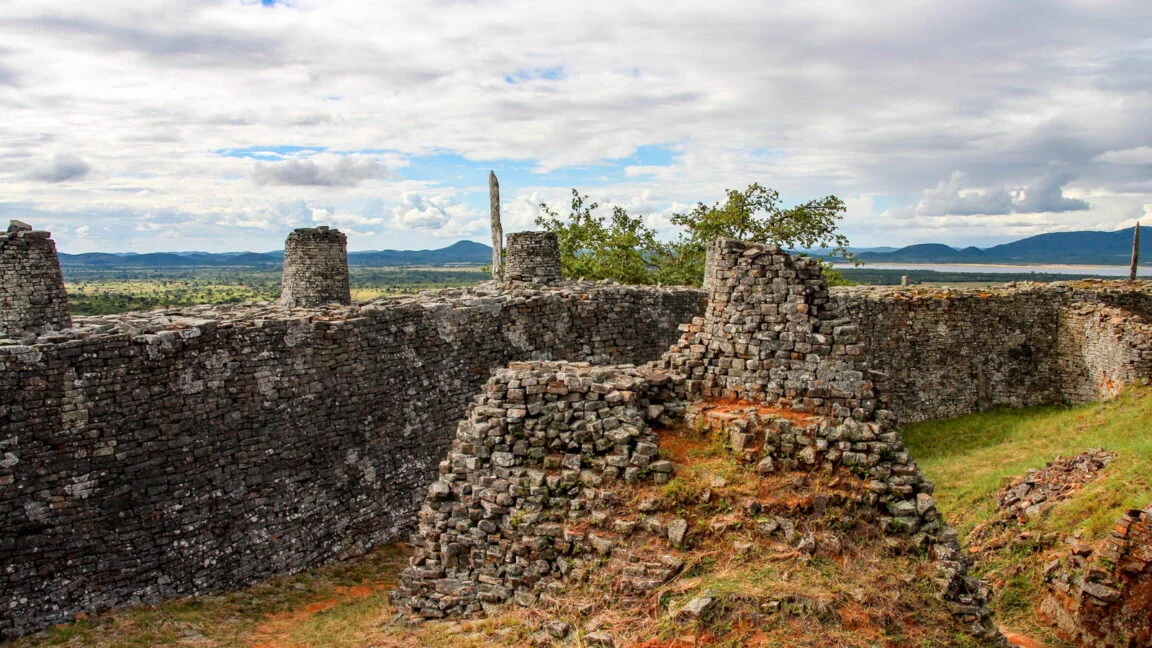
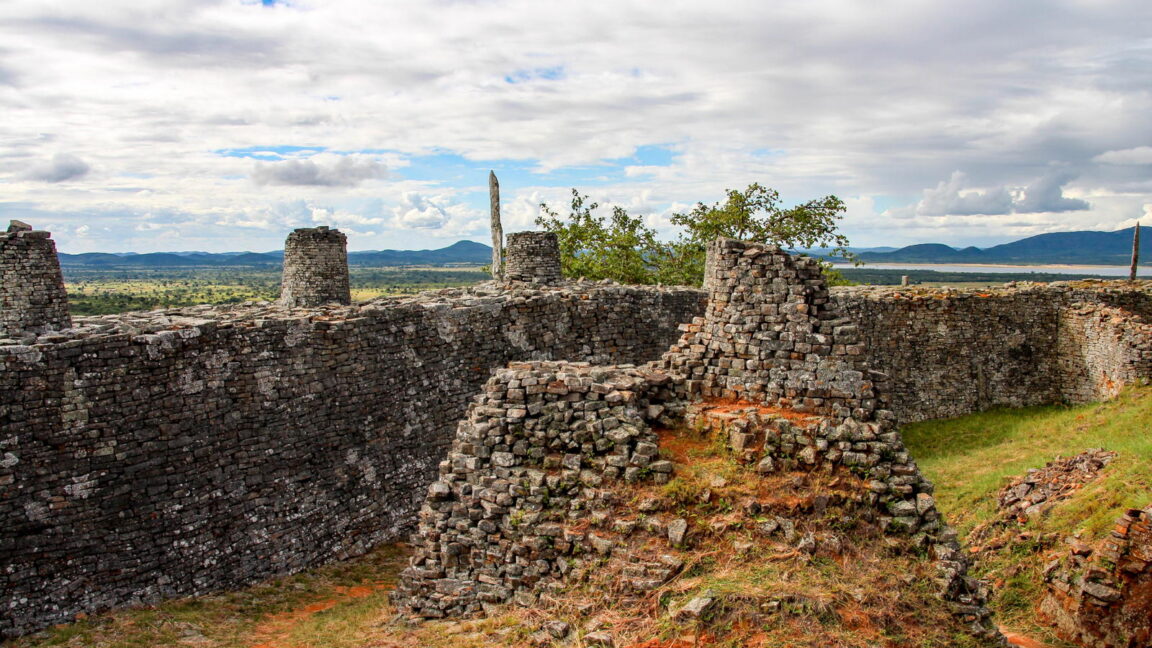
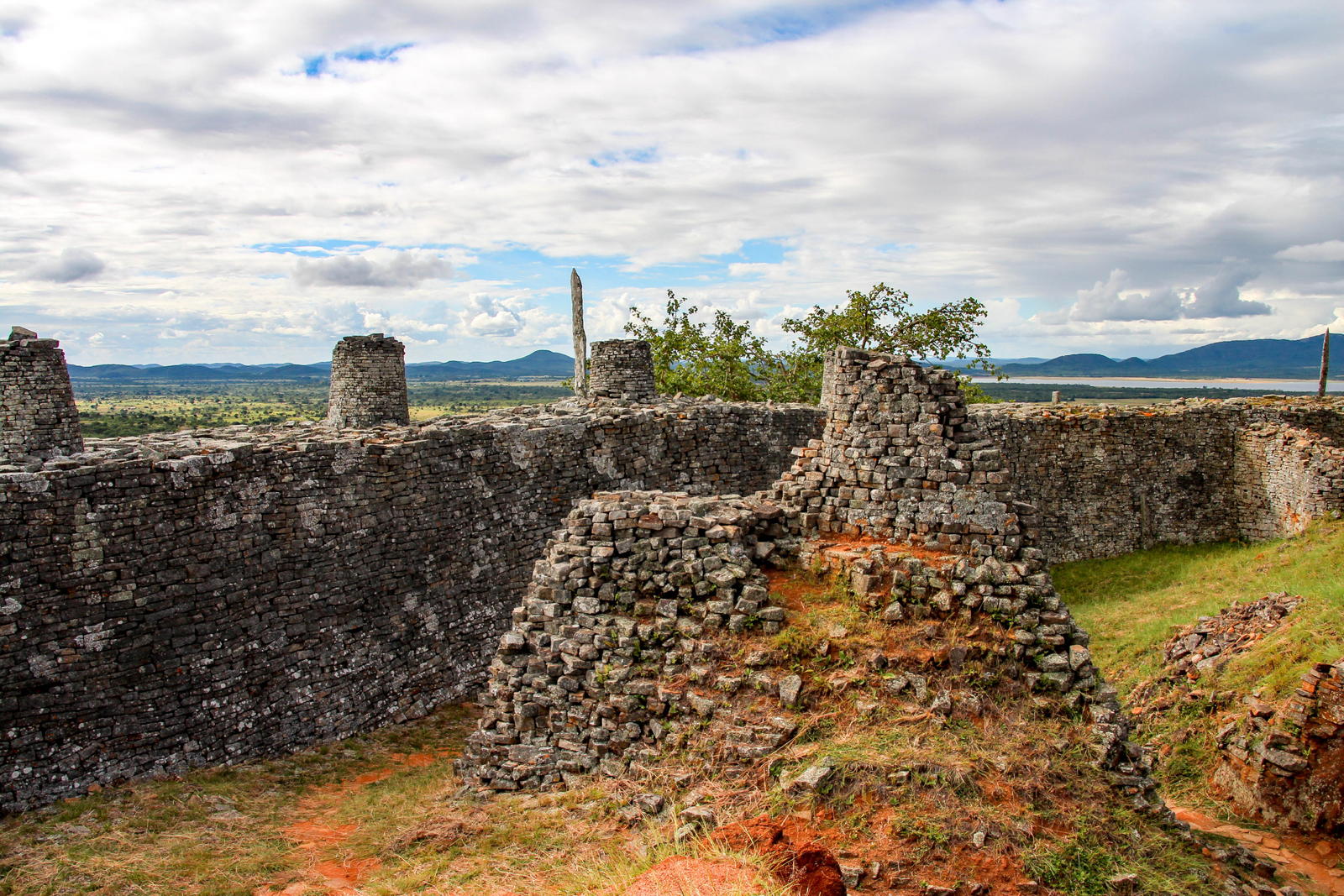
- 1,000–1,700 AD: The establishment of complex state societies. The rise of Great Zimbabwe exemplifies the culmination of this process, characterized by massive dry-stone architecture, sophisticated iron production, and expansive trade networks reaching the Indian Ocean.
Technological Sophistication and the Great Zimbabwe Legacy
The ruins of Great Zimbabwe stand as a testament to the organizational and technical prowess of these migrated populations. Archaeometallurgists have long studied the iron-smelting furnaces found in the city’s hinterlands, such as those at Mashava. These structures were marvels of engineering, utilizing natural-draft technology to achieve temperatures exceeding 2,100 degrees Fahrenheit. Unlike contemporary European or Asian methods that often required manual bellows, these furnaces utilized chimney-like designs to draw air, a testament to the advanced indigenous engineering prevalent in the kingdom.
Recent studies by researchers like Ezekiel Mtetwa of the Field Museum of Natural History suggest that the mastery of iron was not merely functional but integrated into the social and ritual life of the people. The discovery of bone fragments within furnace rubble—which acted as a flux to accelerate the separation of iron from ore—indicates that practitioners possessed a sophisticated, empirical understanding of chemistry, often practiced within the context of traditional rites.
Linguistic and Genetic Evidence
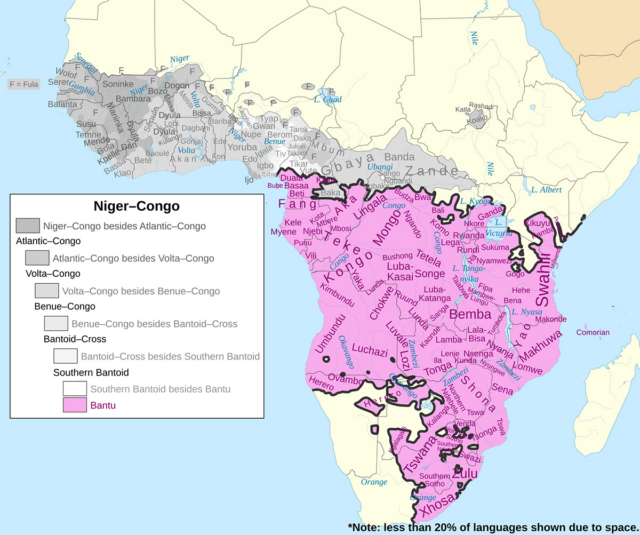
The linguistic unity of the Bantu family is one of the most compelling pieces of evidence for this expansion. Today, approximately 350 million people speak one of roughly 500 Bantu languages, ranging from Swahili in the east to Zulu and Xhosa in the south. The degree of similarity between these languages is so pronounced that, historically, travelers could communicate across thousands of miles of disparate terrain.
Genetic studies have further corroborated the archaeological and linguistic record. A 2024 genomic analysis of 1,763 individuals across sub-Saharan Africa revealed a clear "signature of expansion." Genetic diversity is highest among Bantu speakers in the western African homeland and decreases predictably as one moves further east and south. This pattern, typical of a founder effect, confirms that the expansion was a genuine movement of people, rather than merely a cultural transfer of technologies between static groups.
The Complexity of Integration: Mixing and Mingling
The expansion was not a vacuum-based movement; it involved extensive interaction with indigenous populations, such as the rainforest hunter-gatherers and the Khoisan peoples. Genetic data reveals significant intermixing. In some instances, this integration was characterized by asymmetric power dynamics. For example, research into southern African Bantu speakers shows a higher frequency of Khoisan-derived DNA in maternal lineages (mitochondrial DNA) compared to paternal lineages (Y chromosomes), suggesting that early Bantu-speaking men frequently married or integrated women from local hunter-gatherer communities.
This cultural exchange also left a permanent mark on language. The distinctive "click" consonants found in languages like Zulu and Xhosa are widely believed to be an adoption of phonetic features from ancestral Khoisan languages, a rare and fascinating example of linguistic borrowing occurring through long-term social contact and bilingualism among the children of these mixed unions.
Broader Implications and Future Research
The legacy of the Bantu expansion is a central pillar of modern African identity. It created a mosaic of cultural diversity that remains unparalleled globally. However, the study of this period faces ongoing challenges. As noted by linguists like Igor Yanovich, the traditional "tree model" of language evolution—which assumes languages split in isolation—fails to account for the constant cross-pollination and contact that occurred throughout the migration.

Modern researchers are shifting toward more nuanced models. Geneticists are now prioritizing the analysis of ancient DNA to map the precise routes of migration and the timing of intergroup encounters. Simultaneously, archaeologists are advocating for increased investment in local research infrastructure. As Shadreck Chirikure of the University of Oxford points out, the reliance on external, often limited, funding sources hampers the ability to conduct the large-scale, systematic excavations necessary to fully document the expansion.
The implications of this research extend beyond historical curiosity. By understanding the mechanisms of the Bantu expansion—how these populations adapted to climate shifts, managed resources, and integrated with diverse neighbors—scientists gain insights into human resilience and societal evolution. The story of the Bantu is a story of innovation, movement, and the complex process of building civilizations that, at their peak, were among the most advanced in the world, influencing trade networks from the heart of Africa to the coasts of India and China.
As academic disciplines—genetics, archaeology, and linguistics—continue to converge, the picture becomes clearer. The Bantu migration was not just a historical event to be filed away; it is a living history that explains the fundamental structures of contemporary African society. It remains a testament to the adaptability of the human spirit and the enduring power of cultural and technological exchange to forge new, vibrant identities across a continent. The ongoing effort to document this history is, in itself, a vital contribution to our global understanding of how civilizations form, interact, and persist through the centuries.