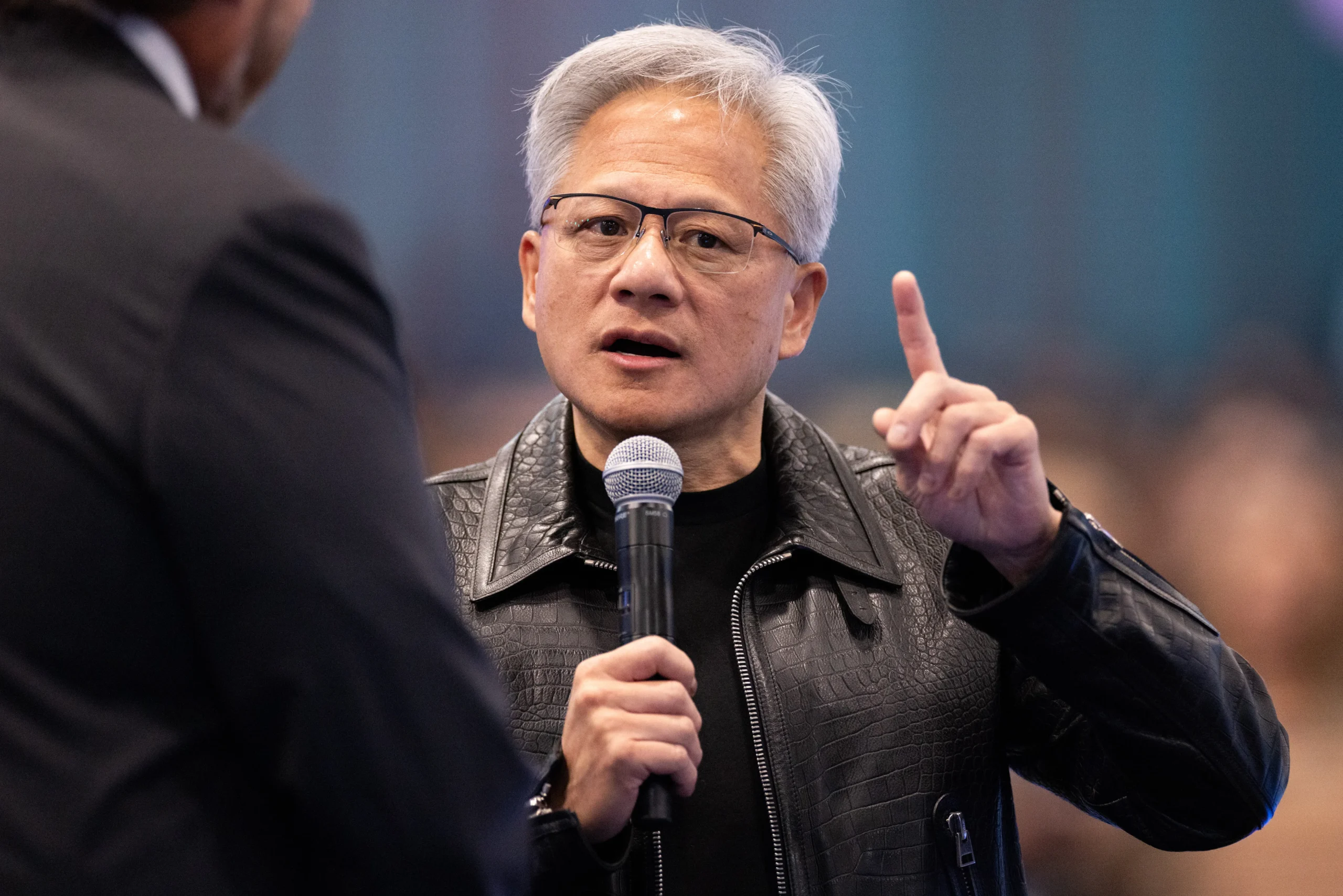
An intelligence memo circulated earlier this year has ignited intense scrutiny across the technology and geopolitical landscapes, alleging that technology executive Alice Huang was recruited by China’s Ministry of State Security (MSS) to target Nvidia Chief Executive Officer Jensen Huang. The explosive document, which surfaced through disclosures obtained by major journalistic outlets, highlights the growing anxieties surrounding corporate espionage, national security vulnerabilities, and the high-stakes geopolitical battleground over advanced artificial intelligence hardware.
According to initial reporting by The New York Times, the confidential memo was constructed from U.S. intelligence assessments detailing the alleged espionage operation. Subsequent investigations by The Financial Times revealed further layers to the intelligence community’s findings, claiming that the recruitment effort involved a personal dimension, specifically asserting that Jensen Huang and Alice Huang—an executive at a Singapore-based firm identified as Megaspeed—had a romantic relationship.
The revelation underscores the vulnerability of high-profile technology leaders to sophisticated foreign intelligence operations, particularly as artificial intelligence hardware becomes one of the most heavily guarded strategic assets on the global stage.
Chronology and Intelligence Disclosures
The emergence of the intelligence memo follows months of heightened tension between Washington and Beijing regarding the export of advanced semiconductor technology. While the memo was circulated earlier this year within select governmental and intelligence-sharing circles, its public exposure marks a significant escalation in the discourse surrounding foreign interference in corporate America.
The timeline of events leading up to the public disclosure highlights a methodical investigation by U.S. intelligence agencies into Chinese intelligence gathering techniques. Historically, foreign intelligence services have utilized a variety of vectors—ranging from cyber operations and traditional human intelligence (HUMINT) to commercial partnerships and personal relationships—to gain access to proprietary information and executive-level networks.
In this instance, the focus shifted toward the inner circle surrounding one of the most influential figures in the global technology sector. Jensen Huang, who has steered Nvidia to unprecedented prominence amid the generative AI boom, frequently interacts with international business figures, policymakers, and industry executives, making him a prime target for foreign state actors seeking insights into U.S. technological capabilities.
Official Responses and Corporate Stance
In response to the mounting media inquiries, representatives for Nvidia have moved quickly to address the allegations while maintaining a cautious and measured tone. An Nvidia spokesperson addressed the narrative in a statement to The New York Times, characterizing Jensen Huang’s professional and personal interactions with Alice Huang as "not unusual." Furthermore, the spokesperson firmly emphasized that Nvidia maintains strict compliance protocols and does not share classified or sensitive proprietary information with its customers or external partners.
Regarding the broader context of export controls and international sales, Nvidia has consistently maintained that its business practices align with federal regulations. Addressing separate concerns regarding regulatory compliance and international distribution channels, the Nvidia spokesperson reiterated the company’s commitment to the domestic market, noting that Nvidia sells "the first, best and most of our technology in America."

The Shifting Landscape of Semiconductor Export Controls
The allegations surrounding the intelligence memo do not exist in a vacuum; they coincide with intensified regulatory scrutiny over how advanced semiconductors find their way into restricted markets. In a parallel report published by The New York Times, investigative journalists trained their focus on New Matrix, a Chinese enterprise that had received official authorization from the U.S. Commerce Department to purchase advanced Nvidia chips.
However, when reporters visited the physical office address officially listed by New Matrix, they discovered what was described as "a hollow gray shell." The absence of meaningful corporate operations at the registered location has raised profound alarms among lawmakers and regulatory watchdogs, sparking fears that authorized entities may be acting as sophisticated front companies. Investigators are probing whether these operations are designed to channel restricted hardware to blacklisted private equity firms or military-linked entities in China, thereby circumventing strict U.S. export controls.
The discovery highlights the immense challenges faced by the U.S. Bureau of Industry and Security (BIS) and other regulatory bodies in monitoring the end-use and end-user verification of cutting-edge graphics processing units (GPUs). As demand for computational power continues to outstrip supply, the incentive for illicit procurement networks to bypass trade restrictions has grown exponentially.
Broader Implications for the Tech Industry and Geopolitical Security
The convergence of alleged espionage targeting a chief executive and the ongoing investigations into front companies purchasing advanced chips illustrates the multifaceted nature of modern techno-nationalism. The intersection of corporate leadership, personal vulnerability, and international espionage has profound implications for how multinational technology corporations operate in an increasingly fractured global economy.
First, boardrooms across Silicon Valley and international tech hubs are being forced to reevaluate their security postures. Executive protection programs have traditionally focused on physical safety and cybersecurity threats such as phishing or malware. However, the alleged MSS operation points to the persistent threat of sophisticated human intelligence campaigns aimed at cultivating relationships with individuals close to top executives. Companies are now under pressure to implement more rigorous vetting and awareness training for executives operating in cross-border environments.
Second, the incident is likely to accelerate calls for tighter regulatory frameworks regarding semiconductor sales. Lawmakers in Washington who have long advocated for stringent export controls will likely point to the New Matrix investigation as evidence that current enforcement mechanisms are insufficient. This could lead to legislative proposals requiring stricter verification of corporate identities, physical audits of international buyers, and harsher penalties for entities found to be acting as illicit conduits.
Finally, the situation places Nvidia in a delicate balancing act. As a publicly traded multinational corporation with a massive global customer base, Nvidia relies heavily on international markets while remaining anchored to U.S. national security interests. Navigating the tightening web of export restrictions, geopolitical rivalries, and heightened intelligence scrutiny will require unprecedented levels of compliance and transparency.
As investigations continue and policymakers digest the full scope of the intelligence memo and associated front-company revelations, the tech industry faces a new reality: the battle for technological supremacy is no longer confined to trade policy and research laboratories, but extends deeply into the personal and corporate lives of the executives building the future of artificial intelligence.