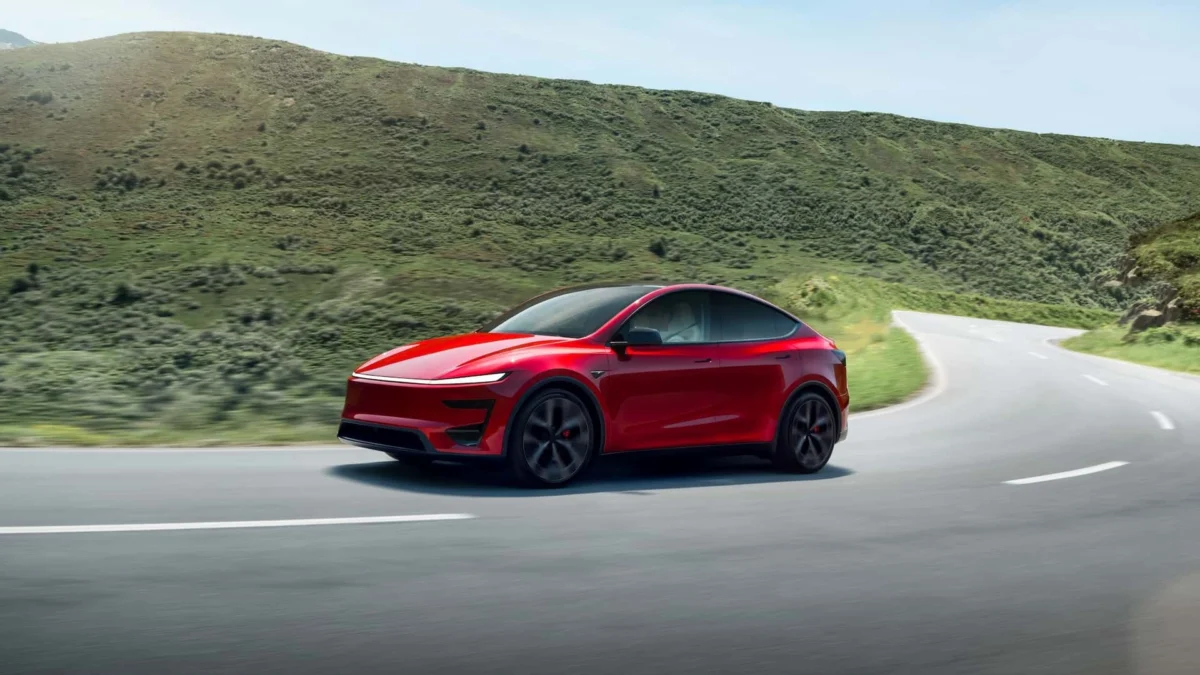
The landscape for automotive electrification is currently defined by a sharp geographical divergence. While the U.S. market has grappled with shifting federal tax incentives and cooling consumer demand, the United Kingdom has witnessed an unprecedented surge in battery-electric vehicle (BEV) adoption. According to data provided by the automotive industry lobby New AutoMotive, the month of October marked a milestone for the UK, with 49,155 new fully battery-electric vehicles registered. This figure represents a robust 54% increase compared to the same month in the previous year and underscores a structural shift in the nation’s automotive consumption patterns, with BEVs now accounting for 32% of all new vehicle registrations.
A New Market Leader in Fuel Types
The significance of this 32% market share cannot be overstated. For the first time in the UK’s modern automotive history, battery-electric vehicles have outperformed all other powertrain configurations, including traditional internal combustion engines (gas and diesel) and hybrid electric vehicles. This transition indicates that the electric powertrain has moved beyond the "early adopter" phase and has firmly established itself as the primary preference for a significant portion of the new car buying public.
Ben Nelmes, CEO of New AutoMotive, emphasized the economic drivers behind this trend. "Almost one in three new cars sold in October was fully electric, more than any other fuel type," Nelmes stated. He noted that consumers are making pragmatic financial decisions, observing that "drivers are voting with their wallets. Every one of those new electric cars means a household spending less on volatile running costs, and a country less exposed to the global oil price shocks that have historically disrupted the economy."
The Competitive Landscape: Diversity and Disruption
The success of the UK market is partially attributed to the wide variety of available models. Unlike the U.S., where the electric vehicle market has historically been dominated by a small handful of players, the UK provides consumers with a diverse ecosystem of manufacturers. Legacy European giants such as Renault, Peugeot, Fiat, Volkswagen, and Skoda are competing for market share alongside newer, aggressive entrants from China, including BYD and Jaecoo.
The October sales data reflected this intense competition. While Tesla has historically served as the benchmark for global EV sales, its performance in the UK saw a notable slump following a robust September. Instead, the market saw strong performances from Kia, BMW, Volkswagen, and BYD, which effectively captured the shifting consumer appetite.
When observing the year-to-date performance, the hierarchy of the market becomes clearer. Tesla retains the top position with a 9.53% market share—a 25.4% increase over the previous year. Kia follows closely with a 6.9% share, while BYD has rapidly ascended to third place with a 6.8% share. The absence of traditional European legacy brands from the top three spots is a notable industry anomaly, suggesting that while European manufacturers have invested billions into electrification, global competitors are currently proving more adept at securing supply chains and pricing their products for the mass market.
Used Car Market Momentum
The surge is not confined to the showroom floor of new dealerships. The secondary market for electric vehicles is showing a parallel expansion, indicating that the transition to electric mobility is becoming more accessible to the average consumer. According to insights from industry analyst group EV Powered, demand for pre-owned electric vehicles is growing rapidly.
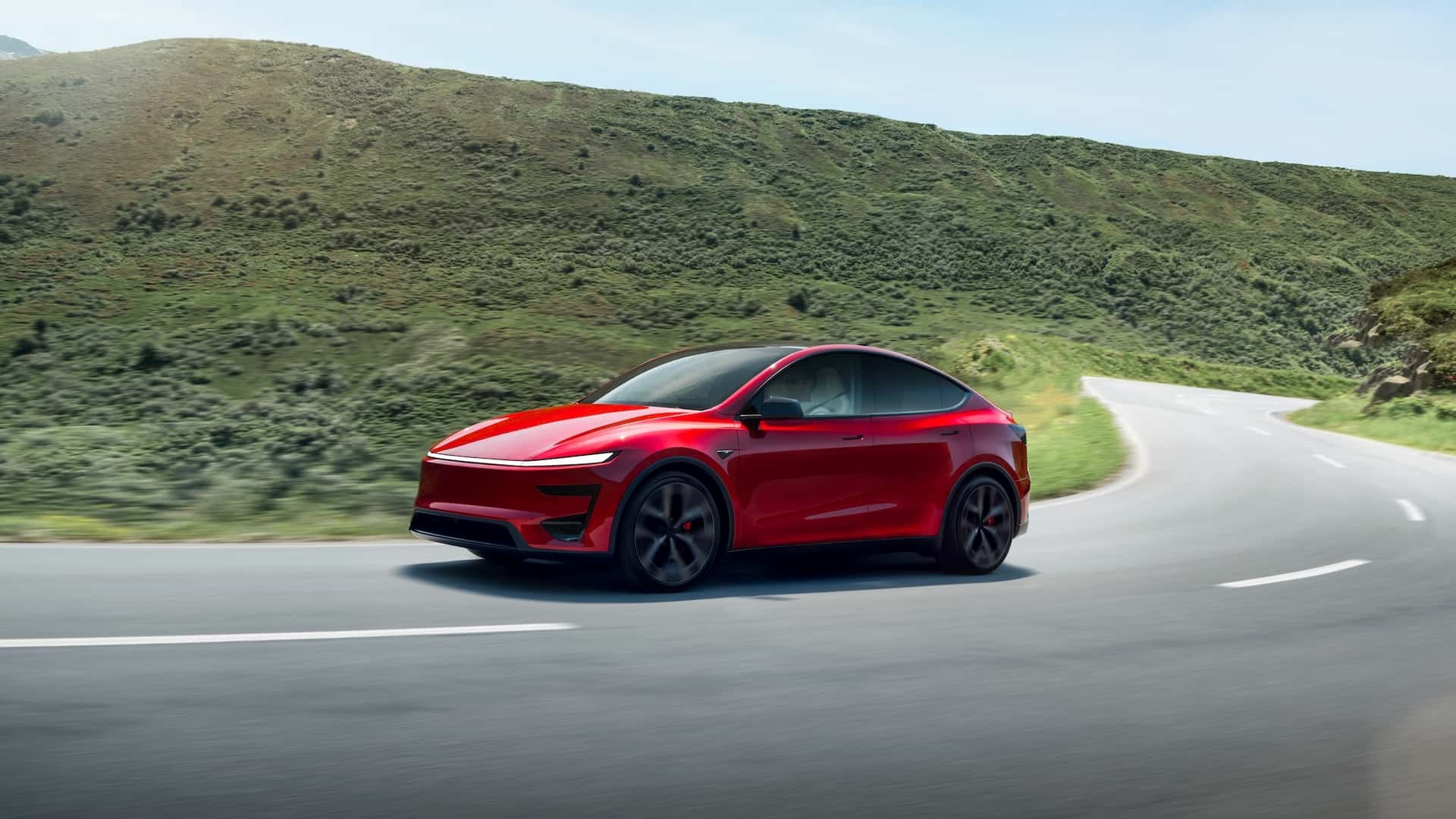
This trend is critical for the long-term sustainability of the EV transition, as it allows for a lower barrier to entry for buyers who might find the sticker price of a new vehicle prohibitive. As the volume of leased vehicles from the past three years enters the used market, the increased supply is helping to stabilize prices, which in turn fuels further adoption among price-sensitive demographics.
Continental Trends: The German Perspective
The UK is not an outlier in its enthusiasm for electrification; it is part of a broader European trend. Germany, the continent’s largest automotive market, has reported similar, if not more aggressive, growth. The German Federal Motor Transport Authority (KBA) recently noted that battery-electric vehicles captured 37% of the market in a single month, with over 94,000 units registered. This represents an 80% year-over-year increase, signaling that the European transition to electric transport is gaining significant momentum across its largest industrial centers.
The primary driver behind this growth is arguably the volatile cost of fossil fuels. As energy markets continue to fluctuate, the cost-per-mile efficiency of electric vehicles has become a primary selling point for both private buyers and corporate fleets. Governments across Europe have also maintained a consistent policy environment regarding emissions targets, providing the regulatory certainty that has often been debated in the United States.
Chronology of the European EV Transition
To understand the current state of the market, one must look at the progression of the last few years.
- 2022: The energy crisis caused by geopolitical instability in Eastern Europe led to a massive spike in gasoline and diesel prices, forcing consumers to consider alternative fuel sources.
- 2023: Governments began implementing stricter emissions standards and "Clean Air Zones" in major cities, effectively penalizing high-emission vehicles and incentivizing the purchase of zero-emission alternatives.
- Early 2024: Supply chain constraints that had plagued the automotive industry post-pandemic began to ease, allowing manufacturers to meet the pent-up demand for electric models.
- Late 2024: A influx of affordable models from Chinese manufacturers, combined with improved charging infrastructure, has allowed for the current record-breaking adoption rates in the UK and Germany.
Broader Implications and Future Outlook
The shift toward electric vehicles carries significant implications for the global automotive industry. First, the success of manufacturers like BYD in Europe indicates that the traditional dominance of Western legacy automakers is being challenged on their own home turf. If European manufacturers cannot improve their competitive positioning—specifically regarding battery technology and software integration—they risk losing significant market share to international rivals who have achieved greater vertical integration.
Second, the reliance on electricity as a transport fuel is forcing a major overhaul of the energy grid. As the number of electric vehicles on the road increases, the demand for stable, renewable energy becomes even more critical. The economic argument presented by industry leaders—that EVs insulate a nation from oil price shocks—is inherently tied to the transition of the energy grid to renewable sources. If the grid remains dependent on fossil fuels, the "green" argument for EVs is weakened, though the economic argument regarding operational costs remains largely intact.
Finally, the contrast between the UK and the U.S. serves as a case study in policy effectiveness. In the U.S., the reliance on tax credits has created a "boom and bust" cycle that is highly susceptible to political shifts. In the UK and Europe, the combination of aggressive fleet emissions targets, the introduction of low-emission zones in major urban centers, and a diverse range of affordable vehicle options has created a more organic, market-driven adoption cycle that appears more resilient to short-term economic fluctuations.
As the industry moves toward 2025, the focus will likely shift from simply increasing sales volume to building the infrastructure necessary to support a fleet that is increasingly electrified. This includes the expansion of ultra-fast charging networks, the development of battery recycling initiatives, and the ongoing effort to make EVs an attractive option for households without access to private off-street charging. The current trajectory in the UK suggests that once the tipping point of market share is reached, the transition becomes self-sustaining, driven by consumer preference rather than just regulatory necessity.