Kia is rapidly transforming its commercial vehicle strategy, building upon the foundational success of its award-winning PV5 electric van to introduce the larger, more capable PV7. Following the PV5’s recognition as the 2026 International Van of the Year—an accolade that solidified Kia’s reputation for practical, high-efficiency commercial electrification—the PV7 enters the market as a scaled-up solution designed to address the more demanding requirements of fleet operators and logistics companies. By prioritizing interior volume, advanced battery technology, and modular architecture, Kia is positioning itself as a formidable competitor in the rapidly evolving electric commercial vehicle sector.
Evolution of the Platform: From PV5 to PV7
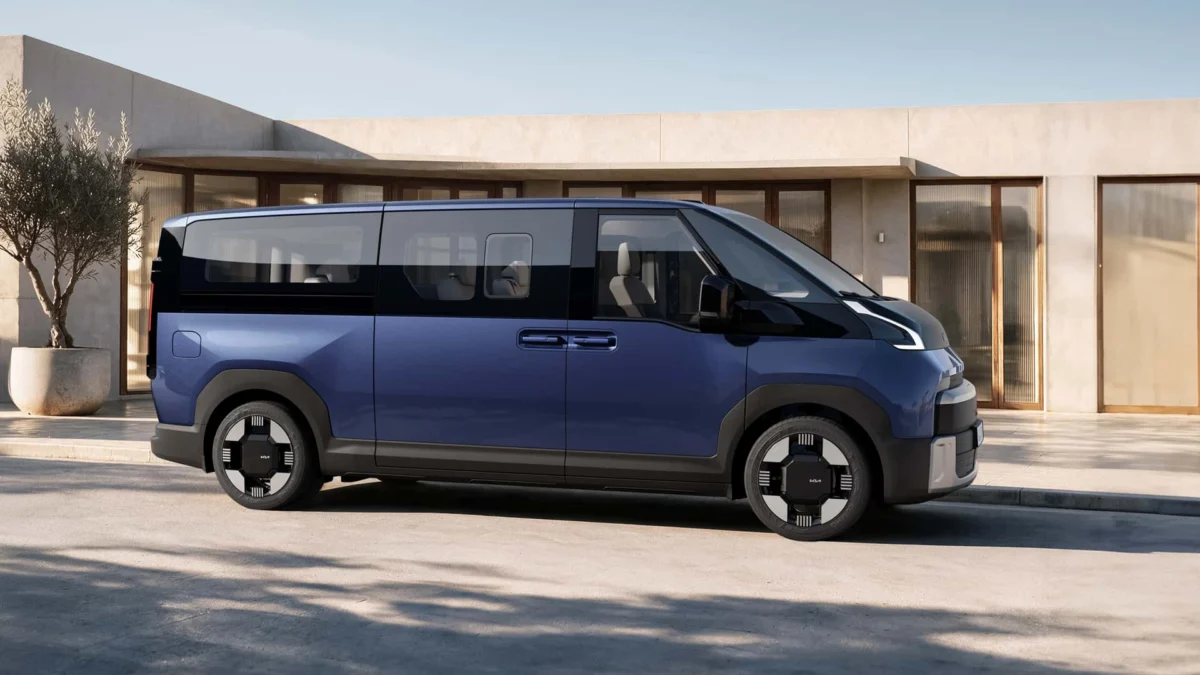
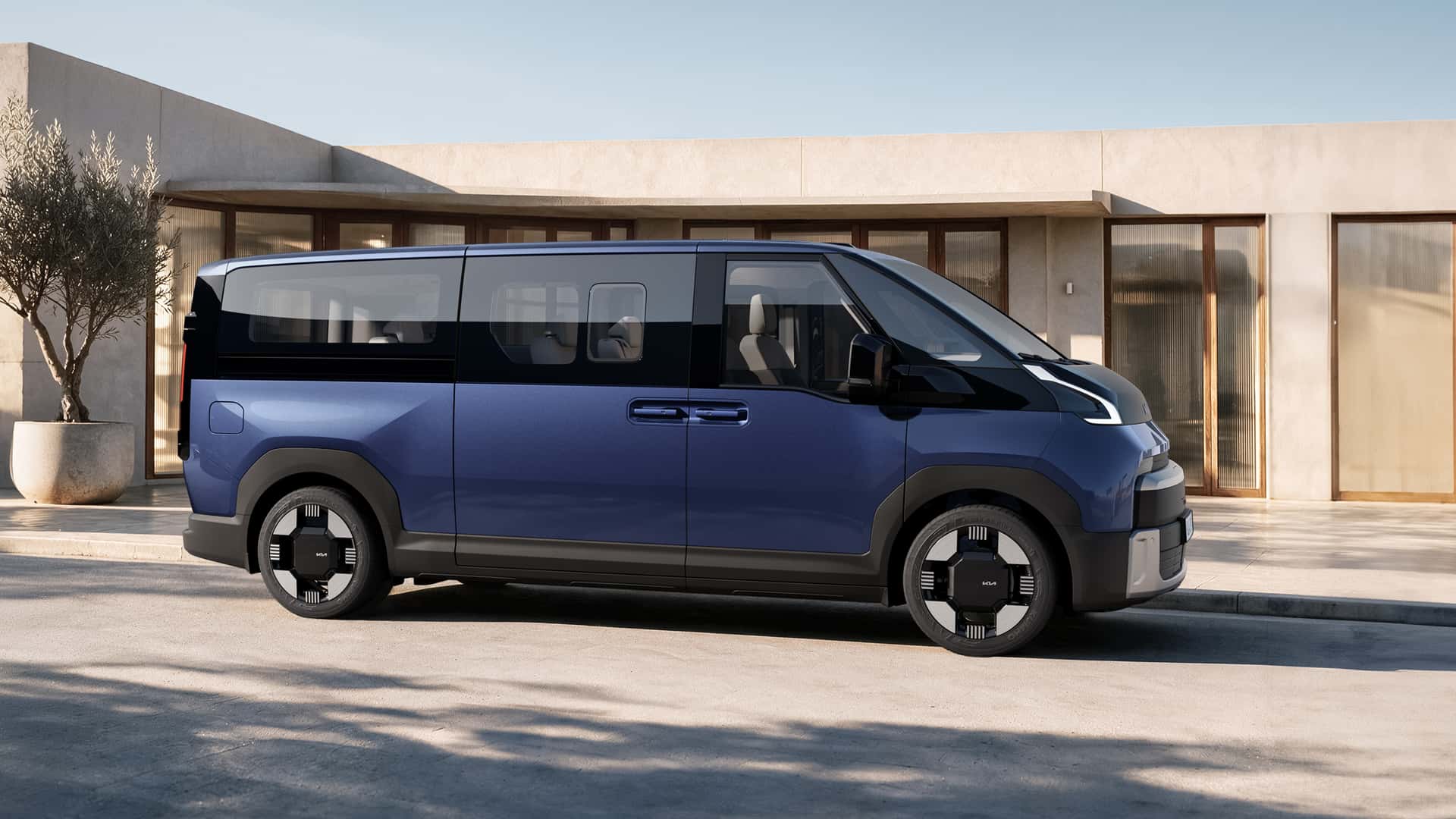
The development of the PV7 represents a logical progression in Kia’s modular "Platform Beyond Vehicle" (PBV) strategy. While the PV5 serves the middle-market segment, the PV7 is engineered to bridge the gap toward heavy-duty commercial transport. Visually, the design language remains consistent with the current Kia electric van aesthetic, characterized by a utilitarian, boxy silhouette designed to maximize cargo efficiency. However, the PV7 distinguishes itself through a significantly extended wheelbase and an increased roof height, which facilitates greater storage capacity and improved ergonomics for professional drivers.
Underneath the chassis, the engineering team has implemented a more robust powertrain architecture. While the base battery capacity of the PV7 sits at 71.5 kWh—matching the long-range specification of the smaller PV5—the PV7 introduces a higher-tier 96.2 kWh battery option. This capacity upgrade is essential for operators managing long-haul logistics or high-frequency delivery routes where frequent downtime for charging is not economically viable. The initial launch phase will feature a single-motor, front-wheel-drive configuration producing 268 horsepower and 310 lb-ft of torque, with Kia confirming that a dual-motor, all-wheel-drive variant is currently in the development pipeline to provide enhanced traction for mountainous or inclement weather operations.
Performance Metrics and Charging Infrastructure
A critical differentiator for the PV7 is its commitment to high-speed charging efficiency. The vehicle utilizes an 800-volt electrical architecture, a significant upgrade over the 400-volt systems currently found in many entry-level commercial EVs. When connected to a 350 kW DC fast charger, the PV7 is capable of achieving a 10% to 80% state-of-charge in approximately 20 minutes. This charging speed is a strategic advantage for commercial operators, as it drastically reduces the time a vehicle remains sidelined during a shift.
For the most efficient "Long Range Cargo" configuration, the PV7 is projected to achieve a maximum range of 289 miles based on the WLTP cycle. While real-world range will inevitably fluctuate based on payload, climate, and driving behavior, Kia has integrated a specialized "Heavy Load Driving" mode. This software-driven feature dynamically adjusts the powertrain torque delivery and regenerative braking profiles to compensate for the added mass of a full cargo load, ensuring that performance remains consistent regardless of the weight in the back.
Configuration and Modular Utility
Kia is offering the PV7 in two primary categories: Cargo and Passenger. Each is designed to satisfy distinct operational needs. The Cargo variant, the core of the commercial offering, is available in three distinct body styles: Compact, Long, and High Roof.
The High Roof variant provides the maximum internal volume, offering 86 square feet of floor space, which is a significant increase over the 6.1 square feet found in the Long model. Payload capacity remains a focus, with the standard compact model capable of hauling up to 2,646 pounds, while the Long body offers a 2,568-pound payload limit. Furthermore, the Long body’s design ensures a low loading height of 550 mm, specifically engineered to accommodate three full-size Euro pallets, a standard requirement for European logistics providers.
To further enhance daily utility, the Cargo models include a choice of rear entry systems: a traditional lift-up tailgate or a barn-door style dual-swing configuration. Additional professional-grade features include a load-through bulkhead for transporting long items and a "Smart Walkaway" system that automatically secures the sliding doors when the driver moves beyond the key’s range.
The Passenger variant, conversely, is designed for the shuttle and transport industry. With the capacity to seat seven to nine passengers in most international markets—and up to 11 in its domestic market of South Korea—it serves as a high-tech alternative to traditional combustion-engine minivans. Passenger comfort is prioritized through dedicated rear climate control zones, 100W USB-C charging ports at every seat, and a "Long-Rail" seat removal system that allows for rapid reconfiguration of the interior space.
Market Strategy and Global Implications
Kia’s roadmap for the PV7 involves an official market launch in South Korea and Europe scheduled for 2027. The exclusion of the North American market at this stage remains a point of industry discussion. As major global economies push toward more aggressive emissions standards, the demand for electric work vans is surging. Companies like Mercedes-Benz and Ford have already established strong footholds in the electric van market, and the introduction of the PV7 serves as a signal that Kia is prepared to challenge these incumbents on the basis of modularity and charging speed.
The broader implications of the PV7’s launch are twofold. First, it demonstrates that Kia is no longer satisfied with being a participant in the passenger vehicle market; they are investing heavily in the "commercial-first" design philosophy. Second, the success of the PV5 and the subsequent scaling of the PV7 suggest that Kia is successfully standardizing its electric components, which could eventually lead to lower production costs and more competitive pricing for fleet buyers.
Industry analysts note that while the North American market remains a critical missing piece in the current deployment, the scalability of the PBV architecture suggests that Kia could adapt these vehicles for international markets if regulatory and charging infrastructure conditions align. The transition toward electric light commercial vehicles (eLCVs) is often hindered by the "range anxiety" and "downtime anxiety" of business owners. By addressing both with an 800-volt charging system and a variety of body configurations, Kia is attempting to remove the primary barriers to adoption for fleet managers who are hesitant to move away from diesel or gasoline engines.
Future Outlook and Industry Context
The PV7 sits at the intersection of logistics efficiency and sustainable transportation. As cities worldwide implement low-emission zones and restrictions on heavy diesel engines, the pressure on companies to transition their last-mile delivery fleets to electric power will only increase. Kia’s timing with the PV7 coincides with these regulatory pressures, providing a purpose-built tool for the next decade of urban commerce.
The company has indicated that its future R&D will continue to focus on autonomous capabilities and software-defined vehicle features, which could eventually allow the PV7 to integrate with automated warehouse and sorting systems. For now, however, the focus remains on reliability, payload, and rapid charging. As the 2027 launch date approaches, the industry will be watching to see how the PV7 performs in real-world fleet tests and whether its modular design can truly offer the versatility that operators require in a rapidly digitizing logistics landscape.
The PV7 represents more than just a larger van; it is a manifestation of Kia’s transition into a comprehensive mobility solutions provider. By building on the foundation of the PV5 and addressing the constraints of the electric commercial segment, Kia has set a clear trajectory for its role in the global supply chain, proving that commercial utility and advanced electrification are not mutually exclusive.