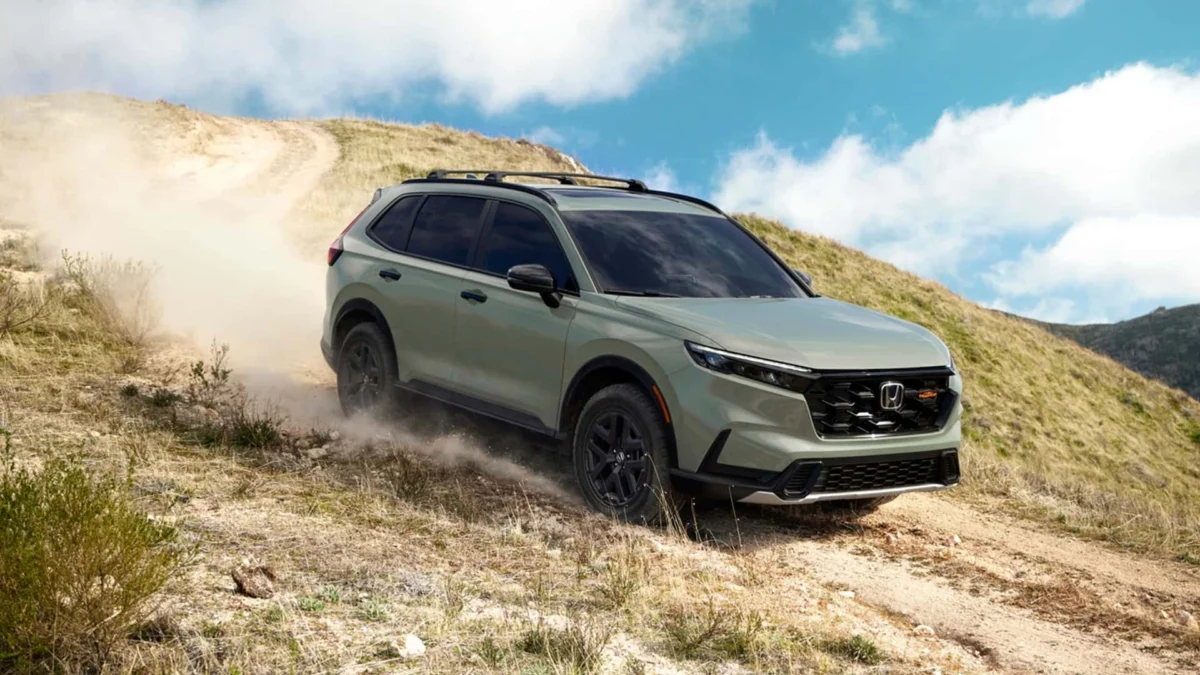
The landscape of the American automotive industry is undergoing a structural transformation as major manufacturers pivot away from pure internal combustion engines in their most popular segments. Honda’s recent announcement that its best-selling CR-V crossover will move to an exclusively hybrid powertrain starting with the redesigned 2028 model marks a significant milestone in this transition. This strategic shift reflects a broader industry trend where electrification is no longer an experimental niche but a standard requirement for maintaining market dominance in the high-volume SUV category.
A New Era for the Honda CR-V
Beginning with the seventh generation of the vehicle, slated for a 2028 model-year release, Honda will discontinue all non-hybrid powertrain options for the CR-V. The new iteration will be powered by an advanced two-motor hybrid system designed to maximize both fuel efficiency and operational range. This update represents a major departure from the current production cycle, where the CR-V is offered with a mix of traditional gasoline-only engines and hybrid configurations.
Luis Guerra, assistant vice president of Honda National Auto Sales, framed the decision as a response to evolving consumer preferences. "With a 100% hybrid powertrain, the next-generation Honda CR-V will further expand the appeal of America’s most popular SUV as demand for hybrid-electric vehicles reaches record levels," Guerra stated. By standardizing the hybrid powertrain, Honda aims to capitalize on the increasing consumer appetite for vehicles that offer better fuel economy without the infrastructure dependencies associated with full battery-electric vehicles (BEVs).
The Competitive Context: Toyota’s Precedent
Honda’s decision to move the CR-V to a hybrid-only platform follows a path carved by its primary rival, Toyota. Toyota made a similar strategic pivot with the RAV4, the perennial competitor to the CR-V, shifting to a hybrid-only lineup beginning with the 2026 model year. This move was preceded by the electrification of the Toyota Camry, which similarly dropped its traditional gasoline-only options to become a hybrid-only sedan.
The alignment of these two automotive giants is not coincidental. The RAV4, the CR-V, and the Tesla Model Y collectively accounted for approximately 1.2 million units in U.S. sales during 2025. When the two best-selling traditional automakers in the United States decide to force a transition to hybrid power in their highest-volume nameplates, the ripple effects are felt throughout the entire supply chain and consumer market. This effectively signals the beginning of the end for the pure gasoline-powered mass-market compact SUV.
Market Data and The Rise of Hybrids
The push toward hybridization is backed by robust market data. In the third quarter of the current fiscal year, hybrid-electric vehicles (HEVs) captured 16% of the U.S. light-duty vehicle market. This represents a significant increase compared to historical figures and suggests that the transition is accelerating. Analysts point to several contributing factors: a growing public awareness of carbon emissions, the volatility of gasoline prices, and a wider variety of available models that cater to diverse consumer needs.
Financial analysts often emphasize that the economic case for hybrids has reached a tipping point. According to data from Consumer Reports, while a hybrid model may command an average price premium of approximately $1,700 over a comparable gasoline-only vehicle, the long-term fuel savings allow the vehicle to pay for that premium within four years of ownership. As vehicle lifespans increase and fuel costs remain a concern for the average household, the "no-brainer" argument for hybrid ownership has become a primary driver of showroom activity.
Industry-Wide Implications
The move by Honda and Toyota is creating a chain reaction among other major automakers looking to capture market share in the SUV segment. Nissan, for instance, is currently rolling out the 2027 Rogue Hybrid, which features a unique serial-hybrid architecture designed to mimic the driving dynamics of an electric vehicle. Meanwhile, General Motors has signaled an aggressive expansion of its hybrid offerings, with reports indicating that popular three-row SUVs like the Chevrolet Traverse and GMC Acadia will soon incorporate hybrid powertrains to meet both emissions regulations and consumer demand.
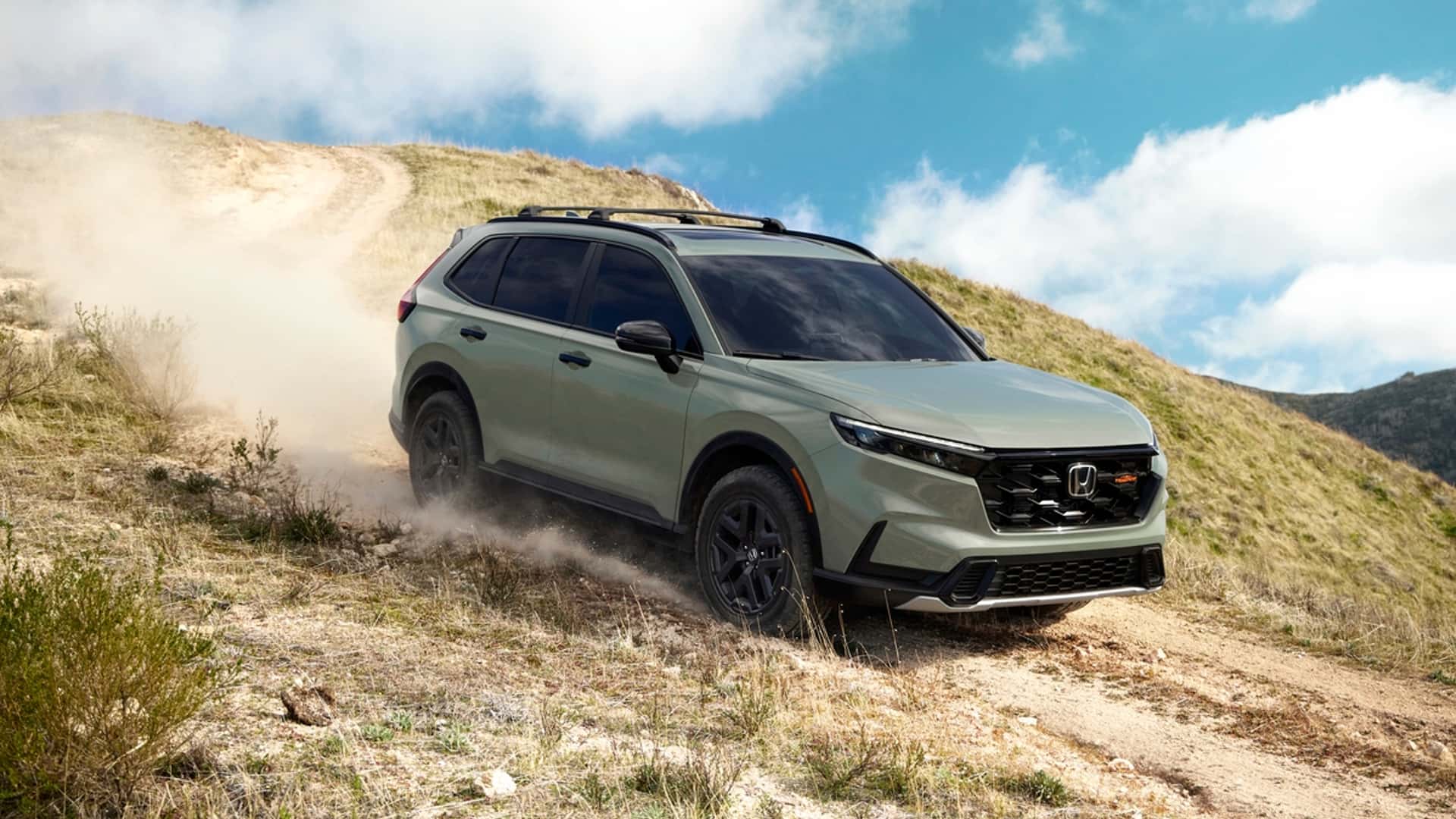
This shift does not necessarily mean that manufacturers are abandoning their long-term electric vehicle (EV) ambitions. However, it indicates a recalibration of their near-term strategies. By focusing on hybrids, automakers can lower their fleet-wide emissions profile and meet stringent government fuel economy standards while providing customers with a bridge technology that requires no change in driving or refueling habits.
Limitations of the Current Strategy
While the adoption of hybrid technology is a step toward improved environmental outcomes, industry experts caution that it remains a transitional solution. Full battery-electric vehicles still maintain the lowest operational cost per mile and offer the greatest reduction in tailpipe emissions, provided they are charged using renewable energy sources. Furthermore, the driving experience of a BEV—characterized by instant torque, quiet operation, and lower maintenance requirements—remains a distinct selling point that hybrids cannot fully replicate.
Honda’s decision to prioritize hybrids while pausing some of its more ambitious near-term EV initiatives suggests a conservative approach to the current market climate. For consumers who are eager to move entirely away from gasoline, this creates a temporary impasse. While the CR-V will undoubtedly be a more efficient vehicle, it will still require regular trips to the gas station, a reality that differentiates it from the pure EV experience.
Timeline of the Transition
The industry’s move to electrification can be mapped through a series of tactical decisions made over the last decade:
- 2020–2022: Automakers begin introducing hybrid trims as "up-sell" options for popular models.
- 2023–2024: Regulatory pressure increases alongside consumer demand, leading to higher hybrid production targets.
- 2025: Toyota sets the industry standard by shifting the RAV4 and Camry to hybrid-only platforms.
- 2026–2027: Nissan and other competitors introduce advanced proprietary hybrid systems.
- 2028: Honda shifts the CR-V to an exclusively hybrid lineup, cementing the trend for the top-selling SUV segment.
Broader Economic and Environmental Impacts
The cumulative impact of these shifts is substantial. By moving the highest-volume vehicles to hybrid platforms, manufacturers are effectively lowering the average carbon footprint of the millions of vehicles sold in the U.S. annually. This is a pragmatic, if incremental, approach to climate goals.
From an economic perspective, the shift is also expected to stabilize the secondary market for used vehicles. As hybrids become the baseline, their resale values are expected to stabilize, as the perceived "risk" of purchasing older hybrid battery technology is mitigated by the increasing ubiquity of the systems and the growing expertise of independent repair shops.
Conclusion: The New Baseline
The transition of the Honda CR-V to an all-hybrid lineup is more than just a product update; it is a definitive statement on the state of the American automotive industry. The era of the pure gasoline-powered family SUV is reaching its conclusion, replaced by a new baseline of electrification. While the industry continues to navigate the complexities of full EV adoption, the hybrid model has emerged as the clear winner in the current retail market.
For the average consumer, this means that the vehicles of the future will be more efficient, potentially more expensive at the point of sale, and technologically more complex. For automakers, the challenge remains to manage the costs of this transition while ensuring that their flagship products remain accessible and appealing to a broad demographic. As the 2028 model year approaches, the industry will be watching closely to see if Honda’s bet on the hybrid-only CR-V pays off as well as it has for their competitors. The roadmap for the next decade is now clear: the internal combustion engine is not yet dead, but it is certainly being relegated to a supporting role.