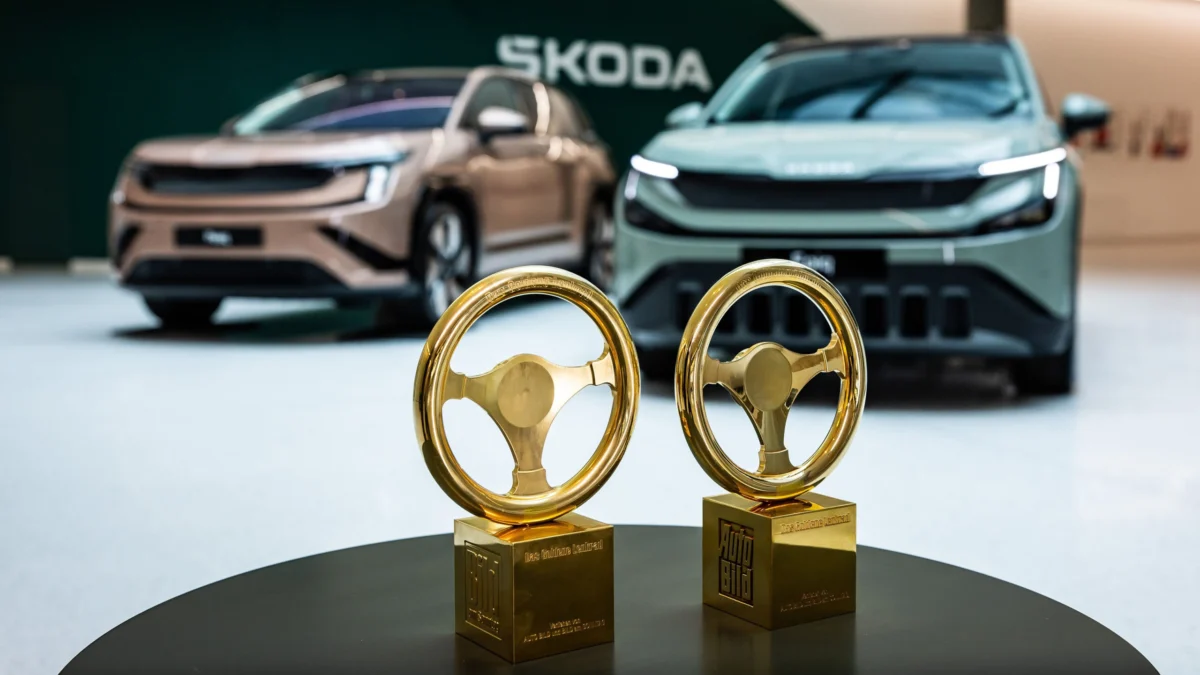
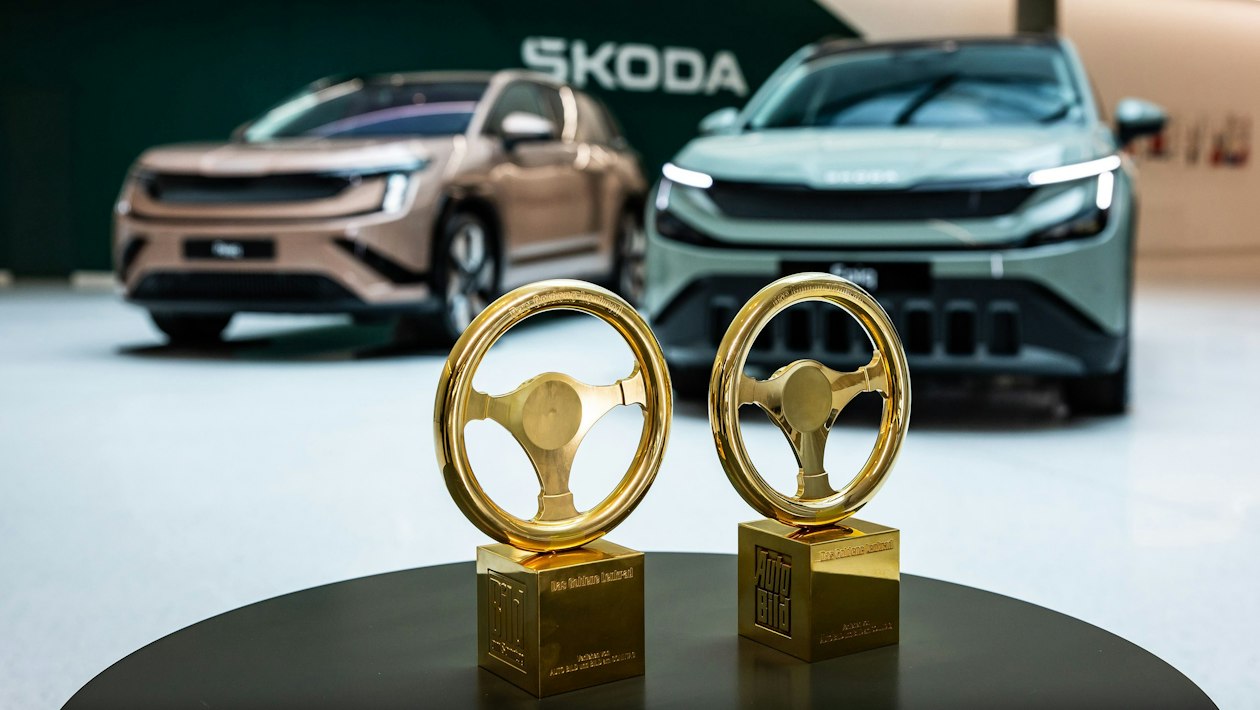
The automotive industry has reached a significant milestone this month as the Golden Steering Wheel Awards—the "Goldenes Lenkrad"—celebrate their 50th anniversary. Established in 1976 by the German automotive publication Auto Bild, this prestigious accolade has evolved from a national recognition into one of Europe’s most influential benchmarks for vehicle excellence. As the 2026 winners are unveiled, the results offer a definitive snapshot of an industry currently navigating the complex transition toward full electrification while balancing the enduring appeal of combustion-engine performance.
A Half-Century of Automotive Excellence
Since its inception five decades ago, the Golden Steering Wheel has served as a barometer for technological advancement and consumer preference. The awards were founded during a period when the European automotive market was undergoing massive structural shifts, and they have maintained relevance by adapting their criteria to reflect the evolving priorities of the modern driver. In 2026, the selection process remains as rigorous as ever, beginning with a massive reader poll that narrows a field of 79 initial candidates down to a refined shortlist.
The final evaluation process is split between public sentiment and expert scrutiny. The three highest-voted vehicles in each of the nine categories advance to a final testing phase at the Lausitzring circuit in Germany. Here, a 23-member jury—comprised of professional racing drivers, leading automotive journalists, and industry specialists—subjects the finalists to a 19-point testing regime. This protocol evaluates everything from high-speed handling dynamics and braking performance to ergonomics, software integration, and daily usability. By the time the trophies are awarded, the winners represent the consensus of both the driving public and the most demanding critics in the business.

2026 Category Winners and Industry Standouts
The 2026 awards ceremony has highlighted a dominant performance by Skoda and a triumphant return for iconic nameplates within the BMW portfolio. The following vehicles secured top honors in their respective segments:
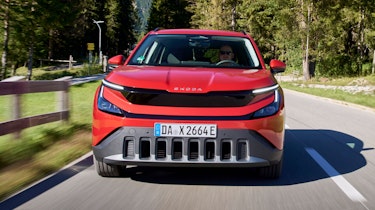
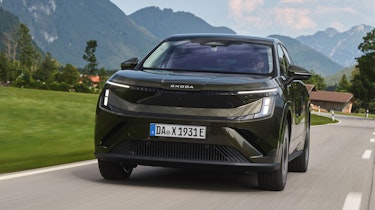
Small SUV: Skoda Epiq
The Skoda Epiq has emerged as a clear favorite in the fiercely competitive small SUV market. Its victory underscores the Czech manufacturer’s successful pivot to the electric vehicle (EV) segment. The Epiq impressed the jury with its blend of high-utility packaging, accessible pricing, and a design language that resonates with urban families. With a 4.5-star rating from industry reviewers, the vehicle is being lauded for maintaining Skoda’s core philosophy of "Simply Clever" features while utilizing a cutting-edge, efficient electric powertrain.
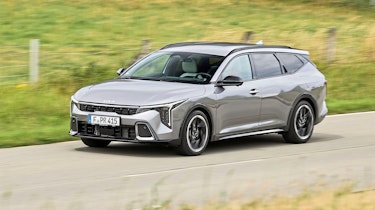
Compact Class: Kia K4 Sportwagon
In a move that surprised many industry observers, the Kia K4 Sportwagon claimed the award for the compact class. At a time when manufacturers are racing to abandon traditional body styles in favor of crossover configurations, Kia’s commitment to the estate segment has paid dividends. The K4 Sportwagon provides a compelling argument for the internal combustion engine’s continued relevance, offering superior cargo capacity and driving dynamics that many modern EVs struggle to match at this price point. The win serves as a reminder that value and practicality remain paramount for the average European consumer.
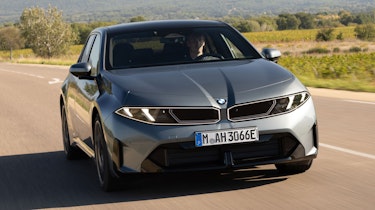
Mid-range Excellence: BMW i3
The revival of the i3 badge in 2026 has been met with universal acclaim, earning the model a coveted Golden Steering Wheel. Departing from the quirky, niche design of the original i3, the 2026 iteration acts as a cornerstone for BMW’s "Neue Klasse" electrification strategy. Featuring a range of up to 566 miles and driving dynamics that critics claim rival the legendary 3 Series, the i3 has set a new benchmark for premium electric sedans. Achieving a rare five-star rating during testing, the vehicle represents a significant leap forward in battery density and software-defined vehicle architecture.
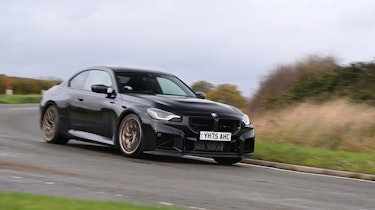
Sports Car: BMW M2 CS
Representing the pinnacle of combustion-engine engineering, the BMW M2 CS secured the award in the sports car category. While the automotive industry pivots toward electrification, the M2 CS remains a celebration of mechanical purity. The jury cited its high-revving six-cylinder engine and refined chassis as the deciding factors. The award serves as a testament to the enduring market demand for driver-focused coupes, even in an era increasingly dominated by software-managed EVs.
Family Car: Skoda Peaq
Skoda’s second victory of the night came via the Peaq, a vehicle designed to maximize the potential of the EV platform. By prioritizing cabin volume and modular storage, the Peaq has redefined expectations for family-oriented electric transport. It offers a solution to the "range anxiety" often associated with larger EVs, pairing a long-distance capability with a spacious interior that caters to the needs of modern, multi-generational families.
The Evolution of Selection Criteria
The 2026 criteria reflect a significant shift from the judging rubrics used as recently as five years ago. Historically, the Golden Steering Wheel focused heavily on mechanical output, engine efficiency, and build quality. Today, the 19-point test now heavily weights software stability, human-machine interface (HMI) design, and carbon footprint lifecycle analysis.
This shift has profound implications for manufacturers. It is no longer enough to produce a vehicle that is fast or well-built; it must now be "digitally intelligent." The success of the BMW i3 and the Skoda Peaq, both of which excel in their onboard digital ecosystems, highlights that the winning formula for 2026 is a seamless integration of traditional chassis engineering and next-generation connectivity.
Official Responses and Market Impact
While official statements from the manufacturers remain focused on collective team effort, the impact of these awards is expected to be immediate. Historically, winners of the Golden Steering Wheel see a statistically significant uptick in showroom traffic and search volume in the months following the announcement.
"The Golden Steering Wheel is not just an award; it is a validation of the direction we have taken," a spokesperson for the winning manufacturers noted during the event. Analysts suggest that for companies like Skoda, which are aggressively expanding their EV portfolio, the awards provide a vital "seal of approval" that helps convert hesitant traditional buyers into EV adopters.
Broader Industry Implications
The 2026 awards also underscore a growing divide in the automotive market. On one side, companies like BMW are demonstrating that electrification can enhance the "Ultimate Driving Machine" ethos rather than dilute it. On the other, companies like Kia are proving that there is still significant market space for high-value, conventionally powered vehicles that serve as a bridge for consumers not yet ready to transition to full electric mobility.
The performance of the Chinese manufacturers, while not resulting in a top-tier win this year, remains a key point of discussion among the jury. The presence of these brands on the shortlist—and their increasing technical sophistication—suggests that the 51st and 52nd iterations of these awards will likely see even stiffer competition from non-European marques.
Looking Toward the Future
As the Golden Steering Wheel enters its next half-century, the landscape it monitors is changing faster than ever. The transition from internal combustion to electric motors is nearly complete in many segments, and the next challenge for the industry—and for future award juries—will be the integration of autonomous driving features and the circular economy in vehicle production.
For now, the 2026 winners stand as the vanguard of their respective classes. They represent the current pinnacle of engineering, design, and usability. For consumers, the message from this year’s awards is clear: the technology is no longer a promise for the future—it is here, it is reliable, and it is ready to drive. As the industry prepares for the next decade of mobility, the Golden Steering Wheel will continue to be the standard against which all other vehicles are measured, ensuring that the legacy of innovation started in 1976 continues well into the future.