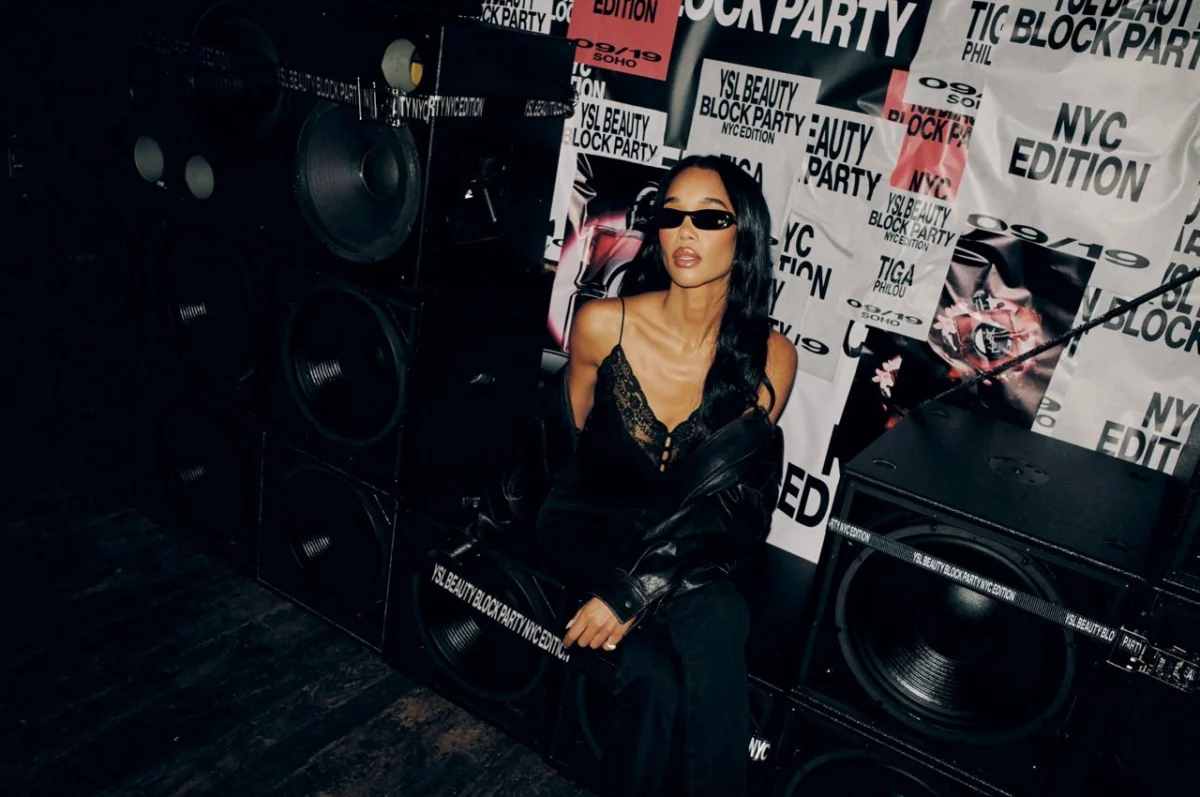
The YSL Beauty Block Party recently transformed a segment of New York City into a vibrant intersection of high fashion, prestige cosmetics, and celebrity culture. As the brand continues to solidify its footprint in the North American market, this high-profile activation served as a strategic showcase for its latest beauty collections, drawing a curated guest list that spanned the worlds of professional sports, music, modeling, and cinema. The event, held in the heart of Manhattan, functioned as both a consumer-facing marketing initiative and a high-level networking opportunity for influencers and industry leaders.

Event Background and Strategic Significance
YSL Beauty, a subsidiary of the L’Oréal Luxe division, has increasingly pivoted toward "experiential marketing" to capture the attention of Gen Z and Millennial demographics. By hosting block parties in major metropolitan hubs like New York City, the brand shifts away from traditional retail advertising, opting instead for immersive environments that encourage organic social media sharing.
The NYC edition was designed to mirror the energy of the city while maintaining the brand’s heritage of Parisian luxury. These events are essential to the brand’s broader strategy of maintaining visibility in a highly saturated beauty market. Industry data suggests that experiential activations of this nature contribute significantly to brand sentiment; according to recent luxury market analyses, prestige beauty brands that engage in public-facing, high-energy events report a 15% increase in social media engagement compared to brands that rely solely on digital campaigns.

A Chronology of the Evening
The evening began with a red-carpet arrival that set the tone for the night. Among the first to arrive were NBA star Karl-Anthony Towns and social media personality Jordyn Woods, whose presence drew significant media attention. Their appearance highlighted the brand’s successful bridge between the worlds of athletic celebrity and fashion-forward lifestyle branding.
Following the initial arrivals, the atmosphere shifted as musical icon Lauryn Hill took center stage. Her involvement brought an element of prestige and artistic credibility to the event, aligning YSL Beauty with cultural legacy. Throughout the night, attendees moved through various installations that showcased the brand’s signature fragrances and cosmetics, including the widely popular Libre perfume and the Touche Éclat range.

As the night progressed, the guest list continued to reflect the diversity of the brand’s target audience. Model Amelia Gray, a rising force in the fashion industry, was spotted engaging with the event’s interactive elements. Shortly thereafter, actress Emmy Rossum and producer Mark Ronson were seen, reflecting the brand’s deep ties to the film and music industries. The final prominent guest to be documented was Francesca Scorsese, representing the next generation of creative talent that YSL Beauty seeks to cultivate as brand ambassadors.
Supporting Data and Market Impact
The success of the YSL Beauty Block Party can be measured through both physical attendance and digital reach. While the specific number of attendees is kept private, the "earned media value" (EMV) generated by such events is substantial. In the digital age, the "Block Party" model serves as a content factory for the brand. Guests, who are often influencers or celebrities with high follower counts, provide the brand with millions of impressions on platforms such as Instagram and TikTok.

Market research indicates that the prestige beauty industry in the United States reached a valuation of approximately $29 billion in the last fiscal year. Within this landscape, YSL Beauty remains a top-tier contender. The NYC event is a direct response to a 2023 consumer trend report, which found that 72% of beauty consumers prefer to buy from brands that offer "meaningful" experiences rather than just products. By turning a city block into a branded environment, YSL Beauty effectively gamifies the shopping experience.
Official Stances and Industry Perspectives
While YSL Beauty rarely comments on the specific logistics of its private events, the company has historically framed these gatherings as "celebrations of self-expression." In past communications, brand representatives have noted that the goal of these activations is to foster a sense of community around the product line.

From an industry perspective, the move is seen as a tactical necessity. "Beauty brands are no longer just selling a formula in a bottle," says retail analyst Marcus Thorne. "They are selling an identity. When you see someone like Mark Ronson or Lauryn Hill at a YSL event, you are seeing a deliberate alignment of brand identity with cultural icons. It is about creating a halo effect around the product."
Broader Implications for Luxury Branding
The implications of the YSL Beauty Block Party extend beyond the immediate promotional benefits. It marks a transition in how luxury houses interact with the public. Historically, luxury brands were characterized by exclusivity and distance. The "Block Party" model, conversely, is built on the appearance of accessibility—even if the guest list is highly vetted.

This "accessible luxury" approach is intended to lower the barrier to entry for younger consumers. By hosting events that feel like parties rather than galas, the brand creates a more approachable image while retaining its premium pricing and prestige status. Furthermore, the selection of NYC as the venue is critical. As the global epicenter of finance, fashion, and media, New York serves as the ultimate proving ground for luxury brands. A successful event in Manhattan often dictates the brand’s reception in other secondary markets across the country.
Future Outlook
As YSL Beauty looks toward the future, the success of the NYC Block Party suggests that the brand will likely continue to invest in similar activations. With competition from both established heritage houses and new, independent clean-beauty brands, the ability to command attention in a physical space remains a key differentiator.

The integration of celebrities like Karl-Anthony Towns, Jordyn Woods, and Amelia Gray is not merely about star power; it is about reaching diverse demographics simultaneously. By bridging the gap between the NBA, high fashion, and music, the brand ensures it remains relevant across multiple subcultures.
In conclusion, the YSL Beauty Block Party was a masterclass in modern brand positioning. By blending the raw energy of a New York street event with the polished aesthetic of a high-end luxury house, YSL has managed to keep its products at the center of the cultural conversation. As the brand moves into the next quarter, the momentum generated by this event is expected to be reflected in their upcoming retail performance metrics, further cementing their status as a leader in the global beauty sector. The event serves as a clear indicator that for the modern luxury consumer, the experience is just as valuable as the product itself.